Techsoma Africa
Latest Startups FinTech AI Tech Global Apps Opinions African
Policy & Regulations Artificial Intelligence Reports About Contact Advertise African Startup Ecosystem FinTech & Digital Money Artificial Intelligence Technology Global News Apps, Gadgets, Tools & Softwares Opinions & Perspectives African Telecommunications
Techsoma Africa
No Result
View All Result
Techsoma Africa
No Result
View All Result
Techsoma Africa
No Result
View All Result
Home African Telecommunications

Why Is Mobile Data So Expensive in Nigeria Right Now?

by Onyinye Moyosore
August 4, 2026
in African Telecommunications
Reading Time: 4 mins read
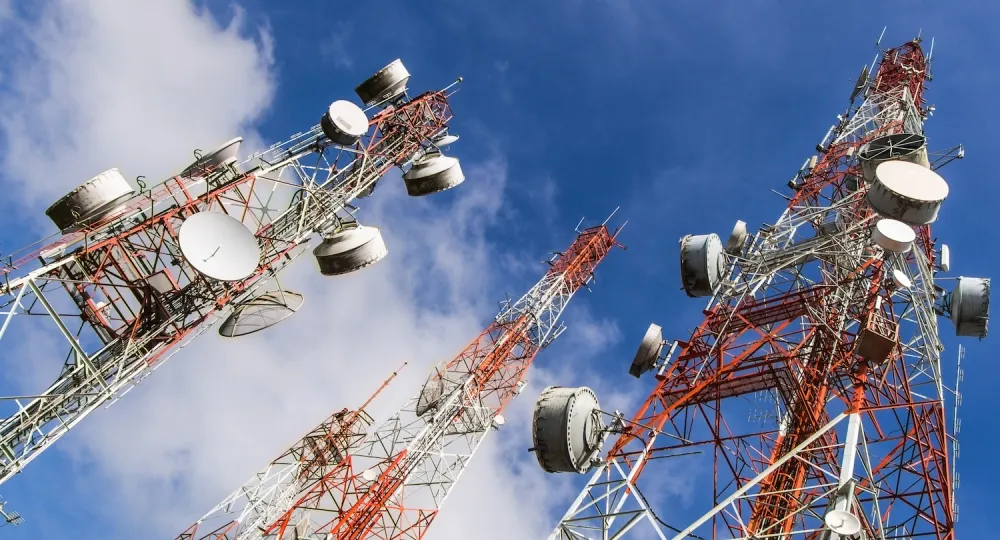
A telecom tower powered by a diesel generator, a major hidden driver of Nigeria's data costs

Nigerians complain about two things when it comes to mobile data almost in the same breath: it costs too much, and somehow it still finishes too fast. Both complaints are valid, and both have real, traceable causes.

The Tariff Hike That Started It

The most direct cause of today’s higher data prices is a formal decision. The Nigerian Communications Commission approved a tariff adjustment that allowed telecom operators to raise data and call prices after telecom tariffs had stayed largely unchanged since 2013. That’s the key context most complaints leave out. Prices weren’t raised because the industry suddenly got greedy. They were raised because they hadn’t moved in over a decade while literally every input cost around them kept climbing.

Why Operators Say They Had No Choice

Every major operator has pointed to the same three culprits: inflation, a weaker naira, and rising fuel costs. MTN Nigeria’s CEO Karl Toriola has been particularly blunt about it, revealing that the company was technically insolvent, in negative equity, before the tariff increase took effect, and that raising prices was necessary just for the industry to survive rather than to boost profit margins.

The exchange rate piece is genuinely significant. The naira shifted from roughly ₦424 to the dollar to about ₦1,550 over a fairly short stretch, and telecom base stations, the physical towers and equipment that carry your signal, are imported and priced in dollars. That single currency shift alone made critical infrastructure cost close to four times more than it did just two years earlier, a cost that eventually has to be recovered somewhere in what customers pay.

The Generator Problem Nobody Talks About

Here’s the detail that explains why data doesn’t just cost more, it also runs out faster than it should. Nigeria’s telecom infrastructure runs heavily on diesel-powered generators because grid electricity supply remains unreliable in large parts of the country. Every phone tower needs constant, 24-hour power to keep signal running, and when the national grid can’t guarantee that, operators burn diesel to fill the gap.

Diesel prices have climbed sharply too, industry estimates put annual telecom diesel spending well above ₦400 billion. That’s an operating cost baked directly into what you pay for data, one that has nothing to do with how much content you’re actually streaming and everything to do with keeping the tower powered on in the first place.

Is It Actually Getting Cheaper?

Not really, not yet, though the picture is more nuanced than a straight “no.” Operators have made commitments in exchange for the tariff increases they were granted. The NCC has stated telecom companies agreed to deploy over 12,000 additional coverage and capacity sites to improve network quality using the retained earnings from higher tariffs, with roughly 5,000 of those sites completed as of mid-2026. The theory is that better infrastructure eventually means fewer dropped connections and more reliable service for the same money, even if the headline price per gigabyte doesn’t fall.

But customer complaints about poor network quality and dropped connections have continued well into 2026 despite the tariff hikes already being in effect, which has forced the NCC to push operators toward compensating subscribers for genuinely bad service. That gap, between what customers were promised in exchange for higher prices and what they’re actually experiencing, remains a real point of tension.

What Actually Determines Your Data Cost

A few practical realities are worth understanding if you want to get more out of every naira you spend on data. Video streaming and background app updates consume dramatically more data than they did a few years ago, as apps and content have gotten richer and heavier, which partly explains why bundles disappear faster even at the same price. Comparing plans across networks, and specifically checking Fair Usage Policy limits before buying a bundle, remains one of the few levers you genuinely control, since a plan marketed as “unlimited” often still throttles your speed dramatically after a hidden data ceiling.

Until Nigeria’s power grid becomes more reliable and the naira stabilises meaningfully, the underlying cost pressures driving data prices upward aren’t going away on their own. The tariff increase wasn’t a one-time correction that resets the clock. It was operators catching up to a decade of costs they’d absorbed without raising prices, and the same inflationary and currency pressures that forced that catch-up haven’t disappeared just because the price adjustment already happened.

Related Techsoma coverage

  • Starlink vs MTN FibreX vs Spectranet: Which Is Worth It?
  • NCC Signs Deal With REA to Cut Telecom Diesel Costs
  • Ethio Telecom Backs Ethiopia’s Largest AI Hackathon at Adwa Museum
Onyinye Moyosore

Onyinye Moyosore

Onyinye Moyosore is a tech writer at Techsoma, where she covers startups, digital infrastructure, and how technology reshapes everyday life...

Recommended For You

Internet connectivity icons representing Starlink, MTN FibreX, and Spectranet, Nigeria's main broadband choices
African Telecommunications

Starlink vs MTN FibreX vs Spectranet: Which Is Worth It?

by Onyinye Moyosore
July 30, 2026

Everyone has strong opinions about internet providers in Nigeria, and almost none of them account for the one detail that actually matters: does fibre even reach your street? Here's a...

Read moreDetails
NCC approves data calculators

NCC Signs Deal With REA to Cut Telecom Diesel Costs

July 27, 2026
Picture of the Cursor AI Hackathon in Ethiopia

Ethio Telecom Backs Ethiopia’s Largest AI Hackathon at Adwa Museum

July 27, 2026

Starlink Launches in Côte d’Ivoire, No Ownership Fight

July 22, 2026

Kenyan Banks Undercut M-Pesa With Nearly Free Transfers

July 22, 2026
Next Post
The WhatsApp app on a smartphone, showing the two-step verification setting that prevents most account hacks

How to Protect Your WhatsApp From Being Hacked

Please login to join discussion

Browse by Category

  • African Startup Ecosystem
  • African Telecommunications
  • Apps, Gadgets, Tools & Softwares
  • Artificial Intelligence
  • Business & Markets
  • Creator Economy
  • Cybersecurity
  • Digital Work-Life Series
  • E-Commerce
  • Event Radar Africa
  • Exclusive Interviews
  • Explainers
  • Features/Spotlights
  • FinTech & Digital Money
  • Funding news
  • GenZ Desk!
  • Global News
  • Logistics & Mobility Tech
  • Media & Entertainment
  • News
  • Opinions & Perspectives
  • Opportunities, Careers & Learning
  • Partner
  • Policy & Regulations
  • Reports
  • Reviews
  • Tech Insights for Creators
  • Technology
  • Thought Leadership
  • Uncategorized
  • About Us
  • Advertise on Techsoma
  • Contact
  • Corrections Policy
  • Editorial Standards
  • Ownership and Funding
  • Privacy Policy
  • Publish Your Articles
  • Techsoma Africa
  • Terms of Service

Copyright 2026 Techsoma Africa. All rights reserved.

Welcome Back!

Login to your account below

Forgotten Password?

Retrieve your password

Please enter your username or email address to reset your password.

Log In
Techsoma Africa

© 2026 Techsoma Africa Media.

Company

Policy AI Reports About Contact Advertise

Legal

Terms Privacy RSS

Latest

How to Protect Your WhatsApp From Being Hacked WhatsApp hacking in Nigeria almost never involves any real technical wizardry. It involves someone talking a person into... Why Is Mobile Data So Expensive in Nigeria Right Now? Nigerians complain about two things with mobile data almost in the same breath: it costs too much, and it finishes too fast. Both complaints are valid. Here's the real explanation, tracing back to a decade-old tariff freeze, a weakening naira, and a diesel generator problem most people never think about. Is the POS Agent Business Still Worth Starting in 2026? Step outside almost anywhere in urban Nigeria and you'll find a POS agent within twenty meters. Here's how the business actually works, what it really costs to start, and an honest answer on whether there's still room for one more, now that Nigeria has over 2 million agents and banking apps keep improving.
Techsoma Network Techsoma Network Techsoma Africa Techsoma Middle East Techsoma Canada
Transparency About Editorial Standards Corrections Ownership & Funding Privacy Terms Contact
No Result
View All Result
  • About Us
  • Advertise on Techsoma
  • Contact
  • Corrections Policy
  • Editorial Standards
  • Ownership and Funding
  • Privacy Policy
  • Publish Your Articles
  • Techsoma Africa
  • Terms of Service

Copyright 2026 Techsoma Africa. All rights reserved.