
Techsoma Africa
Latest FinTech Startups AI Tech Global Apps African Opinions
Policy & Regulations Artificial Intelligence Reports About Contact Advertise FinTech & Digital Money African Startup Ecosystem Artificial Intelligence Technology Global News Apps, Gadgets, Tools & Softwares African Telecommunications Opinions & Perspectives
Advertisement Advertise on Techsoma
Techsoma Africa
No Result
View All Result
Techsoma Africa
No Result
View All Result
Techsoma Africa
No Result
View All Result
Home African Telecommunications

Airtel Shuts Down Unit in Kenya, After Making Zero Revenue in Two Years

by Onyinye Moyosore
September 17, 2026
in African Telecommunications, Business & Markets
Reading Time: 3 mins read
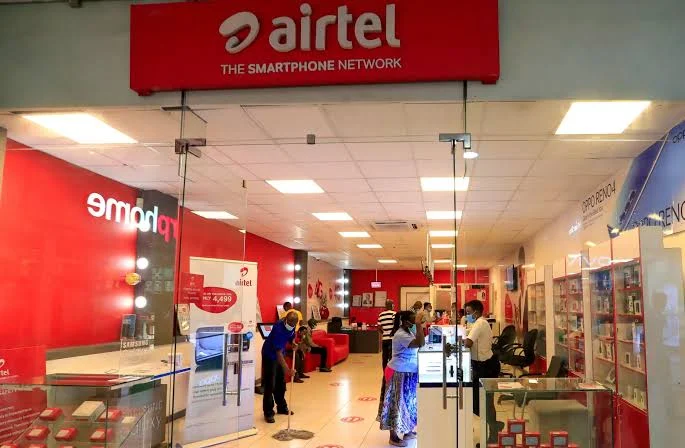
Airtel branding on a storefront in Kenya, where the operator is winding up its wholesale fibre subsidiary

Airtel Africa is winding up a Kenyan subsidiary that, by its own accounts, never sold anything to anyone.

Airtel Kenya Telesonic Limited, the wholesale fibre arm incorporated in July 2022, will be struck off the register by December 2026 after the company asked the Registrar of Companies to deregister it. The regulator has approved the closure.

The financial statements are the story. Telesonic recorded no revenue in either 2024 or 2025, with its net loss widening to KES 16.1 million last year from KES 2.9 million the year before. Its very first accounts, covering the eighteen months from incorporation to the end of 2023, show revenue of nil and a single expense line of KES 66,667 in licence fees.

What Telesonic Was Supposed to Do

Telesonic is Airtel Africa’s wholesale arm, set up across the group in early 2024 to sell capacity on the roughly 75,000km of terrestrial fibre the operator had at the time.

Advertisement Advertise on Techsoma

Wholesale is a different business from the fibre most people think of. Nobody runs a cable into your living room. Instead you sell bandwidth to other businesses, internet service providers, banks, rival mobile operators, data centres, acting as a carrier of carriers. Different licence, different customers, different economics entirely from consumer home internet.

The ambition behind it was a unified pan-African terrestrial fibre backbone across Airtel’s core markets, selling high-capacity connectivity and cross-border transport to governments, corporates and global hyperscalers.

Why It Failed in Kenya Specifically

Kenya’s wholesale fibre market was already taken.

By the time Telesonic’s licence went live, Safaricom, Liquid Intelligent Technologies, Seacom and MTN’s Bayobab all had routes in the ground and carrier contracts signed. A late entrant selling the same capacity into the same customer base has to win business on price or route diversity, and neither is easy when the incumbents have amortised infrastructure and existing relationships.

Without scale, the fixed costs of running fibre infrastructure don’t get covered, and without revenue there’s nothing to cover them with. The result was a company that existed on paper, held a licence, and never opened for business in any meaningful sense.

The Paper Trail

The wind-down was procedural rather than dramatic.

During 2025, Telesonic filed notice to surrender its Network Facilities Provider Tier 2 licence, the permit required to build and own transmission infrastructure in Kenya. On 21 January 2026 the Communications Authority asked for the original licence booklet back for cancellation by 30 January. The company returned it on 6 February, and the board passed a resolution approving the voluntary wind-down the same day. Gazettement and the remaining termination steps are still pending.

Deloitte & Touche reviewed the final accounts and issued an unqualified opinion, with an emphasis of matter noting the statements were prepared on a liquidation basis rather than as a going concern. In accounting terms, that means the company is no longer assumed to have a future.

What This Doesn’t Affect

Airtel’s consumer and enterprise fibre operations in Kenya continue as normal. If you buy internet from Airtel, nothing changes.

The Telesonic exit also appears specific to Kenya. Airtel’s wholesale operations continue in markets including Nigeria, Tanzania, Zambia and Rwanda, where the competitive position is different.

The Useful Lesson

There’s something instructive in a company this size writing off a venture that never produced a shilling of revenue, and it isn’t really about Airtel.

Infrastructure markets consolidate early. Fibre routes get laid once, contracts get signed for years, and the value accrues to whoever is in the ground first. A well-capitalised late entrant with a credible parent company and a sensible strategy still couldn’t find a way in, because there was nothing left to sell that somebody wasn’t already selling more cheaply.

For anyone looking at African infrastructure as an investment story, that’s the part worth remembering. Timing isn’t a detail in this business. It’s most of the business

Related Techsoma coverage

  • Twiga Foods Enters Administration After Raising $185 Million
  • Do You Need an eSim?
  • What Is a Data Centre, and Why Is Africa Building So Many?
Onyinye Moyosore

Onyinye Moyosore

Onyinye Moyosore is a tech writer at Techsoma, where she covers startups, digital infrastructure, and how technology reshapes everyday life...

Recommended For You

Fresh produce at a Kenyan market, the supply chain Twiga Foods spent a decade trying to rebuild
African Startup Ecosystem

Twiga Foods Enters Administration After Raising $185 Million

by Onyinye Moyosore
September 17, 2026

Kenya's best-funded agritech startup has entered statutory administration. GT Flow Limited, formerly Twiga Foods One, went in on 17 August, with creditors given until 11 October to file claims. Twiga...

Read moreDetails
Banner showing how to add an esim to iphone

Do You Need an eSim?

September 15, 2026
A Data Centre in Lagos Nigeria

What Is a Data Centre, and Why Is Africa Building So Many?

September 15, 2026

Lebara Officially Launches Mobile Services In Nigeria

September 15, 2026

I Used MTN’s ODU for a Month. Here’s the Honest Verdict.

September 14, 2026
Please login to join discussion

Browse by Category

  • African Startup Ecosystem
  • African Telecommunications
  • Apps, Gadgets, Tools & Softwares
  • Artificial Intelligence
  • Business & Markets
  • Consumer Tech
  • Creator Economy
  • Cybersecurity
  • Digital Work-Life Series
  • E-Commerce
  • Education
  • Event Radar Africa
  • Exclusive Interviews
  • Explainers
  • Features/Spotlights
  • FinTech & Digital Money
  • Funding news
  • GenZ Desk!
  • Global News
  • Healthtech
  • Logistics & Mobility Tech
  • Media & Entertainment
  • News
  • Opinions & Perspectives
  • Opportunities, Careers & Learning
  • Partner
  • Policy & Regulations
  • Reports
  • Reviews
  • Tech Insights for Creators
  • Technology
  • Thought Leadership
  • Uncategorized
  • About Us
  • Advertise on Techsoma
  • Contact
  • Corrections Policy
  • Editorial Standards
  • Ownership and Funding
  • Privacy Policy
  • Publish Your Articles
  • Techsoma Africa
  • Terms of Service

Copyright 2026 Techsoma Africa. All rights reserved.

Welcome Back!

Login to your account below

Forgotten Password?

Retrieve your password

Please enter your username or email address to reset your password.

Log In
Advertisement Advertise on Techsoma
Techsoma Africa

© 2026 Techsoma Africa Media.

Company

Policy AI Reports About Contact Advertise

Legal

Terms Privacy RSS

Latest

Airtel Shuts Down Unit in Kenya, After Making Zero Revenue in Two Years Airtel Kenya Telesonic, the wholesale fibre arm incorporated in 2022, is being wound up and struck off by December 2026. Its accounts show no revenue in either 2024 or 2025, and a first-period expense line of just KES 66,667 in licence fees. Kenya's wholesale fibre market had already been divided between Safaricom, Liquid, Seacom and Bayobab before Telesonic's licence went live. Apple Bundles Apple TV And Apple Arcade Into iCloud Plus For Nigerian Users Apple has folded Apple TV and Apple Arcade into iCloud+ for subscribers in Nigeria at no additional cost,... Twiga Foods Enters Administration After Raising $185 Million Kenya's best-funded agritech startup has entered statutory administration. GT Flow Limited, formerly Twiga Foods One, went in on 17 August, with creditors given until 11 October to file claims. Twiga raised roughly $185.4 million from Goldman Sachs, Creadev and the IFC. But the warning signs ran back three years, through a liquidation attempt, 283 job cuts, a founder's exit and a second winding-up petition.
Techsoma Network Techsoma Network Techsoma Africa Techsoma Middle East Techsoma Canada
Transparency About Editorial Standards Corrections Ownership & Funding Privacy Terms Contact
No Result
View All Result
  • About Us
  • Advertise on Techsoma
  • Contact
  • Corrections Policy
  • Editorial Standards
  • Ownership and Funding
  • Privacy Policy
  • Publish Your Articles
  • Techsoma Africa
  • Terms of Service

Copyright 2026 Techsoma Africa. All rights reserved.