Techsoma Africa
Latest FinTech Startups AI Tech Global Apps Opinions African
Policy & Regulations Artificial Intelligence Reports About Contact Advertise FinTech & Digital Money African Startup Ecosystem Artificial Intelligence Technology Global News Apps, Gadgets, Tools & Softwares Opinions & Perspectives African Telecommunications
Advertisement Advertise on Techsoma
Techsoma Africa
No Result
View All Result
Techsoma Africa
No Result
View All Result
Techsoma Africa
No Result
View All Result
Home African Telecommunications

What Is a Data Centre, and Why Is Africa Building So Many?

by Onyinye Moyosore
September 15, 2026
in African Telecommunications, Artificial Intelligence
Reading Time: 3 mins read
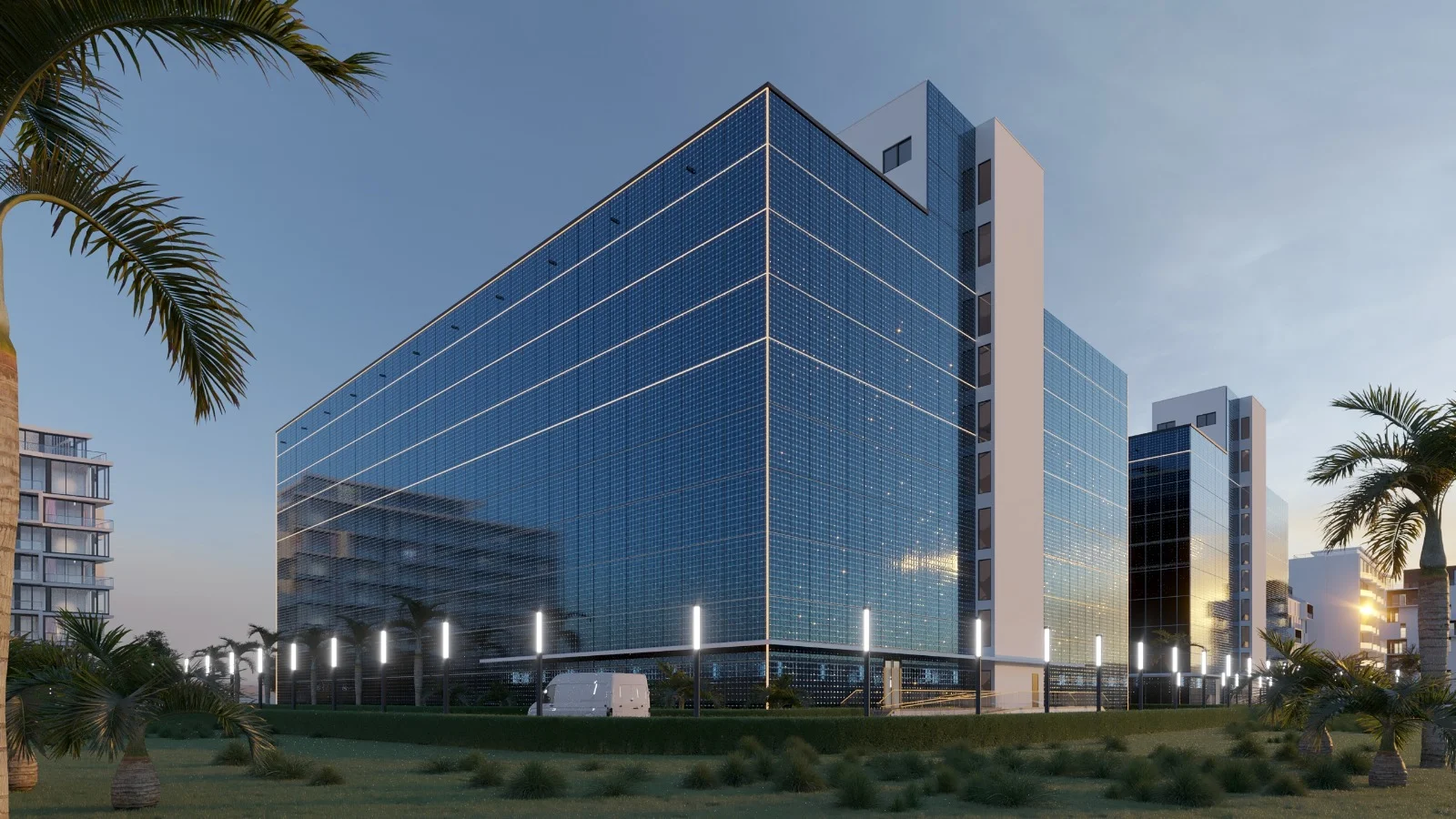
A Data Centre in Lagos Nigeria

Barely a week passes now without another African data centre announcement. Egypt signed a deal targeting roughly $1 billion in investment. Lagos has a new facility. Cameroon has one coming. Kenya’s regulator has decided they need their own licensing category.

For most people the phrase means nothing concrete, which makes it hard to care. So let’s fix that first.

What a Data Centre Actually Is

A building full of computers, kept cool and kept powered.

That’s genuinely it. Rows of servers in racks, running constantly, storing files and running software for people who aren’t in the building. When you upload a photo, send a WhatsApp message, stream a film, or check your bank balance, you’re talking to a computer in one of these buildings somewhere in the world.
Advertisement Advertise on Techsoma
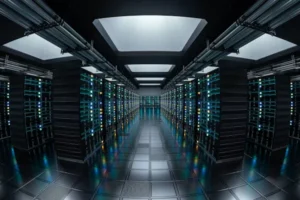
Rows of servers inside a data centre, the physical reality behind what most people call the cloud
Rows of servers inside a data centre

The “cloud” is the marketing word. The physical reality is a warehouse with very good air conditioning, very reliable electricity, and a fat connection to the internet.

Why Location Matters More Than You’d Think

If a server is just a computer, why does it matter where it sits? Two reasons, and they’re both practical.

Distance costs time. Data travels through physical cables, fast but not instant. If your banking app’s server is in Virginia, every tap sends a request across the Atlantic and waits for the answer to come back. That round trip is why some apps feel sluggish in Lagos and snappy in London. Move the server to Lagos and the delay largely disappears.

Distance costs control. Data sitting in another country sits under that country’s laws. A Nigerian bank storing customer records in Europe is subject to European rules on access and disclosure, and Nigerian regulators have limited reach over it. That’s the argument behind data sovereignty, and it’s why Nigeria’s central bank has ordered payment data to be held domestically.

Why the Building Boom Is Happening Now

Three things arrived at once.

Rules changed. Governments across the continent have tightened requirements on where citizen and financial data can live. If your data must stay in the country, somebody has to build somewhere for it to stay. Compliance created demand.

AI needs somewhere to run. Training and running AI models requires GPUs, specialised chips that are expensive and scarce. Most of them sit in the United States and Europe. An African company wanting serious AI compute has had to rent it abroad, sending its data with it. That’s why Egypt’s deal includes a facility running on Nvidia accelerated computing and selling GPU access locally, not just storage.

Usage exploded. More Africans online, more streaming, more mobile money, more cloud software. All of it needs somewhere to physically live.

The Part That Actually Limits This

Power.

Data centres consume enormous amounts of electricity continuously, for the servers and for the cooling that stops them overheating. In markets where grid supply is unreliable, that’s not a detail, it’s the central engineering problem.

It’s why Egypt’s joint venture includes an energy and infrastructure company as a partner rather than a contractor, and why capacity gets described in megawatts rather than square metres. When you read that a facility starts at 20MW and scales toward 200MW, that’s a statement about electricity, and the scaling is usually the hardest part of the plan.

What This Means for You

Mostly invisible, mostly good.

Apps and services hosted locally respond faster. Companies operating under data residency rules can comply without abandoning modern infrastructure. Local AI compute means a Nigerian startup can build something serious without shipping its data to Oregon.

The thing worth watching is who owns these buildings. A data centre physically in Lagos but owned and operated by a foreign company is a genuine improvement on latency and a partial one on sovereignty. The servers are here. The corporate control may not be. That distinction rarely makes the press release, and it’s the question worth asking every time one of these announcements lands.


Related Techsoma coverage

  • Lebara Officially Launches Mobile Services In Nigeria
  • INEC Chairman Amupitan Meets Google Lead On Responsible AI For Elections
  • I Used MTN’s ODU for a Month. Here’s the Honest Verdict.
Onyinye Moyosore

Onyinye Moyosore

Onyinye Moyosore is a tech writer at Techsoma, where she covers startups, digital infrastructure, and how technology reshapes everyday life...

Recommended For You

Lebara launches in Nigeria
African Telecommunications

Lebara Officially Launches Mobile Services In Nigeria

by Kingsley Okeke
September 15, 2026

Lebara Nigeria has begun full commercial operations, giving Nigerians access to a new mobile network built on flexibility and digital convenience rather than price wars alone. The launch ends months...

Read moreDetails
INEC Chairman Amupitan Meets Google Lead

INEC Chairman Amupitan Meets Google Lead On Responsible AI For Elections

September 14, 2026
A home Wi-Fi router connected to an outdoor unit, MTN and Airtel's fixed wireless broadband option for areas without fibre

I Used MTN’s ODU for a Month. Here’s the Honest Verdict.

September 14, 2026

Digital Parks Africa Enters Nigeria With New Lagos Data Centre

September 12, 2026

Kenya Scraps Rule Forcing Firms to Buy a Code Per Network

September 10, 2026
Next Post
Different stablecoin icon and a dollar

What is a stablecoin?

Please login to join discussion

Browse by Category

  • African Startup Ecosystem
  • African Telecommunications
  • Apps, Gadgets, Tools & Softwares
  • Artificial Intelligence
  • Business & Markets
  • Consumer Tech
  • Creator Economy
  • Cybersecurity
  • Digital Work-Life Series
  • E-Commerce
  • Education
  • Event Radar Africa
  • Exclusive Interviews
  • Explainers
  • Features/Spotlights
  • FinTech & Digital Money
  • Funding news
  • GenZ Desk!
  • Global News
  • Healthtech
  • Logistics & Mobility Tech
  • Media & Entertainment
  • News
  • Opinions & Perspectives
  • Opportunities, Careers & Learning
  • Partner
  • Policy & Regulations
  • Reports
  • Reviews
  • Tech Insights for Creators
  • Technology
  • Thought Leadership
  • Uncategorized
  • About Us
  • Advertise on Techsoma
  • Contact
  • Corrections Policy
  • Editorial Standards
  • Ownership and Funding
  • Privacy Policy
  • Publish Your Articles
  • Techsoma Africa
  • Terms of Service

Copyright 2026 Techsoma Africa. All rights reserved.

Welcome Back!

Login to your account below

Forgotten Password?

Retrieve your password

Please enter your username or email address to reset your password.

Log In
Advertisement Advertise on Techsoma
Techsoma Africa

© 2026 Techsoma Africa Media.

Company

Policy AI Reports About Contact Advertise

Legal

Terms Privacy RSS

Latest

What is a stablecoin? South Africa's crypto industry is fighting its central bank over them. Visa and M-Pesa are testing them in Congo. But what is a stablecoin? It's a digital token designed to always be worth one dollar. Here's how that differs from Bitcoin, how it differs from the naira already sitting in your bank app, and the genuine reasons African regulators are nervous about it. What Is a Data Centre, and Why Is Africa Building So Many? Egypt signed a deal targeting $1 billion. Lagos has a new facility. Kenya is writing a licensing rulebook. But what is a data centre, actually? It's a building full of computers, kept cool and kept powered. Here's why it matters whether that building sits in Lagos or Virginia, why the boom is happening now, and the one thing that limits all of it. Lebara Officially Launches Mobile Services In Nigeria Lebara Nigeria has begun full commercial operations, giving Nigerians access to a new mobile network built on flexibility...
Techsoma Network Techsoma Network Techsoma Africa Techsoma Middle East Techsoma Canada
Transparency About Editorial Standards Corrections Ownership & Funding Privacy Terms Contact
No Result
View All Result
  • About Us
  • Advertise on Techsoma
  • Contact
  • Corrections Policy
  • Editorial Standards
  • Ownership and Funding
  • Privacy Policy
  • Publish Your Articles
  • Techsoma Africa
  • Terms of Service

Copyright 2026 Techsoma Africa. All rights reserved.