

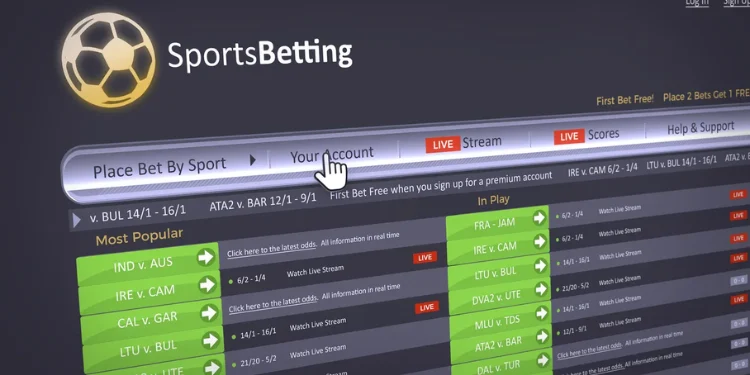
Kenya just drew a clear line in the sand for foreign betting companies. The government now demands that all offshore gambling platforms block Kenyan residents from accessing their sites. Any foreign operator that fails to comply faces a fine of up to Ksh50 million. They also risk losing their licence and having their security bond seized.
Kenya has been watching foreign betting platforms operate with little oversight for years. Many of these companies take bets from Kenyans but pay no taxes to the country. Some even refuse to pay out winnings, leaving local gamblers with no legal way to get their money back. The new regulation changes that dynamic completely.
The Law Forces Foreign Platforms to Use Technology That Blocks Access
The Gambling Control (Foreign-based Operators) Regulations, 2026, require foreign betting firms to install geo-blocking systems. These systems use IP tracking and location data to identify where a user is connecting from. If the system detects a Kenyan IP address, it automatically blocks access to the platform.
The Gambling Regulatory Authority of Kenya will not just take the operators at their word. The regulator plans to conduct quarterly technical audits to test whether the geo-fencing measures actually work. They will check if Kenyan residents can still access offshore gambling platforms despite the restrictions. This ensures that foreign operators cannot simply claim compliance while continuing to accept Kenyan bets.
Foreign operators must also give the regulator remote, real-time access to their central servers and gaming systems. The authority will monitor financial flows and verify that no bets originate from within Kenya. This level of oversight was not possible under the old regulatory framework. The previous laws dated back to the 1960s and simply could not handle the challenges of online betting.
The Rule Protects Kenyan Consumers from Unscrupulous Operators
The previous regulator, the Betting Control and Licensing Board, flagged more than 58 betting companies for operating illegally within Kenya’s internet domain. These firms used mobile money systems like STK Push to accept deposits. But when customers won, the companies simply withheld the payouts. The gamblers had no legal recourse because the operators were based outside Kenya.
The new regulations change this. Foreign operators must now submit compliance certificates from their host jurisdictions. These certificates must confirm that the operator’s gambling activities are lawful and properly licensed where they are based. If an operator breaches the laws of its host country, Kenya can revoke its licence immediately.
This creates accountability. A foreign platform cannot simply set up shop, take Kenyan money, and disappear when things go wrong. They now operate under a framework that protects the people placing bets.
The Financial Stakes Are Massive for Kenya
Kenyans wagered a record Sh330.5 billion in the year ending June 2026. That amount exceeded the value of new investments at the Nairobi Securities Exchange during the same period. The betting sector generated approximately Sh33 billion in taxes during the 2024-25 financial year. The government expects collections to increase to Sh40 billion this year.
But that tax revenue only comes from licensed operators that comply with Kenyan law. When Kenyans bet on foreign platforms that are not licensed locally, the government collects nothing. The money leaves the country. This is called capital flight, and it hurts the Kenyan economy.
The new regulation forces punters to use local, licensed operators that are obligated to remit taxes. Kenyans pay a 5 percent excise tax on every betting stake and a 20 percent withholding tax on each winning bet. Licensed gambling firms pay a 15 percent betting tax on revenue, a 30 percent corporate tax on profits, and a 16 percent income tax. When gamblers use foreign platforms, all of this tax revenue disappears.
Foreign Operators Must Now Prove Financial Stability
The new regulations do not just demand geo-blocking. They also raise the financial bar for any foreign operator that wants a Kenyan licence. These firms must maintain a minimum paid-up capital of Ksh100 million. They must also provide a security bond or bank guarantee of Ksh200 million to ensure they comply with regulatory requirements.
This requirement serves two purposes. First, it ensures that only financially stable firms can operate under Kenyan licences. A company that cannot put up Ksh200 million probably cannot afford to pay out large winnings either. Second, the bond gives the government a financial tool to enforce compliance. If an operator breaks the rules, the authority can seize the bond.
Kenya Aligns with a Growing African Trend
Kenya is not alone in cracking down on foreign gambling operators. South Africa is losing more than R50 billion a year to illegal offshore gambling operators, according to the South African Bookmakers Association. Licensed South African bookmakers have called on banks to block payments to these unlicensed platforms. The National Gambling Board is also working with international counterparts to block access.
Nigeria faces similar challenges. Offshore crypto casinos are bypassing the Central Bank of Nigeria and local regulators. These platforms operate without local licences, meaning Nigerian users have zero legal recourse if they are cheated.
Across the continent, regulators are realising that foreign operators cannot be allowed to extract value without contributing to local economies. Kenya’s new regulations place the country at the forefront of this movement.
The Rule Strengthens Kenya’s Gambling Industry
Some might argue that blocking foreign platforms limits consumer choice. But the reality is more straightforward. A well-regulated industry protects consumers, generates tax revenue, and creates a level playing field for local operators. The new regulations do not ban gambling. They simply ensure that anyone offering gambling services to Kenyans plays by Kenyan rules.
The Gambling Regulatory Authority now has the tools it needs to enforce these rules. The authority will monitor financial flows, conduct technical audits, and coordinate with other agencies, including the Kenya Revenue Authority and the Communications Authority of Kenya. This coordinated approach makes enforcement more effective than the fragmented system that existed before.
The regulations also classify all operators licensed under the framework as reporting institutions for anti-money laundering purposes. This means they must comply with anti-money laundering obligations in both Kenya and their host jurisdictions. This requirement adds another layer of accountability and helps Kenya meet its international financial obligations.
What This Means for the Average Kenyan
For the average Kenyan who places a bet on a football match, these changes may not be immediately visible. The biggest difference is that they will no longer be able to access foreign betting sites that previously accepted their money. But they will still have plenty of options from licensed local operators.
The more important change is protection. When a Kenyan wins a bet on a licensed platform, they can expect to receive their winnings. The regulator now has the power to enforce this. When a Kenyan loses money on a foreign platform, they previously had no way to get it back. That scenario will become less common as foreign operators are forced to either comply or leave the market.
The government expects this regulation to boost tax revenue and protect consumers. The data supports that expectation. The betting and gaming sector generated approximately Sh33 billion in taxes during the 2024-25 financial year. With the new rules in place, that number is likely to grow.
A Necessary Step for a Growing Industry
Kenya’s betting industry has grown rapidly. The country now leads Africa in sports betting engagement, with 64 percent of Kenyans surveyed having placed a bet in the past year. This compares to 60 percent in Ghana and 58 percent in South Africa.
With that level of participation comes responsibility. The government cannot allow a sector this large to operate without proper oversight. The new regulations provide that oversight. They protect consumers, generate tax revenue, and ensure that foreign operators contribute to the Kenyan economy rather than extracting value from it.
The regulations came into force on 30 June 2026. They represent one of the most comprehensive regulatory regimes the Kenyan gambling industry has experienced. For the first time, Kenya has a dedicated regulatory framework governing foreign-based gambling operators.
This is not about restricting freedom. It is about ensuring that anyone who does business in Kenya respects Kenyan law and Kenyan people.