

African tech founders usually focus on product and growth. They build features, chase users, and raise money. Compliance feels like a distraction. But regulators across the continent are changing the rules. Nigeria’s Central Bank now requires banks and fintechs to submit detailed anti-money laundering roadmaps. South Africa exited the FATF greylist in October 2025, but that only means stricter oversight is coming. Forty-five African nations now have data protection laws.
The era of building first and fixing compliance later is ending.
Startups Discover Their Gaps Too Late
Most founders learn about their compliance problems at the worst possible moment. An investor asks for due diligence documents. A bank partner requests audit records. A regulator sends a query. Suddenly, the startup scrambles to prove it has been doing things right.
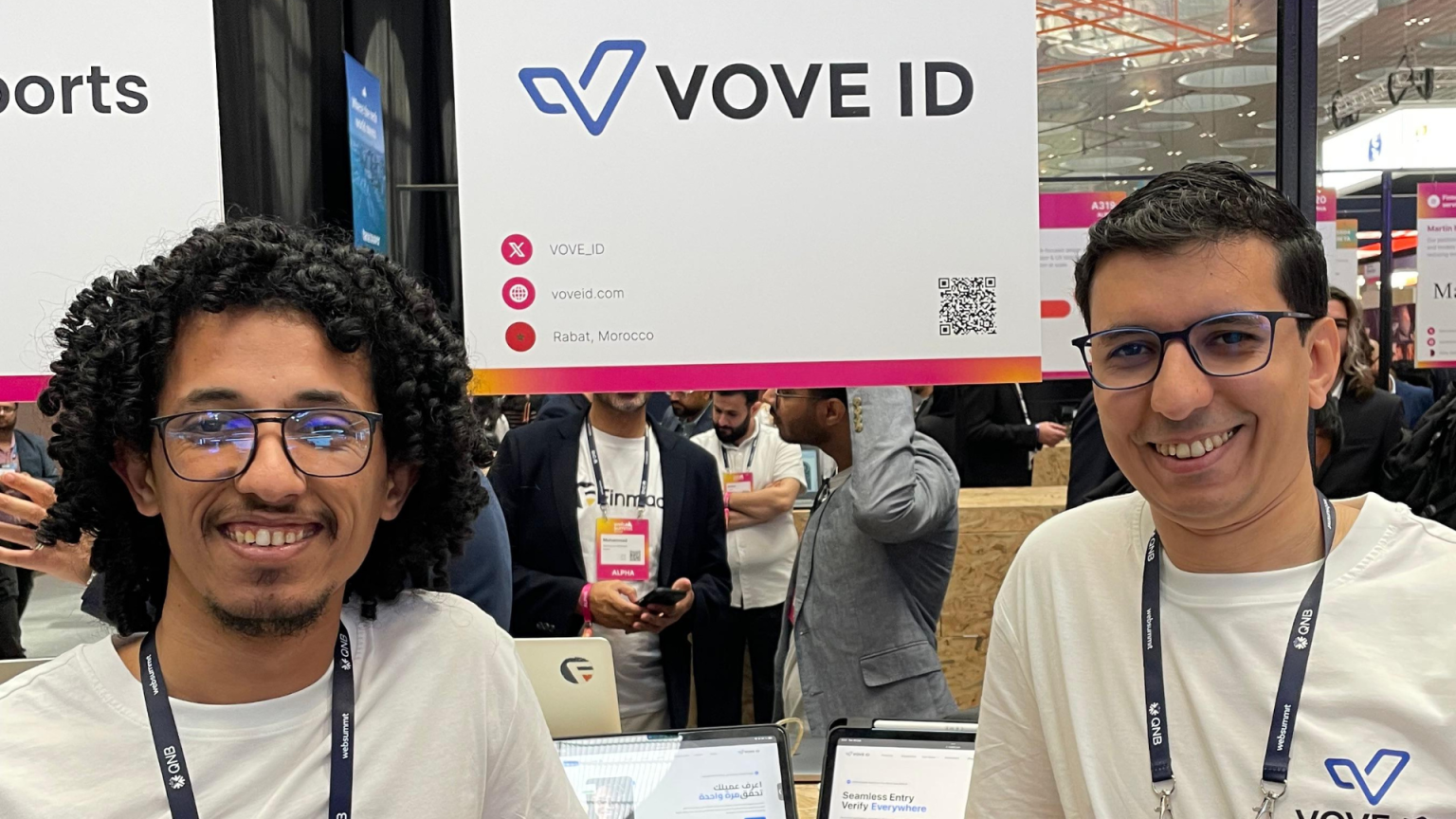
Vove ID observed this pattern repeatedly. The Morocco-based compliance company noticed that many startups only discover their shortcomings when investors or regulators begin their checks.
The problem is not that founders do not care about compliance. The problem is that they do not know what they do not know. They have no independent assessment of their systems. They assume they are fine until someone proves otherwise.
That assumption is risky. Regulators are not forgiving. Investors are not patient. And fixing problems after they surface costs more time and money than preventing them.
A Structured Path to Readiness
Vove ID launched the Compliance Infrastructure Program to solve this problem. The program selects six to eight startups operating in regulated or trust-sensitive sectors. It covers Know Your Customer checks, Know Your Business verification, anti-money laundering, fraud prevention, governance, and audit readiness.
Selected companies complete a 24-question readiness assessment built around six compliance pillars. They attend a workshop and one-on-one review sessions with the Vove ID team. Each startup receives a personalised report that highlights priority gaps and provides a roadmap for the next 30, 60, and 90 days.
Vove ID founder Khalid Aoussar made that clear. He said founders do not need another compliance lecture. They need a practical way to understand what matters now, what evidence they should maintain, and what to fix before growth creates pressure.
The program targets live or near-launch companies across Africa and other emerging markets. Fintechs, digital lenders, payment companies, wallet providers, crypto platforms, marketplaces, mobility apps, and regulated SaaS businesses are all eligible. Applications close on August 20.
Regulation Is Not the Enemy of Growth
Many founders view compliance as a barrier. They see it as red tape that stops them from moving fast. But the truth is different.
Regulation creates trust. Trust attracts users. Trust attracts investors. Trust attracts partners. A startup that can prove it follows the rules has an advantage over one that cannot.
Nigeria’s Central Bank formally recognised artificial intelligence as a tool for monitoring financial crime in March. That move signals that regulators want innovation, not obstruction. They want startups to use technology to meet compliance standards efficiently.
South Africa’s exit from the FATF greylist shows what happens when a country takes compliance seriously. The country completed all 22 action items in its action plan. The result was increased investor confidence and a stronger financial system.
Startups that embrace compliance early position themselves for the same benefits. They become attractive to international partners. They reduce their risk of fines or shutdowns. They build a foundation for sustainable growth.
Compliance as Infrastructure, Not Paperwork
The traditional view of compliance treats it as paperwork. You fill out forms. You keep records. You hope no one asks too many questions.
Vove ID promotes a different view. The company describes its platform as compliance infrastructure. That means compliance becomes part of how the business operates, not a separate activity.
The platform provides identity verification, business verification, beneficial ownership checks, AML screening, risk workflows, ongoing monitoring, and audit-ready recordkeeping through APIs and SDKs. These are not manual processes. They are automated systems that run in the background.
The Compliance Infrastructure Program extends this philosophy. It helps startups build compliance into their operations from the start. It identifies weaknesses before they become problems. It creates a clear path to fixing those weaknesses.
The Cost of Doing Nothing
Ignoring compliance has real consequences. Startups can lose banking relationships. They can fail investor due diligence. They can face regulatory fines or forced shutdowns.
The cost of fixing compliance problems after they surface is always higher than preventing them. A startup that discovers a gap during an investor review may lose the deal. A startup that fails a regulator’s audit may face penalties that drain its resources.
Vove ID’s program offers a low-cost way to avoid these outcomes. The company selects six to eight startups for tailored assessments. The program includes a webinar, a standardised assessment, and one-on-one reviews.
This is not about selling software. It is about helping startups understand their position and take action. The program gives startups a practical way to assess their foundations early, particularly as they prepare for banking, fundraising, partnerships, licensing, or market expansion.
A Sign of Maturity for African Tech
The industry is maturing. Regulators are getting serious. Investors are demanding more.
African fintechs face a pivotal year in 2026, with expectations for regulatory compliance and hardened infrastructure. The Central Bank of Nigeria issued baseline standards for automated AML solutions in March, with 12 standards and around 100 requirements. Banks must comply by 2027, with other institutions following by 2028.
Startups that take compliance seriously now will lead the next phase of African tech. They will attract the best partners. They will win the trust of users. They will build businesses that last.
The Compliance Infrastructure Program is one tool to help them get there. But the real work belongs to founders. They must decide whether compliance is a burden or an advantage. The smart ones will choose advantage.