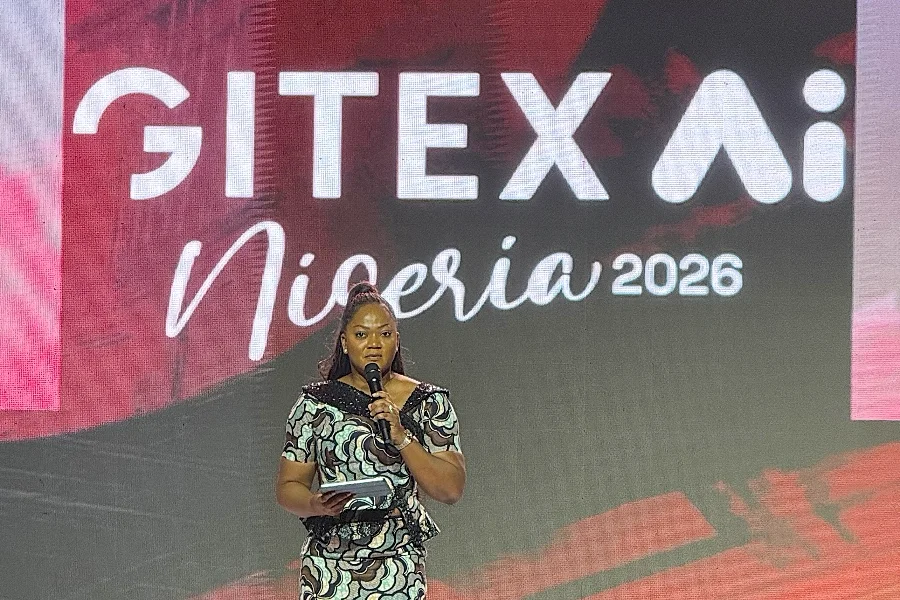
GITEX Nigeria 2026 has officially wrapped up, closing out a monumental week that split its focus between the regulatory corridors of Abuja and the bustling commercial hub of Lagos. As West Africa’s largest tech and startup event, this year’s conference signalled a profound shift in Nigeria’s digital strategy. The narrative has officially moved beyond basic internet connectivity; the new mandate is digital independence, AI sovereignty, and deep infrastructure ownership.
Here is a look at the defining themes and major takeaways from the event.
The Push for Sovereign AI
The Abuja leg of the event was anchored by the Government Leadership and AI Summit, themed “Beyond Connectivity: The Bridge to Sovereign AI and Innovation.” Policymakers and tech leaders delivered a unified message: Africa must transition from consuming foreign technology to building its own.
Discussions heavily focused on the need for local control over AI algorithms and data governance to ensure national security and economic resilience. This means scaling up localised cloud infrastructure and data centres to host home-grown artificial intelligence solutions rather than relying strictly on offshore tech giants.
Hardwiring the Future: Project BRIDGE
Sovereign tech requires sovereign infrastructure. A major focal point was Project BRIDGE, the government’s ambitious initiative to lay down 90,000 kilometres of open-access fibre-optic cable across the country. This expansion is designed to be the physical backbone supporting the next generation of Nigerian digital products, ensuring that high-speed access can reliably reach beyond major urban centres.
Building the Human Capital: The 3MTT Initiative
Infrastructure is only as effective as the people who operate it. GITEX 2026 showcased the ongoing success of the 3 Million Technical Talent (3MTT) program. With over 1.87 million registrations so far, the initiative has already trained over 125,000 Nigerians in critical fields like software engineering, cloud computing, AI, and cybersecurity. Leaders stressed that this talent pipeline is the crucial missing link between laying fibre-optic cables and actually building a globally competitive tech ecosystem.
The Lagos Startup Engine & FDX Nigeria
While Abuja focused on policy and infrastructure, the Lagos leg of GITEX was all about capital and commercialisation. The GITEX Startup Festival brought together over 750 startups from more than 25 countries to pitch to a network of 300+ investors.
Notably, the ecosystem is maturing. While fintech remains a powerhouse, a significant wave of capital and interest is now flowing into startups solving infrastructural challenges in healthcare, climate resilience, and agriculture. Meanwhile, the FDX Nigeria segment highlighted the future of digital finance, with intense discussions around open banking frameworks, asset tokenisation, and the integration of AI into cross-border remittance and financial services.
The Bottom Line
GITEX Nigeria 2026 made one thing clear: Nigeria is no longer just aiming to get its population online. Between massive fibre rollouts, aggressive tech upskilling, and a thriving, diversifying startup ecosystem, the country is actively building the foundation to own and operate its digital future.