
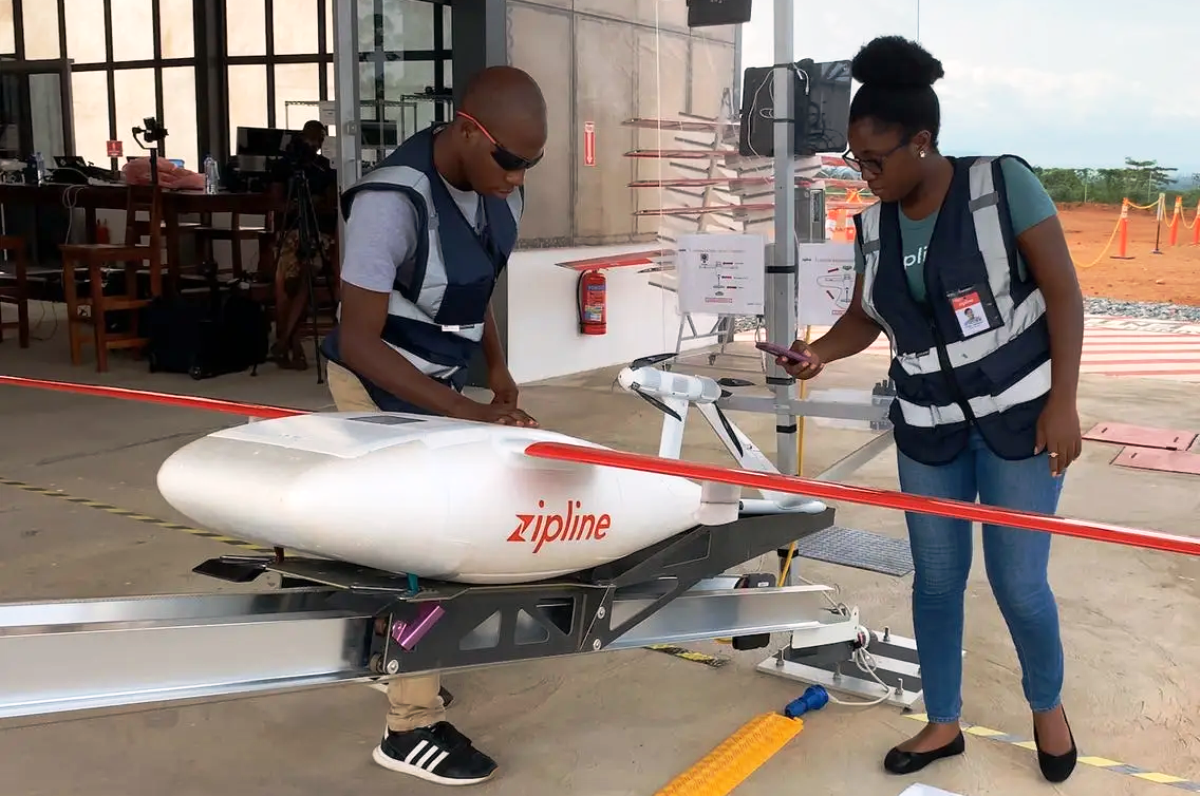
Zipline, a drone delivery company, plans to add 12 distribution hubs by 2028. Zipline says that the buildout would give it 15 operating sites in the country and extend access to medical supplies to about 20,000 health facilities and 100 million people.
Zipline started in Kaduna in 2022 and later expanded into Cross River and Bayelsa. The current network serves more than 1,300 health facilities and about six million people.
Nigeria gives Zipline a clear problem to solve
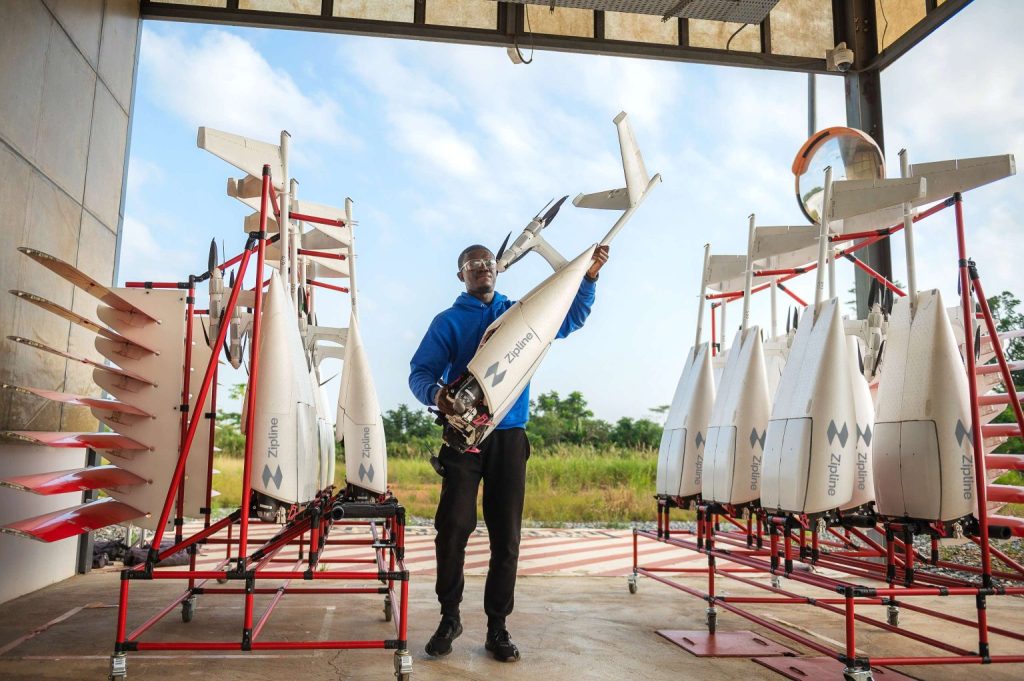
Nigeria still struggles with last-mile health delivery. Rural clinics often run short of vaccines, blood, malaria drugs, anti-venom, and maternal care supplies. Zipline built its service around that gap. The company stores products in central hubs and flies orders on demand when a clinic needs them.
At launch in Kaduna, Zipline said it would support about 500 health facilities, stock more than 200 medical products, and complete deliveries in about 30 minutes on average. In areas the company already serves, Zipline says a doctor or community health worker can receive blood, vaccines, drugs, and other supplies in as little as 10 minutes. Those numbers explain why healthcare remains the company’s strongest use case in Nigeria.
Bayelsa shows the model at work
Bayelsa gives Zipline a strong proof point because the state’s terrain slows road transport. Rivers, swamps, and seasonal flooding make routine deliveries hard. Zipline said in February 2025 that its Yenagoa distribution centre covered 38,000 square kilometres, served hundreds of health facilities and community delivery sites, and had delivered more than one million vaccine doses and over 71,000 units of essential medicines since operations started there in 2023. BusinessDay reported the same figures when Nigeria’s health minister and Bayelsa’s governor commissioned the centre.
That progress ties logistics to visible health outcomes. Zipline says the Bayelsa operation now reaches 73 of the state’s 83 wards. Governor Douye Diri also said the service helped vaccination efforts for more than 20,000 zero-dose children. In practical terms, Zipline is not selling a drone flight. It is selling a way to move vaccines and medicines into places where roads and boats often fail people.
Zipline wants a national network
The company now wants federal scale. In September 2024, Zipline and Nigeria’s Ministry of Health and Social Welfare announced a national plan to use autonomous delivery to improve access to care and strengthen logistics across the country. Zipline said the plan aims to help reduce maternal mortality, malnutrition, malaria, and other long-running health problems. The company also said the agreement would create a financing framework that attracts health, development, and climate funders to back infrastructure in strategic locations across Nigeria.
That approach looks more realistic than the old tech habit of chasing growth without firm buyers. Zipline is tying its next phase to government partnerships, cold storage, warehousing, software, and local hiring. Gavi and the Elton John AIDS Foundation came in as early financial backers for the federal plan, according to Zipline. The company also says it has created more than 500 local jobs across Africa in robotics, healthcare, software engineering, and business functions.
Power and permits will shape the rollout
Zipline needs permits, flight corridors, security clearance, trained staff, and state-level coordination. Zipline has already worked with the Nigerian Civil Aviation Authority and the Nigerian Airspace Management Agency during its rollout, and that relationship will matter even more as the network grows.
Power is another hard test because Zipline’s Kaduna and Cross River facilities run on solar-backed systems with backup energy, as the public grid does not provide a reliable network with enough reliability. That detail says a lot about the company’s real task in Nigeria. Zipline is not just adding aircraft. It is building the storage, energy, and operating systems that keep those aircraft useful every day.
Zipline has a strong opening in Nigeria
Zipline’s Nigeria push works because it targets a plain and urgent problem. Clinics need blood, vaccines, and medicines to arrive fast and safely. So far, Zipline has enough live work in Kaduna, Cross River, and Bayelsa to argue that its service belongs inside the health system, not outside it.
The next few years will test execution. If Zipline adds the new hubs on schedule, keeps regulators aligned, and maintains service quality, Nigeria will stand as one of the clearest examples of drone delivery built as public health infrastructure.