
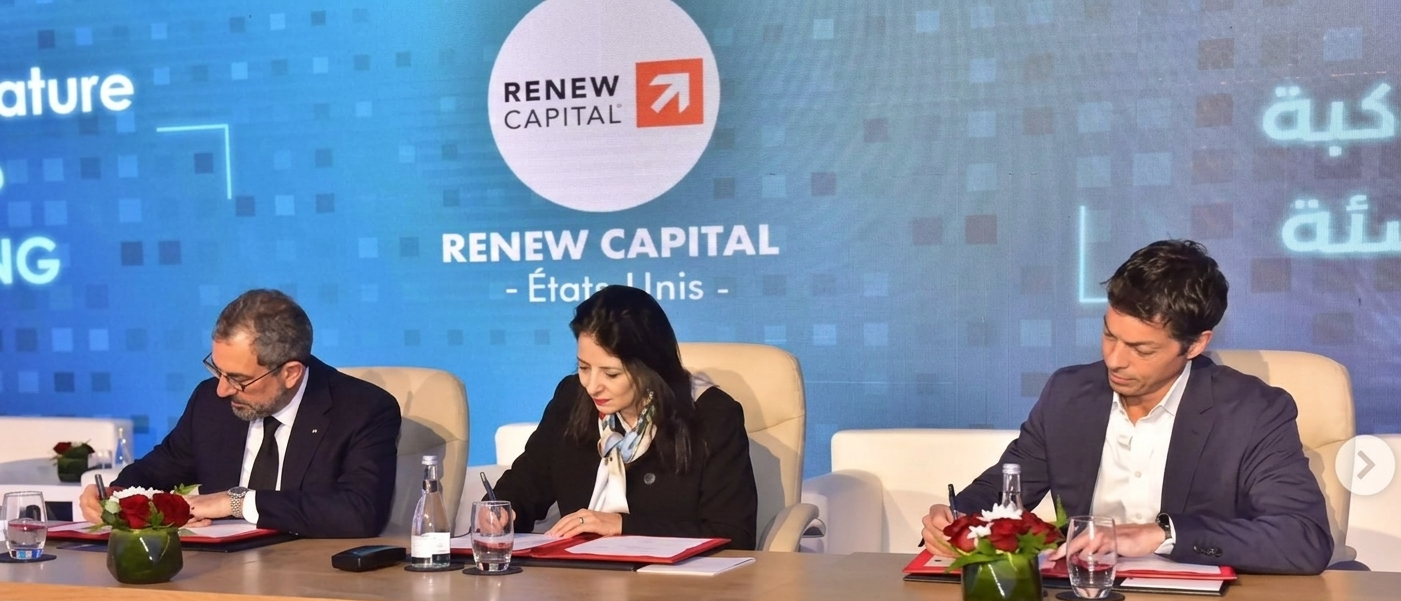
Renew Capital, a pan-African investment firm, recently announced the 15 startups selected for its first Renew Venture Lab: EmFi Series. The firm chose these companies from over 500 applicants across 48 African countries.
This is not just another accelerator announcement. It signals a fundamental change in how small and medium businesses across Africa might finally get the money they need to grow.
Banks Are Not Reaching Most Small Businesses
African small and medium enterprises create most of the jobs on the continent. Yet they face a massive problem because traditional banks do not lend to them. African SMEs face an estimated $330 billion annual credit gap. Fewer than one in five SMEs can access loans from traditional financial institutions.
Banks often demand collateral worth two to three times the loan amount. Many small business owners do not have that kind of asset. So they remain locked out of the formal financial system. They cannot expand. They cannot hire more people. They cannot buy better equipment. The economy loses out on its potential.
The Old Model of Lending Does Not Work Here
Traditional banking relies on credit scores, formal financial records, and physical collateral. Most African SMEs operate in cash. They keep records in notebooks. They do not have years of audited financial statements. This does not mean they are bad borrowers. It simply means the old tools for judging creditworthiness do not apply to them.
Banks see risk. They walk away. The SME stays unfunded.
Embedded Finance Offers a Different Path
Embedded finance means putting financial services directly into the platforms that businesses already use. A farmer using an app to sell crops can get a loan within that same app. A shop owner using a delivery platform can access working capital based on their delivery history. A motorcycle taxi rider using a booking app can finance a new bike through the app itself.
The company already knows the customer. It has data on their sales, their payments, and their behaviour. That data becomes the new credit score. No bank visit required. No collateral demanded. Just access to money based on real business activity.
Matthew Davis, co-CEO of Renew Capital, put it clearly. He said the next generation of Africa’s small business banks will not be banks. They will be startups that already understand how SMEs operate, have their data, and have earned their trust.
The 15 Selected Companies Show the Range of Possibilities
The selected startups come from ten African countries, including Ethiopia, Ghana, Kenya, Nigeria, Senegal, South Africa, and Uganda. They operate in very different sectors. But they share one thing. They all have direct relationships with SMEs and the data to prove it.
Each of these companies already serves a specific group of small businesses. Each has data on how those businesses operate. Each can now use that data to offer financial products that actually fit the needs of their customers.
Table Source: Disrupt Africa
The Selection Process Was Rigorous
Renew Capital did not pick these 15 companies lightly. The firm first invited all 500 applicants to exclusive expert sessions with founders from some of Africa’s fastest-growing companies. From that group, 47 companies advanced to a pitch competition. Those 47 received a startup package valued at more than $250,000. The final 15 now move to deeper technical training and investment consideration.
This multi-stage process means the selected companies have already proven their potential to experienced investors and operators. They are not raw ideas. They are businesses with traction, customers, and data.
This Is Not Just About Money. It Is About Trust.
The embedded finance model rests on trust. SMEs trust the platforms they use every day. A farmer trusts the app that helps them sell their produce. A retailer trusts the platform that delivers their stock. That trust takes years to build. Banks cannot buy it. They cannot replicate it.
When a platform offers a loan, it does not feel like a bank transaction. It feels like an extension of the service the business already uses. The repayment can happen automatically through the platform’s payment system. The whole experience is seamless. This is why embedded finance has such potential in Africa. It works with existing relationships rather than trying to replace them.
What This Means for the Future
The Renew Venture Lab shows that serious investors see embedded finance as a practical solution to Africa’s SME funding gap. It is not a theoretical concept. It is happening now, with real companies, real customers, and real data.
The 15 selected startups will receive technical training and a direct path to potential funding from Renew Capital and its co-investors. If even a few of these companies succeed in offering reliable financial products to their SME customers, the impact could be substantial.
More SMEs would get access to working capital. More businesses would expand. More jobs would be created. The $330 billion gap would start to shrink.
That is the real story here. Not the selection of 15 companies from 500 applicants. But what those 15 companies represent. A new way of thinking about finance in Africa. One that starts with understanding the customer, not with demanding collateral. One that uses data to build trust, not to deny access. One that might finally deliver the capital that African small businesses have needed for so long.
The banks had their chance. They chose not to lend. Now the startups are stepping in. And they are bringing the money with them.