

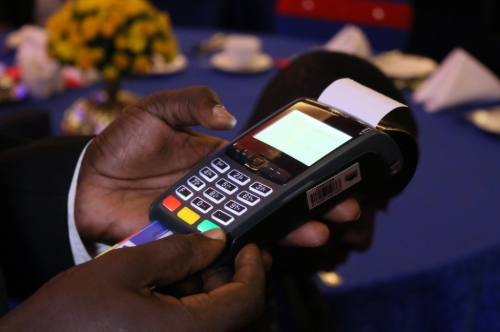
Nigeria’s central bank has eased one of the toughest rules it placed on the country’s Point of Sale network. In a May 29 circular, the Central Bank of Nigeria raised the allowed operating distance for PoS terminals from 10 metres to 70 metres and moved enforcement to August 1, 2026. That change gives agents, banks, and fintechs more room to comply with the rule without disrupting normal day-to-day trade in markets and busy retail areas.
The earlier rule was far stricter than the way Nigeria’s agent banking business works in real life. The CBN first ordered payment firms to geo-tag every PoS terminal in an August 25, 2025, directive tied to its ISO 20022 migration plan. That order required operators to register each device with exact GPS coordinates and link terminals to approved payment infrastructure for oversight.
CBN loosens the rule but keeps control
The latest revision does not cancel geo-fencing. It only makes the rule easier to use. The CBN still wants payment firms to geo-tag terminals, sort out technical issues with the National Central Switch, and send proof of compliance to its Payments System Supervision Department by July 31, 2026. So the regulator has not stepped back from oversight. It has chosen a more workable path.
Regulators often start with a hard control, test it in the market, then adjust it when field reality pushes back. In this case, the 10 metre rule looked clean on paper, but it fit poorly with how PoS agents actually serve customers in open markets, transport hubs, and crowded shopping clusters.
The old limit clashed with daily trade
A 10 metre boundary left almost no room for normal movement. A trader who stepped outside a stall to serve a customer a short distance away risked breaking the rule, even if the transaction happened in the same market and under the same business. That made compliance too rigid for honest agents while doing little to stop a determined bad actor from finding a paperwork fix.
The new 70 metre radius fits the way informal commerce works in Nigeria. It gives agents enough room to serve nearby customers while still keeping each terminal tied to a known business location. That matters because good regulation should track real risk. It should not punish normal business movement that creates no new fraud threat.
Nigeria’s PoS network is now too big to box in
The CBN’s rethink also reflects the size of the market. Nigeria’s cash shortage during the naira redesign period pushed many consumers toward digital payments and agent banking. NIBSS linked that period to stronger adoption of e-payment channels and heavier reliance on banking agents as customers searched for ways to move money and get cash.
By the end of March 2025, Nigeria had about 8.355 million registered PoS terminals and 5.9 million active or deployed devices, according to reports that cite NIBSS data. In the same quarter, PoS transaction value rose above ₦10.5 trillion. At that scale, agent banking is no longer a side channel in payments.
That growth has also changed the fintech race. Companies such as OPay, Moniepoint, and PalmPay do not compete only on how many terminals they can place. They now compete on uptime, routing quality, compliance, and trust. BusinessDay reported that the PoS market has started to move away from pure footprint growth and toward efficiency as urban areas fill up and competition gets tighter.
August 2026 now looks like a real test date
A 70 metre limit does not solve every risk, but it brings policy closer to reality. If the CBN wants durable control over a network this large, it will need rules that honest agents can follow every day, not rules that only look strict on paper.