


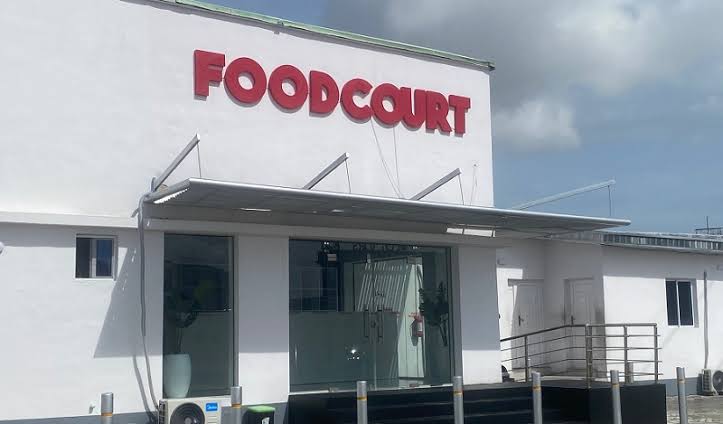
FoodCourt, the Y Combinator-backed cloud kitchen startup, had raised $1.7 million, delivered over one million meals, and generated $4.3 million in annual recurring revenue by the end of 2024. Its CEO publicly declared the business was profitable. It expanded from Lagos to Abuja and opened multiple locations.
Then, in March 2026, customers opened the FoodCourt app and found they could no longer place orders. The company had switched off the app because kitchen workers went on strike over unpaid salaries. By April 19, the last branch had shut down.
FoodCourt’s story is not just about one startup failing. It reveals deeper problems that affect many Nigerian and African businesses.
The Capital Trap That Catches Growing Companies
FoodCourt operated a full-stack cloud kitchen model. It owned the kitchens, cooked the food under multiple virtual brands, packed the orders, and handled delivery. This gave the company control over quality and the customer experience.
But control came with a heavy price. Running kitchens, employing staff, buying inventory, managing logistics, and marketing across multiple locations required significant capital. Every new branch meant more equipment, more workers, more ingredients, and more delivery riders to pay.
According to PitchBook, FoodCourt raised only $500,000 across its entire funding history, with investors including Y Combinator, Future Africa, and Goodwater Capital. The company employed 93 people. That is a thin capital base for a business responsible for physical infrastructure, staff salaries, inventory, and logistics across two cities.
The math did not work. The company expanded faster than its capital could support. When revenue per order did not keep pace with rising costs, the gap between money coming in and money going out grew wider. FoodCourt kept patching the problem instead of fixing it. Eventually, there was nothing left to patch.
When Operating Costs Consume Everything
Nigeria’s economic environment made FoodCourt’s situation worse. Inflation pushed up food prices. Currency devaluation increased the cost of imported packaging and equipment. Rising energy prices made running commercial kitchens more expensive.
FoodCourt’s profit margins shrank as costs for food, packaging, labour, refunds, and marketing rose faster than revenue. The company could not raise prices enough to cover these increases because customers were also feeling the economic pinch. Price-sensitive customers would simply order elsewhere.
The company’s expansion into Abuja and a second Lagos location increased operating costs without generating enough additional revenue to justify the spending. FoodCourt opened new branches while struggling to pay existing staff and suppliers. Growth became a liability rather than an asset.
The Human Cost of Financial Strain
Kitchen staff missed their February salaries. Workers at the Lekki kitchen went on strike in March. By March 2, the head chef reportedly advised management to suspend orders temporarily to avoid customer complaints. Two days later, the app stopped processing orders.
Internal messages showed that not everyone at FoodCourt was affected equally. Department heads, managers, and select team members reportedly continued receiving pay while other staff waited months for salaries. One former employee said they only received their January pay in the third week of March and considered themselves fortunate, with February and March wages still outstanding.
Suppliers chased unpaid invoices. Delivery riders lost a source of income. The company acknowledged outstanding obligations to employees, vendors, riders, and service providers but declined to disclose the total amount owed.
FoodCourt had previously made nearly 100 employees redundant in September 2024 after redesigning its kitchen processes. The company framed this as an efficiency push at the time. Looking back, it was an early warning sign that the business was struggling.
The Funding Winter That Exposed Weak Models
African startups raised $1.44 billion in the first half of 2026, but the number of disclosed deals fell sharply. More than 1,000 layoffs were recorded across the continent during the same period. Only 124 deals above $100,000 were recorded in the first four months of 2026, significantly lower than in recent years.
Equity funding declined by 27 per cent in the first quarter of 2026 compared to the same period in 2025. Debt financing expanded sixfold, but debt is not the same as investment. Debt must be repaid. For struggling startups, taking on more debt only adds pressure.
Startups that once relied on successive funding rounds to cover growth now have fewer options when revenue does not keep pace with costs. Investors are prioritising profitability over rapid expansion. Companies that cannot demonstrate sustainable business models are finding it harder to raise money.
FoodCourt expected a funding facility that was close to being finalised. It never came. The company suspended operations while waiting for money that did not arrive.
What Nigerian Businesses Must Learn
FoodCourt’s experience offers clear lessons for other Nigerian and African businesses.
- First, profitability today does not guarantee survival tomorrow. FoodCourt said it was profitable in 2024. Yet within months, it could not pay staff or suppliers. Profitability statements mean little if the business cannot manage cash flow or sustain operations through difficult periods.
- Second, expansion is not always the right move. Opening new branches in Abuja and Lagos seemed like a sign of success. They turned out to be financial burdens that drained resources from core operations. Businesses must ensure they can sustain existing operations before adding new ones.
- Third, capital efficiency matters more than capital raised. FoodCourt raised only $500,000 but operated like a much larger company. The business model required significant upfront investment in kitchens, staff, and inventory. Without adequate capital to support that model, the company was always vulnerable.
- Fourth, transparency with employees and suppliers matters. When staff stop getting paid, operations stop. When suppliers are not paid, supply chains break. FoodCourt’s workers went on strike because they had not been paid for months. The company could not fulfil orders because the people who cooked and delivered the food had walked out.
- Fifth, the funding environment has changed. The era of easy venture capital is over. African startups raised less money in 2026 than in previous years, and investors are more selective. Businesses must build models that work without constant infusions of outside capital.
FoodCourt’s CEO, Henry Nneji, said the company intends to bring FoodCourt back after restructuring. He described the effort as going beyond fixing finances to improving internal systems, strengthening operations, and building a more resilient business.
Whether FoodCourt returns depends on whether it can prove its model can turn a sustainable profit in one of Africa’s toughest low-margin markets. The company will need to show it has learned from its mistakes and can operate within its means.
For Nigerian and African businesses, growth without sustainability leads to collapse. Expansion without adequate capital creates risk. Profitability without cash flow management is fragile.
The companies that survive this period will be those that build solid foundations, manage costs carefully, and grow at a sustainable pace. They will prioritise financial discipline over rapid expansion. They will pay their people on time and maintain good relationships with suppliers.
FoodCourt had everything going for it. Y Combinator backing. A unique business model. Public claims of profitability. None of that was enough to prevent its downfall. In business, especially in challenging environments like Nigeria’s, what looks like success can disappear quickly when the fundamentals are not right.
RELATED POSTS:
The Techsoma Briefing
Stay with the story.
Keep up with the companies, ideas and people shaping African tech. Get the briefing in your inbox.
Free to subscribe. Unsubscribe anytime. Privacy policy