


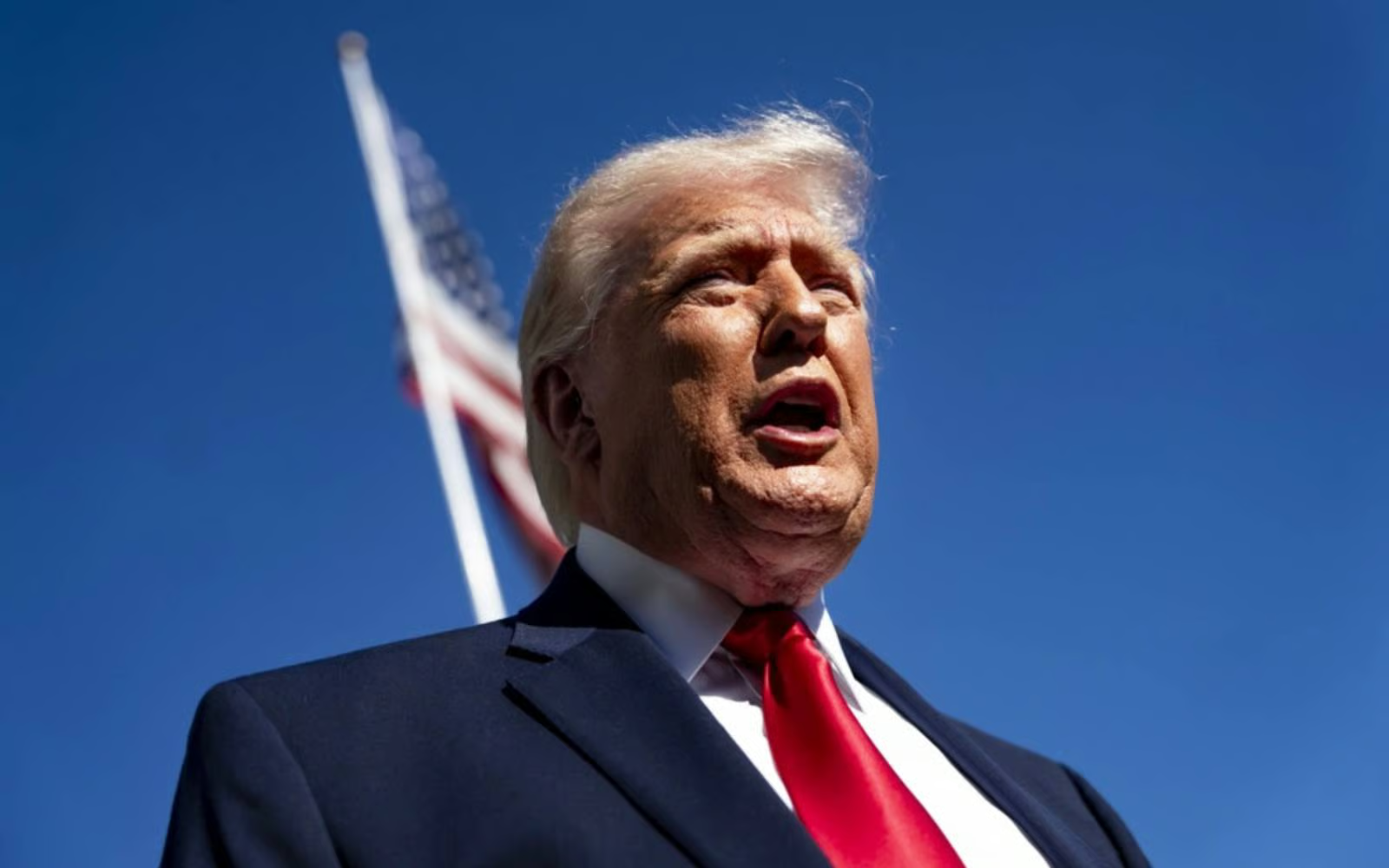
President Trump threatened to impose a 100% tariff on any European country that introduces a digital services tax on American tech companies. He issued the warning on Truth Social on June 26. The tariff would apply immediately to all goods exported to the United States. It would also override any existing trade agreements with that country.
This threat comes just days after the US and EU finalised a major trade accord. The agreement caps tariffs on most EU exports at 15%. The EU finalised the deal on June 25. Digital taxes were not part of that agreement. They remain a point of conflict between the two sides.
Why Europe Wants a Digital Tax
Several European countries impose taxes on digital services. These taxes apply to revenue that large tech companies earn in their markets. France, Italy, and Spain have a 3% digital services tax. Austria has had a 5% digital tax since 2020. The UK has a 2% tax on search engines, social media platforms, and online marketplaces.
These taxes target some of the largest US companies. They include Apple, Google, Meta, and Amazon. The UK Treasury reported that the tax raised over £800 million in 2024-25. European officials argue these taxes are fair. They say the taxes apply to all large companies regardless of origin. They believe digital businesses should pay taxes where they generate value.
EU Responds with a Firm Stance
The European Commission rejected Trump’s threat. An EU spokesperson called unilateral measures against legitimate policies unjustified. The spokesperson said the EU would respond swiftly and decisively to defend its rights. The EU insists it has the sovereign right to regulate economic activity within its territory.
This dispute is not new. The US has opposed digital services taxes for years. The Trump administration argues these taxes discriminate against American tech companies. Trump previously threatened the UK with a big tariff in April over its digital tax. He also threatened France with 100% tariffs on wine imports. Last year, he threatened tariffs on any country that moved to tax or regulate US tech firms.
The Legal and Economic Reality
It remains unclear how Trump would enforce this threat. The Supreme Court struck down tariffs he issued last year using an emergency law. Other legal options typically take more time. However, the US has used Section 301 of the Trade Act in the past. This provision could allow tariffs on a shorter timeline.
Existing tariffs already cost the average US household $700 in 2026. New tariffs could increase prices and slow economic growth. A broader trade war could erupt if the EU retaliates. Canada rescinded its digital tax in June 2025 after Trump threatened to end trade talks.
The Turnberry Deal at Risk
The trade deal took months to negotiate. Officials finalised it at Trump’s golf course in Turnberry, Scotland. The agreement locks in higher tariffs on many European products. It cuts tariffs to zero on industrial goods from America. Europeans viewed the deal as unfavourable. But they pushed ahead to secure certainty for their businesses.
Trump’s new threat undermines that certainty. He set a July 4 deadline for the EU to implement the deal or face much higher tariffs. The EU completed that process on June 25. The digital tax dispute now threatens to unravel the agreement before it fully takes effect.
What Happens Next
Several EU nations are discussing or preparing digital taxes. Belgium plans to implement a tax by January 2027. Germany began drafting legislation at the end of 2025. Trump said his tariff would target countries planning imminent implementation.
The EU has signalled it will not back down. European officials view digital taxation as a matter of sovereignty. They believe they have the right to tax companies operating in their markets. This clash of principles sets up a prolonged confrontation.
Both sides now face a choice. The US can escalate with tariffs and risk a trade war. The EU can proceed with taxes and risk economic retaliation. The outcome will shape transatlantic trade for years to come. It will also determine how governments tax the digital economy.