

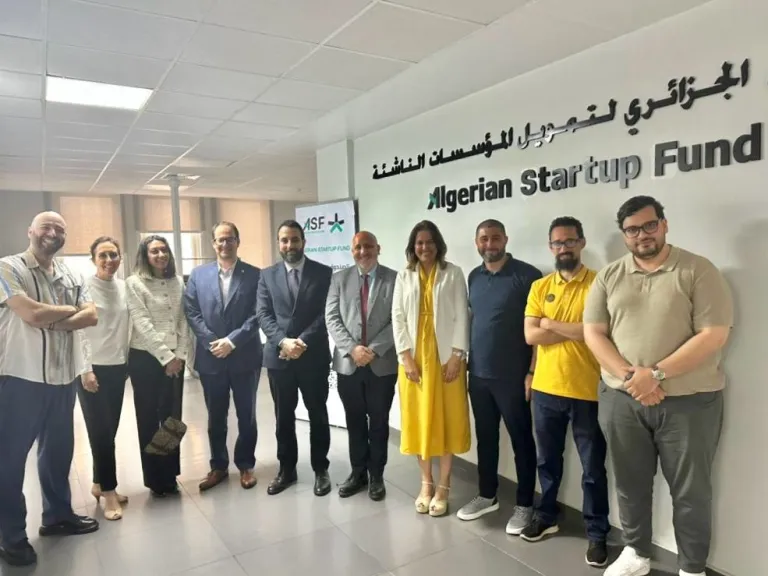
Flat6Labs, the International Finance Corporation (IFC), and Algeria’s Ministry of Knowledge Economy, Startups and Micro-Enterprises have joined forces to launch StartAlgeria. This new programme targets entrepreneur support organisations (ESOs) across the country. These are the incubators and accelerators that help early-stage startups grow.
The programme focuses on organisations that work with pre-seed and seed-stage startups. It wants to improve how these incubators select startups, design their programmes, prepare founders for investment, and connect with investors and policymakers. StartAlgeria is not about giving money to founders directly. It is about making the support system around them stronger and more effective.
What StartAlgeria Offers to Incubators
StartAlgeria will begin with a first group of incubators based in Algiers. Selected organisations will take part in workshops and masterclasses. These sessions will cover key areas like startup selection, programme delivery, and investment readiness.
But the support does not end there. Participating organisations will also receive six months of mentorship after the main programme ends. This mentorship will focus on fundraising strategy, partnerships, financial sustainability, and programme improvement. The aim is to create lasting change in how Algerian ESOs operate and what they can offer to the startups they support.
Why Algeria Needs Stronger Incubators
Algeria’s startup ecosystem is showing clear signs of growth. A new generation of founders is emerging. Institutional support is increasing. The government has placed a strong focus on innovation. According to the Global Startup Ecosystem Index 2026, Algeria’s startup ecosystem ranks 4th in Northern Africa. The country has also set a goal to reach 15 to 16 scale-ups in 2026, with the ambition of producing unicorns in the future.
However, many early ecosystems struggle because support programmes are fragmented, underfunded, or disconnected from investors. Startups need capital. But they also need strong incubators and accelerators that can help them refine products, reach customers, and prepare for investment. Access to early-stage funding, mentorship, and market networks remains a challenge for many Algerian entrepreneurs.
That is where StartAlgeria comes in. By focusing on entrepreneur support organisations, the programme tries to improve the quality of the pipeline before startups even reach the funding stage. Flat6Labs CEO Yehia Houry put it clearly. He said the next step is helping support organisations identify stronger startups, deliver better programmes, and build closer links between entrepreneurs and capital.
The Partners Behind the Programme
The partnership brings together three key players. Flat6Labs is a venture capital firm that has backed over 200 startups since 2011. It has deep experience in the MENA region and knows what it takes to build successful startups. The IFC is a member of the World Bank Group and the largest global development institution focused on the private sector. It brings international expertise and long-term confidence in Algeria’s potential. The Ministry of Knowledge Economy, Startups and Micro-Enterprises provides local policy backing and ensures the programme aligns with national priorities. The programme also receives support from the Government of the Netherlands.
This combination of global experience and local knowledge gives StartAlgeria a strong foundation. The IFC’s resident representative in Algeria, Cemile Hacibeyoglu Ceren, said the country’s entrepreneurial community is among the most dynamic in the region and ready to scale.
Algeria’s Tech Future
The launch of StartAlgeria shows that Algeria is moving beyond just supporting founders. The country is now investing in the infrastructure that produces investment-ready companies. This is a meaningful shift in how the ecosystem is developing.
The focus on Algiers for the first pilot makes sense. The capital is the logical starting point. But the programme’s real impact will depend on whether the model can scale beyond the capital and into other emerging startup centres across the country. If the programme helps Algerian ESOs become more financially sustainable and better connected to capital, it could strengthen the country’s position as an emerging North African innovation hub.
Algeria’s Minister of Knowledge Economy, Startups and Micro-Enterprises, Noureddine Ouadah, captured the ambition well. He said the launch of StartAlgeria is an important step in reinforcing the country’s startup support ecosystem. By strengthening the capabilities of support organisations, Algeria is investing in the long-term growth, resilience, and international competitiveness of its startups.
The startup journey is never easy. But with stronger incubators and better support systems, Algerian founders now have a better chance of turning their ideas into successful businesses.
The Techsoma Briefing
Stay with the story.
Keep up with the companies, ideas and people shaping African tech. Get the briefing in your inbox.
Free to subscribe. Unsubscribe anytime. Privacy policy