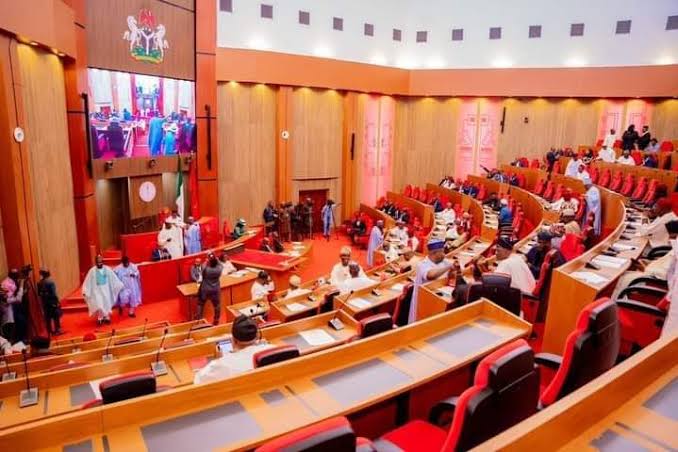
The Nigerian Senate has moved closer to passing a bill that would compel global social media platforms, including Facebook, Instagram, WhatsApp, X, YouTube, TikTok and Snapchat, to open physical offices in the country. Stakeholders backed the proposal during a public hearing organised by the Senate Committee on ICT and Cyber Security in Abuja on Thursday.
What the bill proposes
The legislation, formally titled a bill to amend the Nigeria Data Protection Act, 2023, seeks to make it mandatory for social media platforms, data controllers and data processors operating in Nigeria to maintain functional offices within the country’s territorial boundaries. It is sponsored by Senator Ned Nwoko, representing Delta North, and is numbered SB. 650. The bill passed second reading in March and has now cleared a public hearing stage, with the committee expected to review submitted memoranda before presenting a report to the full Senate.
Beyond requiring physical offices for the major platforms, the bill also contains provisions targeting bloggers operating in Nigeria, aiming to improve accountability, professionalism and transparency in the country’s digital media space. The CBN has also requested more secure storage of payment data early this year.
Why lawmakers say it matters
Senator Nwoko has argued that Nigeria carries one of the largest social media user bases in Africa, yet many of the platforms that dominate that market run their Nigerian operations remotely, often from regional hubs outside the country. He pointed to Ireland, India and the United Arab Emirates as examples of countries that have benefited from hosting the local offices of major technology companies.
Senate President Godswill Akpabio, represented at the hearing by Deputy Senate Leader Lola Ashiru, described the bill as forward-looking and said it reflects the Senate’s commitment to strengthening governance through legislation. Akpabio noted that several global technology firms already maintain offices in countries with smaller populations and less developed digital economies than Nigeria, and stressed that the bill is not designed to be punitive or to discourage investment.
Supporters at the hearing said local offices would improve regulatory oversight, speed up dispute resolution, strengthen data protection compliance, boost tax revenue and create jobs. Nwoko also argued that a local presence would open the door to technology transfer, through closer collaboration between multinational firms and Nigerian professionals, startups and academic institutions.
What happens next
The social media offices bill has not yet become law. Having cleared the public hearing stage with stakeholder backing, it now returns to the Senate Committee on ICT and Cyber Security, which will review submissions before reporting back to the full Senate for further legislative action. Should it pass, Nigeria would join a small group of countries, including India and several Gulf states, that have moved to mandate a physical corporate presence for global social media platforms operating within their borders.
Global technology companies and digital rights groups are expected to watch the bill’s progress closely, given its implications for how platforms structure their compliance, data protection and operational presence across African markets.