
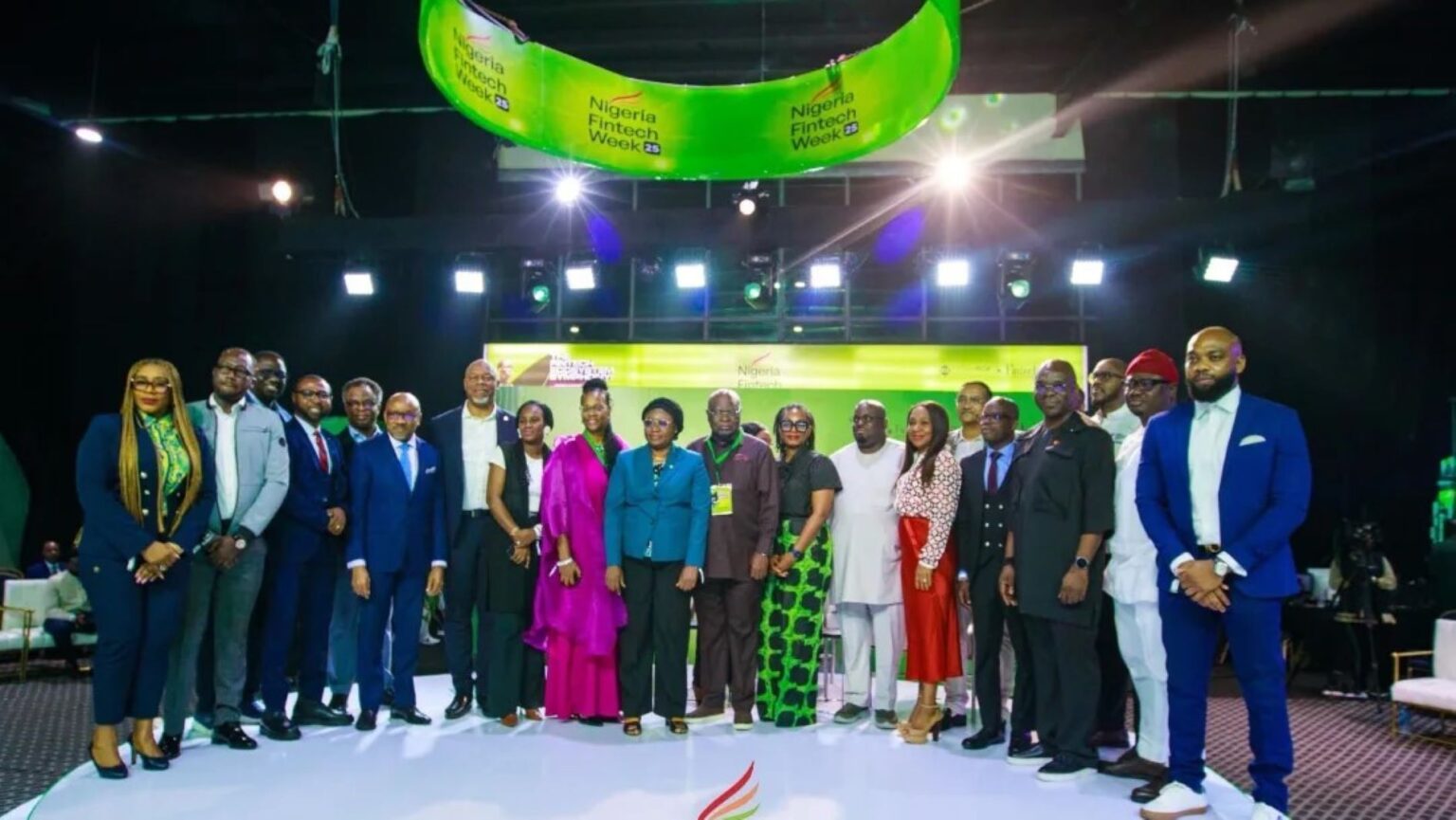
Nigeria’s fintech industry is set to gather under one theme next week, and that theme is forcing an uncomfortable but necessary conversation about what the sector has actually built over the past decade.
The Fintech Association of Nigeria will host the ninth edition of Nigeria Fintech Week from September 22 to 23, running simultaneously across Lagos, Abuja, and Port Harcourt for the first time in the event’s history. Lagos hosts the main conference at the Wole Soyinka Centre for Culture and the Creative Arts, formerly the National Theatre, while Abuja carries the regulatory and policy track and Port Harcourt runs a satellite programme focused on energy, trade, and cross-border commerce in the Niger Delta. Registration is free, and the event is open to founders, regulators, investors, students, and anyone interested in financial technology.
Why the theme matters
This year’s theme, “Legacy in Motion: Powering the Digital Renaissance,” is not just branding. Organisers have framed it as a deliberate attempt to put two generations of Nigerian finance on the same stage: the bankers and policymakers who built the country’s formal financial infrastructure, and the tech-native founders who spent the last ten years digitising it.
The association’s leadership has described the last decade as a shift from simply proving that digital payments could work to building the core financial infrastructure of a modern economy, with trust, expanding credit access, and closer regulatory partnership now driving real economic capacity for millions of Nigerians. That framing sets up the central question organisers want the event to answer, which is whether the sector’s early wins have actually translated into durable institutions, or whether Nigeria is still leaning on the momentum of its first fintech wave.
What the legacy conversation is really about
The data gives that conversation real weight. Electronic payment transactions in Nigeria reportedly hit ₦1.2 quadrillion, or roughly $880.5 billion, in 2025, a scale that would have been unthinkable when the sector’s earliest players started out. Companies built around solving basic payment and transfer problems have since expanded into lending, savings, merchant acquiring, agency banking, and increasingly into regulated banking itself, with some fintechs now acquiring microfinance banks outright to formalise operations that once operated in regulatory grey zones.
That expansion is precisely why the legacy question is so live right now. A financial system built by upstarts is now complex enough that regulators are having to rewrite rulebooks around it rather than the other way around, and some of Nigeria’s biggest fintech names are increasingly indistinguishable from the banks they once disrupted.
At the same time, there is a growing argument within the ecosystem that fintech’s dominance may not last. Venture capital data shows enterprise software, climate technology, mobility, and digital infrastructure attracting fast-growing investor interest, with analysts expecting more consolidation, deeper fintech diversification, and greater pressure on profitability rather than growth at all costs going into 2026. Regional expansion is also becoming a bigger part of the legacy story, with cross-border licensing arrangements between Nigeria and markets like Ghana, Kenya, South Africa, and Senegal expected to reshape how Nigerian fintechs scale across the continent in the coming years.
What to watch for at the event
For attendees, the practical value of Nigeria Fintech Week will likely sit less in the headline keynotes and more in the policy track in Abuja, where regulators and industry players are expected to debate compliance, verification, and the terms under which fintechs keep expanding into banking. The Lagos programme will carry the investor and international press conversations, while Port Harcourt’s regional focus signals that the association wants the legacy conversation to extend beyond Lagos’s usual dominance of Nigerian tech discourse.
Whether the event delivers a clear answer on fintech’s legacy or simply restates the scale of what has been built, its timing is notable. Nigeria’s fintech sector is being asked to defend its founding story at exactly the moment investors and regulators are asking what comes next.