

Techsoma Africa
Latest Startups FinTech AI Tech Global Apps Opinions African
Policy & Regulations Artificial Intelligence Reports About Contact Advertise African Startup Ecosystem FinTech & Digital Money Artificial Intelligence Technology Global News Apps, Gadgets, Tools & Softwares Opinions & Perspectives African Telecommunications
Techsoma Africa
No Result
View All Result
Techsoma Africa
No Result
View All Result
Techsoma Africa
No Result
View All Result
Home African Telecommunications

Kenya Now Requires a Licence to Import Phones and Routers

Buying a knockoff router used to just be a bad purchase. Under Kenya's new rules, selling one without the right paperwork could now cost a business up to three years in prison.

by Onyinye Moyosore
July 22, 2026
in African Telecommunications, Policy & Regulations
Reading Time: 3 mins read
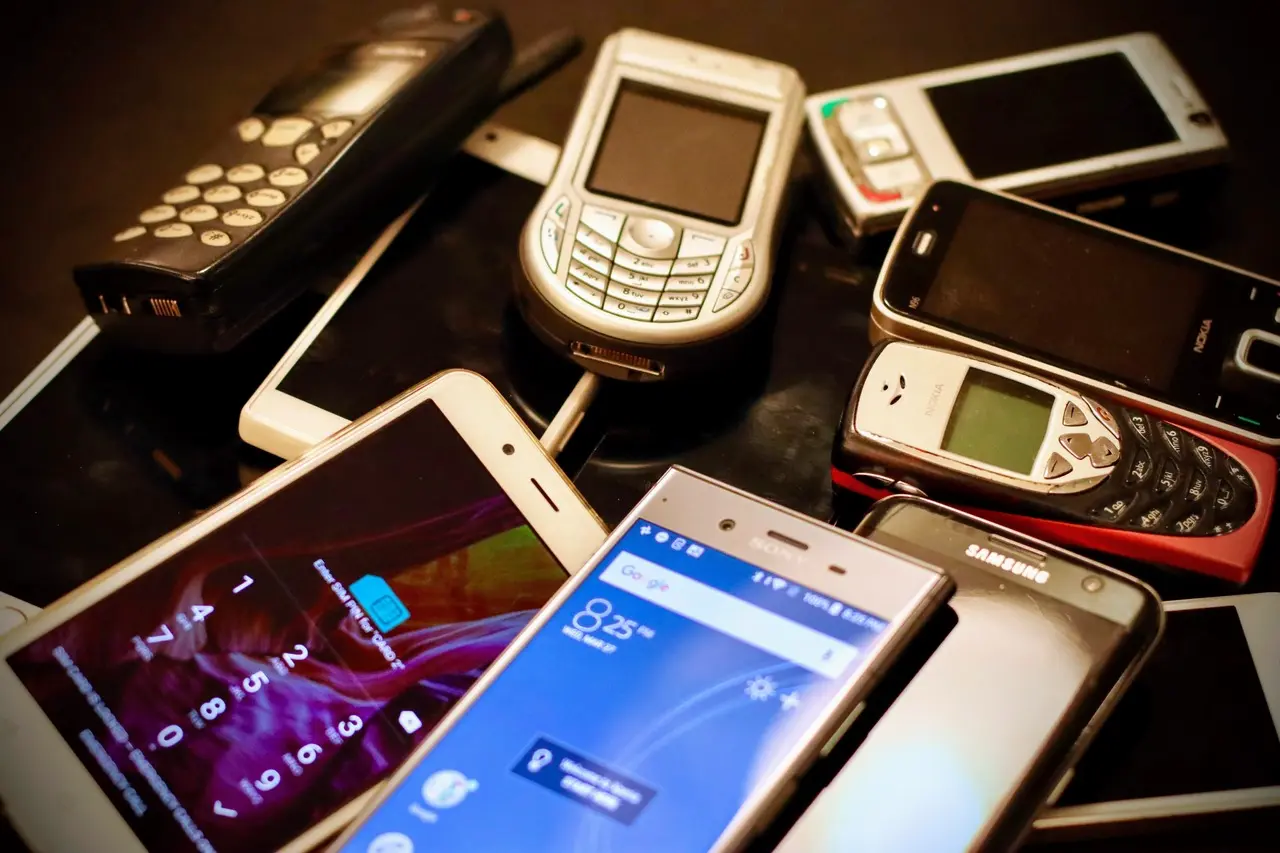
Mobile phones and routers, now subject to Kenya's new Communications Equipment Distributor licensing requirements

Kenya’s telecom regulator has decided that keeping counterfeit devices out of the country starts long before any phone reaches a shop shelf.

The Communications Authority of Kenya has introduced a mandatory Communications Equipment Distributor licence, which took effect on July 21, 2026, requiring any business that wants to import or wholesale mobile phones, routers, modems, and other communications equipment to first obtain the new licence. The rule applies equally to brand-new entrants and to companies that have operated in the space for years.

What the New Rules Actually Demand

Getting the licence isn’t just a formality. Importers now have to ensure every device carries a valid type approval certificate, submit IMEI numbers for mobile devices directly to the Kenya Revenue Authority, provide detailed invoices listing model numbers and quantities for everything crossing the border, and confirm that any internet-connected device meets IPv6 standards before it clears customs.

The penalties for skipping any of that are real. Companies that fail to comply face fines of up to KSh 1 million, up to three years in prison, or both. On top of the compliance requirements, the licence itself carries a cost: a KSh 5,000 application fee, a KSh 250,000 licence fee valid for 15 years, and an annual operating fee equal to 0.4% of gross turnover, with a minimum of KSh 120,000. Existing holders of the older Telecommunications Equipment Contractor licence aren’t grandfathered in either. If they want to keep importing or distributing equipment, they need the new licence too.

The Problem This Is Actually Solving

Kenya’s regulators are framing this as a direct response to counterfeit and substandard devices flooding the market, products that often skip safety testing, drain batteries faster than advertised, or create security vulnerabilities on networks they were never properly certified to join. Requiring IMEI reporting at the point of import, rather than only checking devices after they’re already in circulation, is meant to give authorities visibility into what’s entering the country before it ever reaches a consumer, rather than trying to chase down fakes after the fact.

The IPv6 requirement is a smaller but forward-looking detail. As more of Kenya’s connected devices, from routers to smart home equipment, come online, the regulator is using this licensing moment to push the market toward newer internet protocol standards rather than letting outdated equipment keep shipping into the country indefinitely.

This Didn’t Come Out of Nowhere

The new licence is the product of a review that’s been underway for a while, not a sudden announcement. The Communications Authority first proposed a licensing framework for telecom equipment distributors back in 2025, as part of a broader look at Kenya’s telecommunications market structure. Those proposals were formalised through the Revised Telecommunications Market Structure, published via Gazette Notice No. 3335 on March 6, 2026, months before this specific rule came into force this week.

That broader restructuring effort has introduced several new licensing categories beyond just equipment distribution, including separate frameworks for satellite operators, infrastructure providers, and communications service companies. The equipment distributor licence is one piece of a larger regulatory modernisation Kenya has been building toward for over a year.

What This Means for the Market

In the short term, the compliance burden falls squarely on distributors and importers, who now face higher upfront costs and more paperwork before a shipment can clear customs. For smaller importers operating on thin margins, a KSh 250,000 licence fee plus ongoing turnover-based costs is a meaningful new expense, even with the licence lasting 15 years.

The bet regulators are making is that tighter oversight at the import stage will reduce the volume of counterfeit devices reaching Kenyan consumers, improve overall product quality, and create a more traceable supply chain, benefits that are harder to quantify immediately but compound over time as fewer substandard devices make it onto the market. Whether the licensing cost gets passed down to consumers through higher device prices, or absorbed by distributors adjusting to a more regulated market, will likely become clearer as the industry adjusts to operating under the new framework over the coming months.


Onyinye Moyosore

Onyinye Moyosore

Onyinye Moyosore is a tech writer at Techsoma, where she covers startups, digital infrastructure, and how technology reshapes everyday life...

Recommended For You

A Starlink satellite dish, now operating in Côte d'Ivoire under a newly granted provisional licence
African Telecommunications

Starlink Launches in Côte d’Ivoire, No Ownership Fight

by Onyinye Moyosore
July 22, 2026

Starlink has officially launched in Côte d'Ivoire under a 12-month provisional licence, its latest African market. The approval came together in weeks, a sharp contrast to Namibia, which rejected the...

Read moreDetails
PesaLink branding, the interbank payment platform now undercutting M-Pesa's transfer fees

Kenyan Banks Undercut M-Pesa With Nearly Free Transfers

July 22, 2026
FCCPC branding, the regulator whose licensing powers were partially challenged in a July 2026 court ruling

Nigeria’s Airtime Lending Ruling Was a Split Decision

July 22, 2026

Third Safaricom Executive Exits as Vodacom Takes Control

July 22, 2026

Why African Startups Can No Longer Afford to Ignore Compliance

July 21, 2026
Next Post
PesaLink branding, the interbank payment platform now undercutting M-Pesa's transfer fees

Kenyan Banks Undercut M-Pesa With Nearly Free Transfers

A Starlink satellite dish, now operating in Côte d'Ivoire under a newly granted provisional licence

Starlink Launches in Côte d'Ivoire, No Ownership Fight

Please login to join discussion

Browse by Category

  • African Startup Ecosystem
  • African Telecommunications
  • Apps, Gadgets, Tools & Softwares
  • Artificial Intelligence
  • Business & Markets
  • Creator Economy
  • Cybersecurity
  • Digital Work-Life Series
  • E-Commerce
  • Event Radar Africa
  • Exclusive Interviews
  • Explainers
  • Fabfilter Total Bundle
  • Features/Spotlights
  • FinTech & Digital Money
  • Funding news
  • GenZ Desk!
  • Global News
  • Logistics & Mobility Tech
  • Marvel Rivals Nude Mod
  • Media & Entertainment
  • News
  • Opinions & Perspectives
  • Opportunities, Careers & Learning
  • Partner
  • Policy & Regulations
  • Reports
  • Reviews
  • Tech Insights for Creators
  • Technology
  • Thought Leadership
  • Uncategorized
  • About Us
  • Advertise on Techsoma
  • Contact
  • Privacy Policy
  • Publish Your Articles
  • T & C
  • Techsoma Africa

Copyright 2026 Techsoma Africa. All rights reserved.

Welcome Back!

Login to your account below

Forgotten Password?

Retrieve your password

Please enter your username or email address to reset your password.

Log In
Techsoma Africa

© 2026 Techsoma Africa Media.

Company

Policy AI Reports About Contact Advertise

Legal

Terms Privacy RSS

Latest

Starlink Launches in Côte d’Ivoire, No Ownership Fight Starlink has officially launched in Côte d'Ivoire under a 12-month provisional licence, its latest African market. The approval came together in weeks, a sharp contrast to Namibia, which rejected the company twice over the same ownership rules. Two governments, the same company, completely opposite conclusions. Kenyan Banks Undercut M-Pesa With Nearly Free Transfers Nineteen Kenyan banks have signed on to PesaLink's new pricing model: free transfers under KSh 1,000 and a flat KSh 20 fee up to nearly a million shillings. For years, M-Pesa's real advantage wasn't the technology, it was the price. Banks are now betting they can compete on the exact ground M-Pesa has owned for two decades. Kenya Now Requires a Licence to Import Phones and Routers Kenya has introduced a mandatory licence for anyone importing or wholesaling phones, routers, and modems, effective July 21. The rules require IMEI reporting, type approval certificates, and IPv6 compliance, with fines up to KSh 1 million or three years in prison for non-compliance. The goal: stopping counterfeit devices before they ever reach a shop shelf.
No Result
View All Result
  • About Us
  • Advertise on Techsoma
  • Contact
  • Privacy Policy
  • Publish Your Articles
  • T & C
  • Techsoma Africa

Copyright 2026 Techsoma Africa. All rights reserved.