
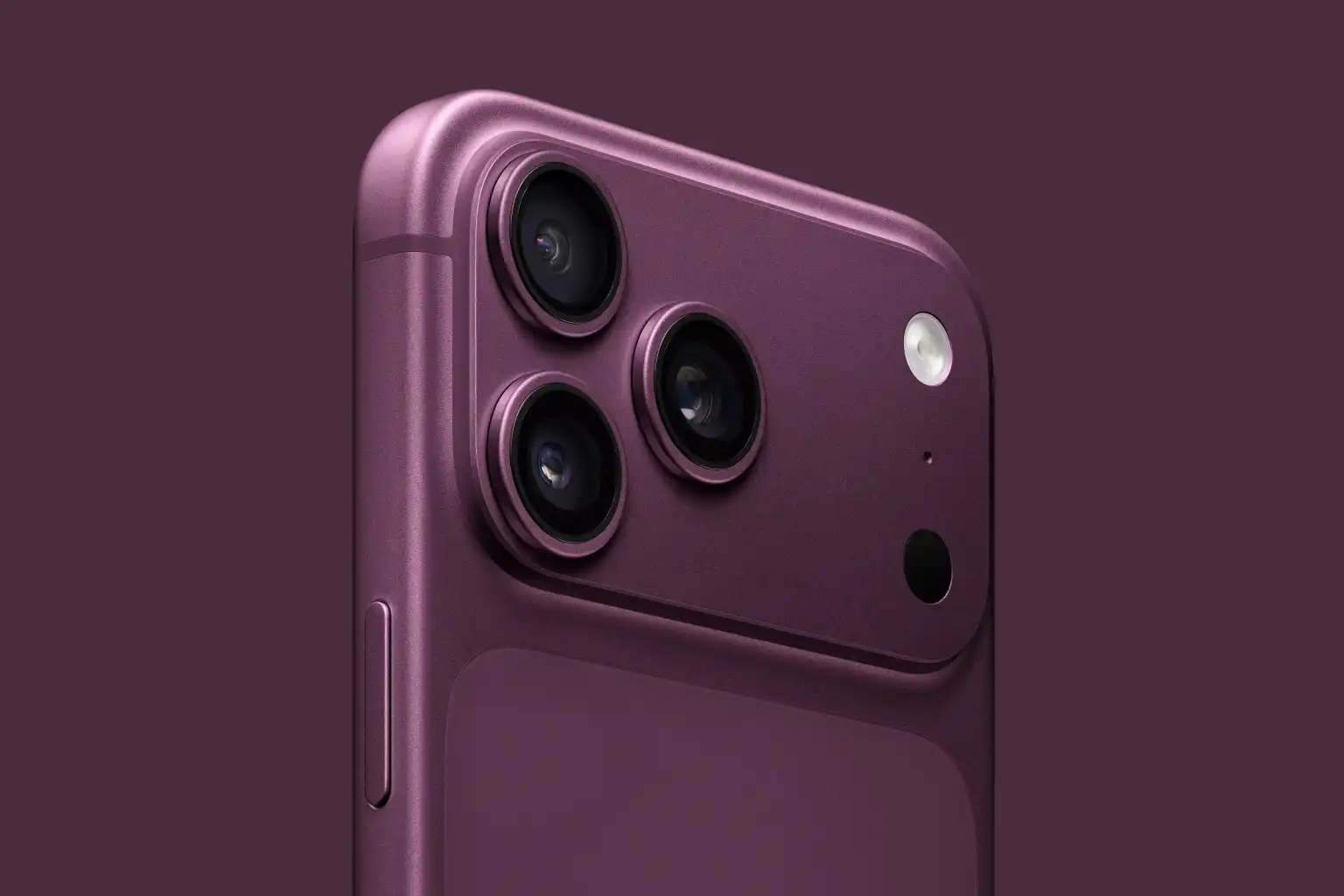
Apple is preparing consumers for significantly higher iPhone prices, with the upcoming iPhone 18 Pro expected to carry a starting price that could be $200 to $300 above its predecessor in a shift driven not by new features but by a global memory chip shortage that AI infrastructure spending has made acute.
Apple CEO Tim Cook confirmed the company will raise hardware prices, describing the situation caused by a global memory and storage chip shortage as “unsustainable.” Asked which devices would see price increases and when, Cook said the company is “still working through that,” with more clarity expected when the iPhone 18 lineup arrives in September.
What the Numbers Look Like
The iPhone 17 Pro currently starts at $1,099, and the iPhone 17 Pro Max at $1,199, both with 256GB of storage. Analysts now estimate the iPhone 18 Pro could start at $1,399, a potential increase of up to $300 over the base model.
The cost pressures run deep into the hardware. According to TechInsights analyst Mike Howard, the cost of 12GB LPDDR5X DRAM has jumped from $39 to $145, a 272% increase. Apple may also pay up to $280 for the A20 Pro chip used in high-end iPhone models, compared to $45 in 2024.
The AI Connection
The root cause is not a production failure; it is a demand problem driven by AI. Samsung, SK Hynix, and Micron, which together supply more than 95% of the world’s DRAM, have systematically diverted their fabrication lines from the low-power DRAM used in smartphones toward high-bandwidth memory, the specialised chip stacked inside every AI accelerator.
Meta, Microsoft, Google, and Amazon are spending an estimated $650 billion in 2026 on data centre infrastructure, nearly triple their 2024 combined figure. That level of spending has hoovered up available memory capacity, leaving smartphone makers competing for what remains.
IDC describes the shift as a “permanent reallocation” of silicon capacity toward AI rather than a cyclical shortage. Analysts expect the shortage to persist through at least 2027.
Apple Has Already Started Moving
The iPhone 18 Pro will not be the first Apple product to feel the squeeze. Apple already raised the Mac mini’s starting price from $599 to $799 and dropped its 256GB base configuration. iPads and MacBooks are expected to follow.
Apple has historically insulated itself from supply shocks through long-term contracts with memory suppliers. But the current shortage is so acute that even Apple’s purchasing power is not enough to shield the company from rising input costs fully.
The Wider Market Impact
Apple is not alone. PC and smartphone makers, including Dell, HP, Lenovo, and Samsung, have already passed higher component costs on to customers. Apple was the last major hardware company holding the line.
IDC projects the average smartphone across all brands will reach a record $523 in 2026, up 14%, while Gartner warns that entry-level laptops under $500 may become financially unviable for manufacturers within two years.
For consumers in Africa and other emerging markets where flagship devices already carry a price premium over their US retail cost (due to import duties, currency conversion, and distributor margins), a $200 to $300 base price increase on the iPhone 18 Pro will compound an already significant affordability gap.