
Artificial intelligence is spreading fast across Africa. Businesses, governments and nonprofits all want to use it. But most organisations do not know where to start. They lack the technical skills, the right tools and the internal knowledge to make AI work for them. A Malawian entrepreneur has built a company to fix that problem.
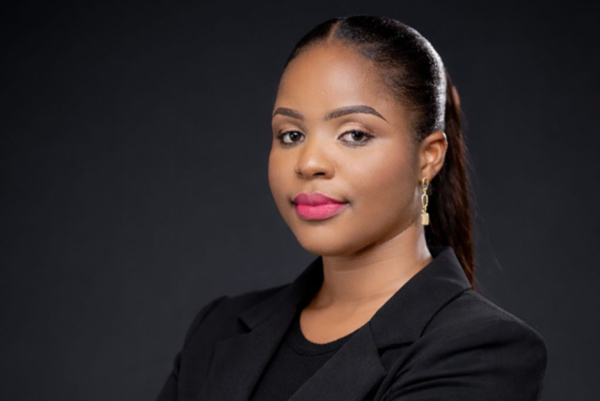
Tapiwa Kandiado founded SpaceAI in 2024. The startup helps businesses, development institutions and local communities adopt artificial intelligence. SpaceAI does not simply sell software. The company builds custom AI platforms and applications for different industries. It also provides the technical infrastructure needed to run these solutions over the long term.
But the core of SpaceAI’s approach is training. The company runs training programs and advisory services that teach organisations how to understand, adopt and manage AI tools. This focus on capacity building sets SpaceAI apart from many tech vendors that drop off software and walk away. Kandiado understands that technology alone does not drive change. People do. Organisations need internal expertise to maximise the value of their AI investments.
SpaceAI’s Partnership with AfriLabs
One of SpaceAI’s most significant achievements is its participation in the AI Bridge project. SpaceAI implemented this initiative in partnership with AfriLabs. AfriLabs is the largest network of innovation and technology hubs across 53 African countries. The AI Bridge project focuses on reducing gender bias in AI models and developing inclusive AI tools in 17 African languages.
This partnership gave SpaceAI valuable exposure within Africa’s innovation ecosystem. It also connected the startup with other leaders working on AI adoption across the continent. The project aligns with a broader continental push. The African Union adopted a Continental AI Strategy in 2024 to guide AI development across member states. The strategy emphasises transparency, accountability and ethical AI adoption.
The African AI Ecosystem
AI adoption among African organizations jumped from 57% in 2024 to 71% in 2025. Cloud computing leads adoption at 61%, followed by AI at 55%.
But growth brings challenges. Africans account for only 1% of the global AI talent pool. Many African universities lack AI-focused programmes. This talent shortage limits innovation and risks turning Africa into a consumer of AI technologies rather than a producer. A 2025 report found that 38% of companies surveyed said reskilling employees is a top challenge. Nearly half said the same about upskilling. These skills gaps have already caused failed innovation initiatives, project delays and increased pressure on teams.
SpaceAI addresses these gaps directly. The company combines technology deployment with workforce development. It helps clients build internal capabilities while implementing AI solutions. This dual approach improves adoption outcomes and supports sustainable digital transformation.
Kandiado’s Background and Vision
Kandiado brings a strong foundation to her work. She earned a bachelor’s degree in Information Technology from the University of Malawi in 2016. She also served as a member of the research group at the Center for AI and Digital Policy between January and April 2026. She serves on the board of Creative Minds Foundation Africa, a pan-African nonprofit that works to transform the lives of young people across the continent.
Kandiado believes Malawi is ready for AI solutions. She has spoken publicly about how Malawian businesses can harness AI to drive innovation and stay competitive. Her work through SpaceAI extends that vision across the continent. The startup regularly participates in major African technology and innovation events. These engagements help SpaceAI expand its network and showcase its expertise in AI integration.
What SpaceAI Means for African Organisations
SpaceAI offers a practical path for organisations that want to use AI but do not know how to begin. The startup does not promise quick fixes. It builds custom solutions tailored to specific industry needs. It deploys the infrastructure required for sustainable use. And it trains teams to manage these technologies effectively.
This model matters because many African businesses struggle with AI implementation. A 2025 report warned that poor planning, weak data capabilities and a lack of talent investment cause many AI initiatives to underperform. SpaceAI reduces these risks by pairing technology with capacity building. Organisations gain both the tools and the knowledge to use them well.
The startup’s work also contributes to a larger goal. The African Union’s Agenda 2063 envisions inclusive economic growth and social progress driven by technology. SpaceAI helps turn that vision into action by making AI accessible to organisations that might otherwise be left behind.