
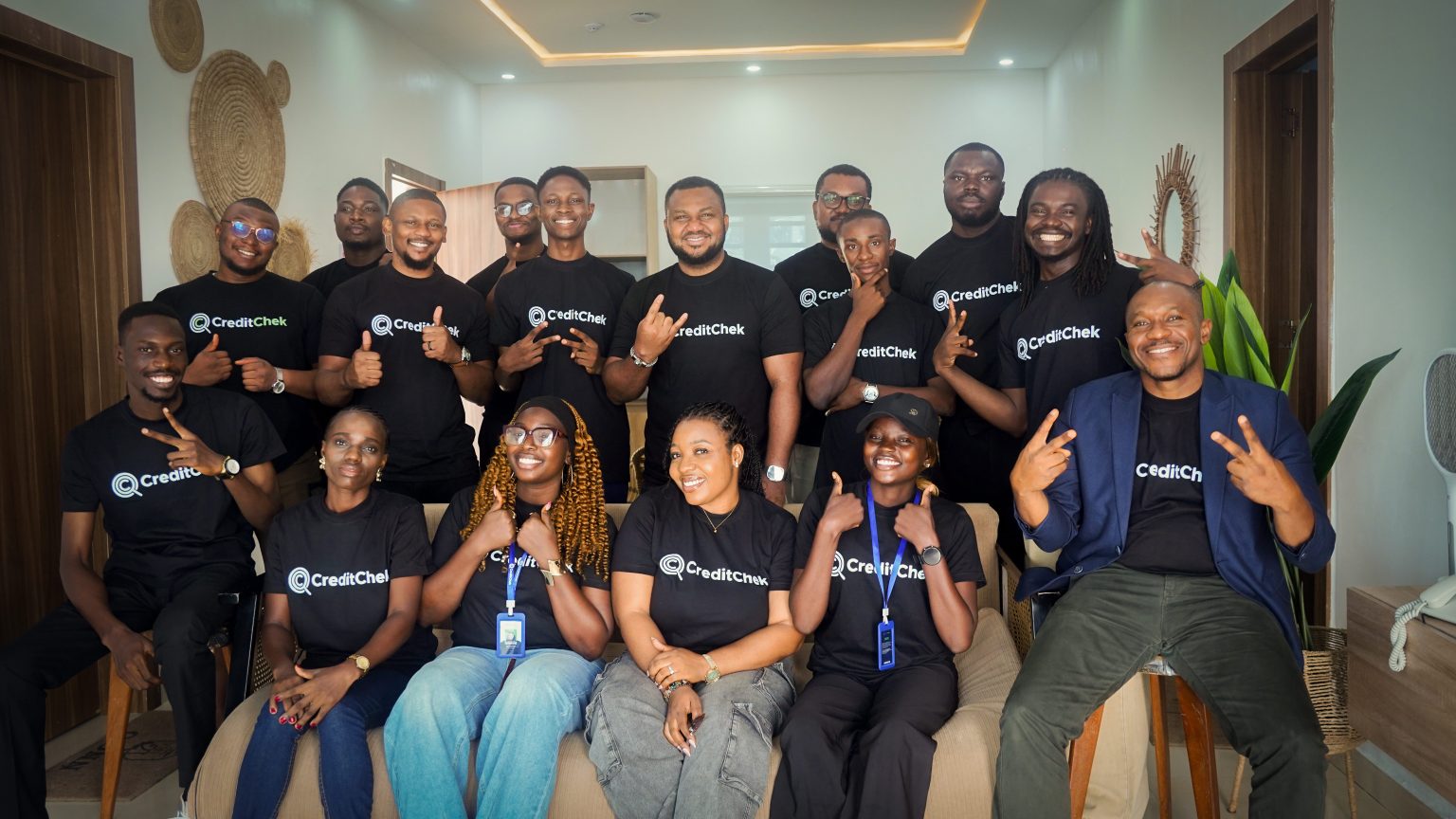
CreditChek has raised US$600,000 to expand its credit data infrastructure across East Africa. In fact, it points to a more important shift in African fintech. Investors now want businesses that fix the hard parts of finance, not only the visible apps that consumers tap every day.
The Nigerian startup, founded by Kingsley Ibe and Lionel Orishane, gives lenders one place to pull credit bureau data, analyse bank statements, verify identity, and feed lending activity back into the system. The company says it already powers more than 100 businesses. Disrupt Africa reports that it has processed more than US$60 million in credit applications across 1 million unique profiles and reached profitability in Nigeria.
Profitability in Nigeria tells investors that CreditChek is not selling a story alone. It is selling a working product that lenders already use when real money is on the line. In the current African funding market, that matters. Partech says African tech funding recovered in 2025, yet investors backed a smaller group of startups with stronger traction, governance, and scalability. Fintech still led the market with US$769 million in equity funding, but its share fell as the market grew more selective.
CreditChek is betting on the pipes
African fintech built its first big success in payments. The next phase looks different. BCG says Africa’s fintech revenue could reach about US$65 billion by 2030, but it also argues that the next wave depends on deeper infrastructure, better credit rails, and broader business use cases beyond person-to-person transfers. In plain terms, the easy payment win is already on the board. The next value sits inside underwriting, merchant finance, SME lending, and data sharing.
CreditChek fits that second wave well. Its product does not try to become the lender. It tries to become the layer that helps lenders make faster and cleaner decisions. That includes access to nationally accredited credit bureaus, automated statement parsing, identity tools, and what it calls Spectrum, a system that lets lenders share customer lending activity with credit bureaus. This kind of business grows slowly at first because it needs integrations, trust, and compliance. Once it works, it becomes harder to replace.
East Africa gives the company a serious next market
East Africa is a logical place to test this model. The region has deep mobile money usage and a long record of digital financial behaviour. The World Bank says financial inclusion in Sub-Saharan Africa has more than doubled since 2011, with 49 percent of adults now owning an account. Mobile money drove much of that growth. Yet borrowing still leans heavily on informal channels such as friends, family, and savings groups. That gap creates room for lenders that can read more signals and price risk better.
The same World Bank note shows how formal borrowing is improving in some markets. In Kenya, 47 percent of account owners borrowed formally in the 2021 survey, up 24 percentage points since 2017. That kind of market does not need another lecture on digital finance. It needs better tools that turn transaction history into usable credit insight. CreditChek’s East Africa move targets exactly that gap.
Founders now win by solving old credit problems with better data
Kingsley Ibe framed the problem clearly in announcing the round. He said high-quality credit data remains a major bottleneck for financial services growth across many African markets. That founder’s view feels grounded in the current market. The problem in African credit has never been demand alone. People and small businesses want loans. Lenders want growth. The friction sits in messy records, thin files, fraud risk, and slow checks across fragmented systems.
World Bank research backs that view. Its report on alternative data says combining newer data sources with traditional credit data improves model accuracy by 5 percent to 20 percent. For thin-file borrowers, the improvement can reach 25 percent. The report also says lenders can score about half of previously unscorable applicants when they use the right alternative data. That is not marketing copy. That is the core business case for infrastructure players like CreditChek.
CGAP reaches a similar conclusion. It says transactional data, such as sales, expenses, orders, and invoices, can predict creditworthiness as effectively as credit history for small businesses. It also says lenders can tailor repayment terms around cash flow patterns when they use this data well. In other words, better data not only help lenders avoid bad debt. It also helps good borrowers get products that fit how they actually earn and spend.
The business case goes beyond loan approval
A lot of people read credit infrastructure stories and think only about loan approvals. The bigger business value sits in unit economics. If a lender can verify identity faster, detect loan stacking earlier, parse statements automatically, and score risk with more confidence, it cuts review costs and reduces losses. CreditChek makes that pitch directly on its site. It says it helps lenders reduce fraud, save time, and improve cash flow insight through automated analysis.
That kind of gain matters in African fintech right now. Cheap growth no longer covers weak underwriting. Investors want lending businesses that can show discipline, not only customer acquisition. A startup that helps lenders make fewer bad decisions sits close to the money. That position tends to survive market cycles better than products built on incentives and fast user growth alone.
The next step is smarter data sharing with clear rules
The future angle here is AI plus consented data, standard APIs, and stricter rules. BCG says Africa’s next fintech phase needs transaction data to become a credit infrastructure. The World Bank and IFC make the same broad point. They argue that alternative data and AI can widen access to finance, especially for people and businesses that traditional scoring systems miss.
Still, better scoring does not excuse weak guardrails. The World Bank warns that alternative data can introduce bias, invade privacy, and create black box decisions that borrowers cannot challenge easily. It recommends clear legal frameworks, explicit consent, data blacklists for sensitive attributes, and explainable models. That is the real test for every credit infrastructure startup in the next few years. Growth will depend on trust.
CreditChek picked the right time to grow up
This round will not change African fintech on its own. It does show where smart money is looking. The first wave brought millions into digital payments. The next one will decide who gets formal credit, how fast lenders can underwrite, and how safely data can move across institutions. CreditChek is stepping into that fight with a product that speaks to lenders’ real pain points and with proof that it can build a working business in Nigeria first.
African fintech has entered a phase where infrastructure earns more respect than noise. CreditChek’s East Africa push is not just a funding update. It is a signal that the next strong fintech companies will win by making lending more accurate, more connected, and easier to trust.