
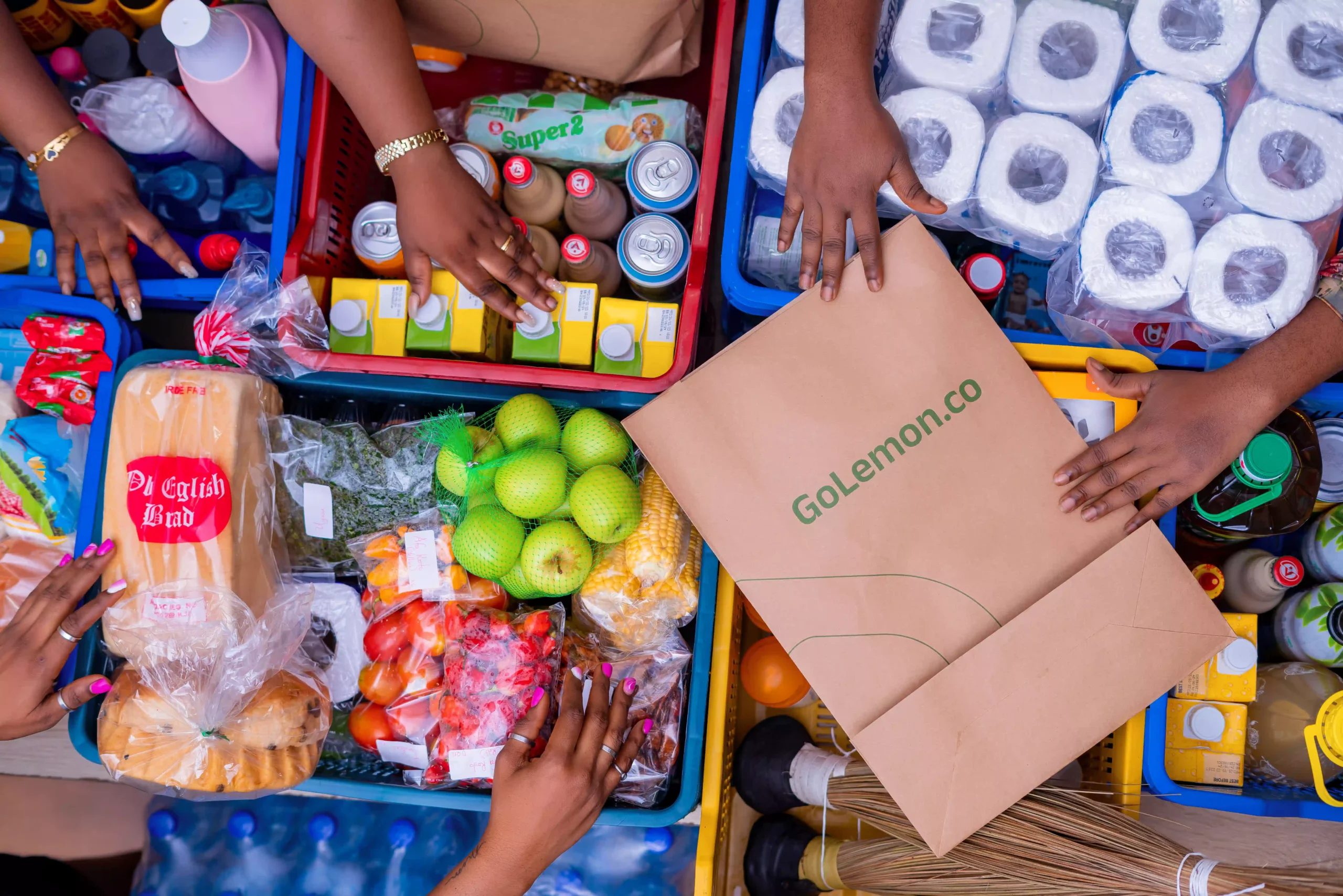
GoLemon, the Lagos-based grocery delivery startup founded by four former Paystack managers, has shut down after failing to raise the fresh capital it needed to keep operating. The company launched in 2024 and has stopped accepting new orders, with customer support closing fully on Sunday, August 2.
Why GoLemon Closed
The startup built its model around owning inventory and fulfilment directly, sourcing in bulk from farmers and fast-moving consumer goods manufacturers rather than reselling from supermarkets. That structure let GoLemon compete on price and quality, with orders typically arriving a day or two after purchase instead of same-day delivery.
Management said the business proved profitable on individual orders, with an average basket size of about ₦43,700 (roughly $32). What it could not do was reach the order volumes needed to cover the fixed costs of warehouses, engineering, logistics, and supply chain operations without another round of venture funding. Investor interest existed, but no deal closed before the company’s cash ran out. The macroeconomic climate for capital-intensive consumer startups had also grown considerably tougher since GoLemon’s 2024 launch, making the timeline needed to close a round harder to match against the runway left.
How the Wind-Down Is Being Handled
GoLemon says all outstanding customer refunds have been processed, and staff salaries have been paid on a prorated basis, with no debt left owing to suppliers or farmers. About one in five employees has already secured new roles, and leadership says it is actively helping the rest with placements and references. The company has called on other organisations hiring across fulfilment, engineering, product, growth, customer support, and finance to consider members of its team.
Customers with pending issues can still reach the company through in-app live chat until support closes on August 2. Farmers, suppliers, and other business partners have been directed to a dedicated email address for outstanding matters. GoLemon has also said it plans to publish a retrospective covering its operational lessons and unit economics once the wind-down process is complete.
Part of a Wider Pattern
GoLemon’s closure follows the March suspension of cloud kitchen startup FoodCourt, whose final Lagos and Abuja kitchens shut after unpaid salaries triggered staff strikes and mounting debt. Together, the two closures point to a harder question facing Nigeria’s food-tech sector: whether businesses that own and operate their entire supply chain, from sourcing to last-mile delivery, can scale profitably in the current funding environment.
Sub-Saharan Africa’s e-grocery and quick-commerce space has already seen major platforms retreat from the category. Jumia and Bolt have both wound down dedicated food and grocery arms in the past, citing unit economics that were difficult to sustain at scale. GoLemon’s exit adds to that pattern, reinforcing that grocery delivery carries some of the hardest economics in African e-commerce: perishable stock, high fulfilment overhead, and thin margins that only work at significant volume.