
Clean energy startup bPOWERd is expanding into Nigeria as demand grows for cheaper and more reliable alternatives to generators and unstable grid electricity.
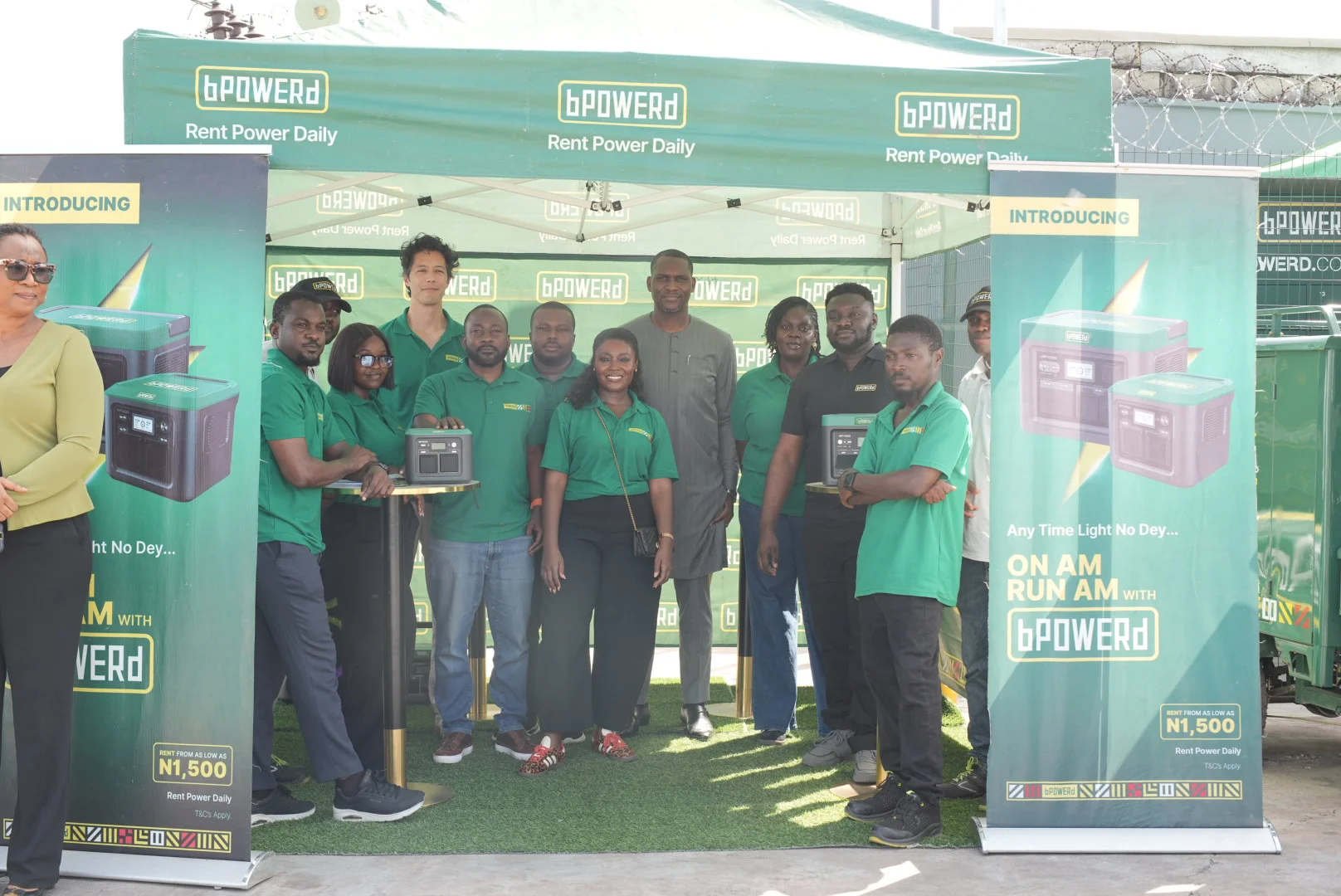
The company announced on Monday that it has established operations across seven initial locations in Lagos through a partnership with 11plc, the operator of Mobil service stations in Nigeria. The rollout marks the startup’s first major expansion outside South Africa, where it launched in 2025.
bPOWERd says it has already achieved 60% of its six month rental target within just seven weeks of entering the Nigerian market, an early sign of demand for alternative energy solutions in Africa’s largest economy.
Nigeria’s energy crisis continues to create opportunities for alternatives
Nigeria continues to struggle with a persistent electricity access gap. According to World Bank estimates, about 43% of the population lacks access to the national grid, while millions of connected users continue to experience frequent outages and inconsistent supply.
For households and small businesses, the result has been growing dependence on petrol and diesel generators, whose operating costs have surged following fuel subsidy removal and rising energy prices. Running a small generator in Nigeria can cost around ₦10,000 daily, according to figures shared by bPOWERd.
The country’s ongoing electricity challenges have also accelerated interest in solar and decentralized energy solutions, particularly among urban households and SMEs searching for more affordable and predictable power options.
How bPOWERd’s battery rental model works
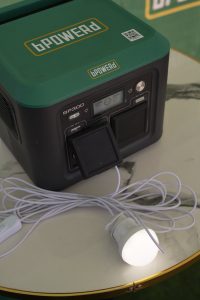
Instead of requiring customers to purchase expensive solar systems upfront, bPOWERd offers portable solar charged batteries through an on demand rental model.
Users pay a refundable ₦15,000 deposit before selecting a battery option based on their daily energy needs.
The smaller 300Wh battery starts from ₦1,500 per day, while the larger 1,000Wh option starts from ₦3,000 daily. According to the company, the larger battery can deliver up to 12 hours of electricity, representing roughly 70% savings compared to operating a small generator.
The batteries are designed to power essential appliances including lighting, televisions, fans, refrigerators, and small business equipment.
Expansion builds on growth recorded in South Africa
The Nigerian expansion comes after bPOWERd’s initial growth in South Africa, where the startup says it facilitated more than 125,000 rentals within its first 12 months of operation.
Nigeria represents a potentially larger market due to the scale of its electricity challenges and the millions of businesses that rely on costly fuel powered generators to remain operational.
The company’s partnership with 11plc also gives it access to a nationwide retail infrastructure through Mobil service stations, providing customers with accessible pickup and return locations for the batteries.
Company executives highlight affordability and job creation
Jonathan Lule, Managing Director at bPOWERd, said the company is focused on helping households and SMEs access dependable electricity without major upfront costs.
“Small businesses sit at the center of everyday economic activity, yet many continue to operate against the backdrop of unstable and expensive power,” Lule said.
“At a time of continued grid instability, bPOWERd is helping households and small and medium-sized enterprises access dependable pay-per-use power they can rely on.”
Oluwole Ogidan, Head of bp Global West Africa, said the rollout aligns with broader efforts to expand access to diversified energy solutions while also creating employment opportunities.
“Our focus is on delivering diversified energy solutions that are affordable, resilient, and adaptable to how people live and work,” Ogidan said.
“Beyond expanding access to reliable power, this rollout also supports the growth of a local green workforce through on site sales roles and partnerships with Nigerian solar technicians.”
Battery rental startups could reshape energy access in Africa
Nigeria’s clean energy ecosystem has witnessed increased activity in recent years as startups explore alternative ways to solve the country’s electricity problems.
While traditional solar installations remain expensive for many consumers, rental-based and pay-as-you-go models are increasingly emerging as lower barrier alternatives for households and small businesses.
For bPOWERd, the challenge will now be scaling operations sustainably while maintaining affordability in a highly competitive and cost-sensitive market.
Still, the company’s early traction in Lagos suggests that flexible clean energy services may increasingly become part of how African households and SMEs navigate unreliable electricity systems.