

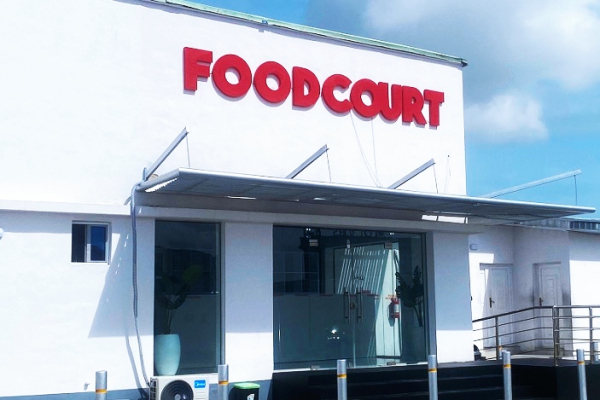
FoodCourt, the Nigerian cloud kitchen startup, has suspended operations across all its branches after months of unpaid salaries and mounting vendor debts pushed the company to a full stop.
How the shutdown unfolded
The trouble became visible to customers in early March 2026, when the FoodCourt app stopped processing orders. What customers didn’t see was that the company’s cooks, delivery staff, and suppliers, the people actually running its Lekki branch in Lagos, had gone unpaid for months and had gone on strike. The startup’s leadership switched off the app to stop new orders from coming in while it tried to sort out its finances.
By April 19, the last operating branch, in Lagos, had also shut down, following the closure of a second Lagos location. CEO Henry Nneji then sent a message to department heads confirming that operations across all branches, Obanikoro, Lekki, and Abuja, had been temporarily suspended, citing the company’s financial difficulties and its debts to staff and vendors.
Uneven pay and mounting frustration
Internal messages show that not everyone at FoodCourt was affected equally. Department heads, managers, and select team members reportedly continued receiving pay, while other staff waited months for salaries. One former employee said they only received their January pay in the third week of March, and considered themselves fortunate to have gotten anything at all, with February and March wages still outstanding.
A surprising fall for a company that called itself profitable
The shutdown caught many off guard. FoodCourt had said publicly that it was profitable in 2024, and it opened new branches in Abuja and a second Lagos location within 18 months, an expansion that suggested a company on solid footing rather than one headed for a shutdown.
Nneji had credited the startup’s Y Combinator backing with instilling financial discipline, saying the accelerator experience forced the company to be strategic with its money and to examine its unit economics and contribution margins closely to ensure it was running a sustainable business.
What went wrong
According to reports, FoodCourt’s profit margins shrank as operating costs, food, packaging, labour, refunds, and marketing rose faster than revenue per order could keep up. The company’s model required it to run several capital-intensive operations at once: cooking and packaging food, logistics, marketing, and customer support, all under one roof. Holding all of that together eventually proved unsustainable.
Nneji has described the company’s current restructuring effort as going beyond fixing finances, framing it as an attempt to improve internal systems, strengthen operations, and build a more resilient business for the long run.
A wider warning for Nigeria’s food-tech sector
Industry watchers see FoodCourt’s pause as a signal of broader pressure facing Nigeria’s venture-backed food-tech startups. With global venture funding tighter than it was a few years ago, companies that once relied on successive funding rounds to cover growth now have fewer options when revenue doesn’t keep pace with costs. That’s forcing startups across the continent to cut costs, restructure, or in some cases suspend operations entirely.
FoodCourt is reportedly seeking fresh capital while working through a restructuring plan to clear its debts and eventually resume service. Whether it succeeds may depend less on investor sentiment than on whether it can prove, this time, that its model can turn a sustainable profit in one of Africa’s toughest low-margin markets.