


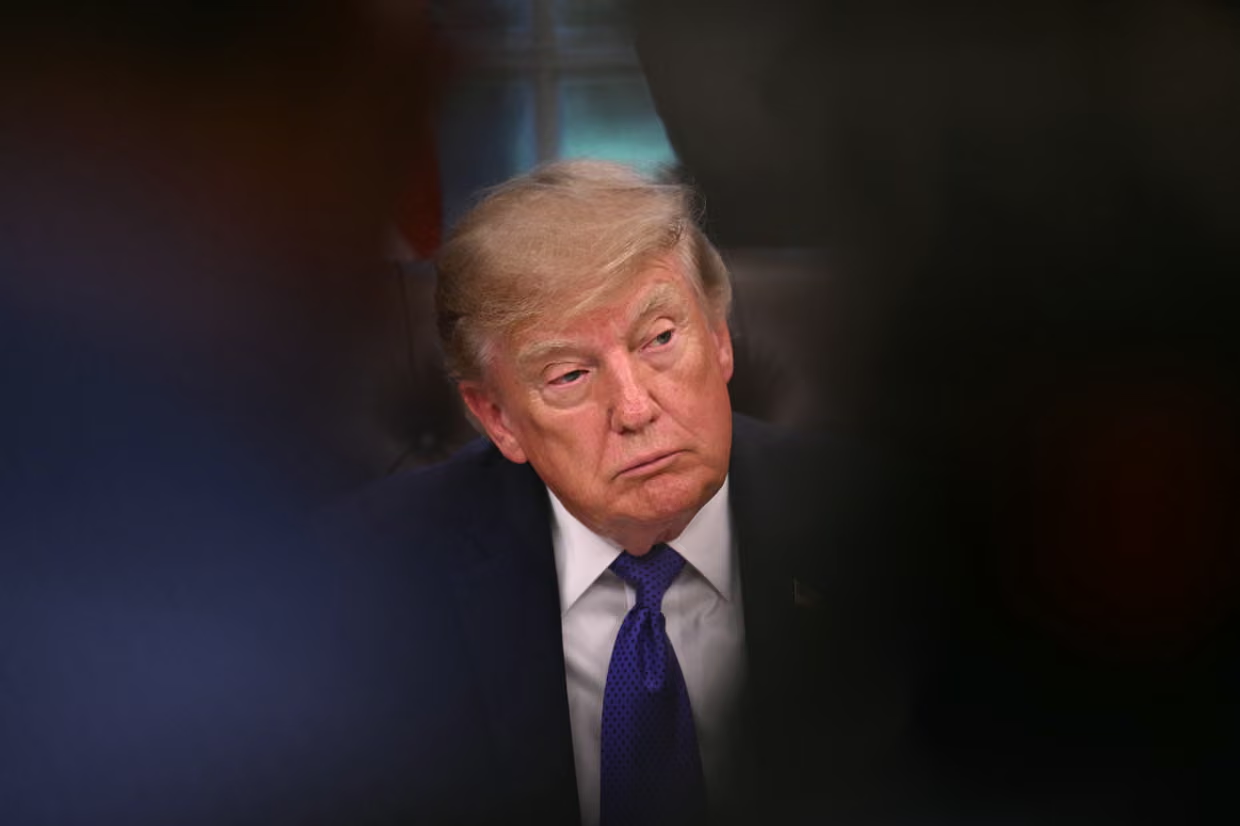
President Donald Trump has told federal agencies to stop calling artificial intelligence by that name. On 29 September, he signed an executive order titled “Inaugurating The Era Of Super Intelligence.” It directs the executive branch to use “Super Intelligence” and “SI” in official correspondence, public communications and policy documents, and to no longer acknowledge the terms “Artificial Intelligence” or “AI.”
The idea first surfaced a week earlier, when Trump told the UN General Assembly that US documents would adopt the new term and that he hoped the world would follow.
The Reasons Behind the Change
Trump’s main argument is about the word “artificial.” He has called the old name clumsy and said it makes the technology sound fake. He argues it no longer reflects what the systems can do.
The White House adds a policy case. Its fact sheet says the new name conveys the true capabilities of today’s technology, rather than suggesting it merely imitates or automates human intelligence. It also says the United States is the birthplace of AI and the world leader in it, so the government should use a name that reflects that. Agencies, it says, will stay focused on expanding what the technology can do for Americans.
Branding is also a familiar habit. Trump reportedly asked his social media followers to choose between “Super Intelligence” and “Superior Intelligence” before settling on the winner.
What the Order Actually Does
The order applies only to the executive branch. It does not change the law or bind private companies. It also tasks the president’s science adviser with proposing a federal definition of Super Intelligence, along with any further executive action needed to put that definition in place.
On the same day, Trump hosted a summit with leading technology executives. They signed a separate accord that Trump described as “morally binding,” which reportedly commits them to better controls and internal audits. It carries no legal force.
Why Critics Are Not Convinced
The biggest objection is that “superintelligence” already has a specific meaning in the tech world. It usually describes a hypothetical system that far exceeds human cognition in nearly every field. That idea sits at the centre of debates about whether the most advanced systems should be slowed or even banned. Trump does not appear to be using the word in that sense, which risks confusing public debate.
Political critics say the rename is cosmetic. A senior Democratic member of the Senate Intelligence Committee called the president unserious about AI’s risks, and others argue that changing the label does nothing to address them. Recent polls also show majorities of Americans are worried about AI and disapprove of how Trump has handled it.
What to Watch
The key detail to follow is the federal definition the science adviser must propose. If it stays vague, the new name will remain mostly a branding exercise. If it carries specific technical criteria, it could shape future rules for the industry. For now, Washington has a new word, and the harder question of what it means is still open.