
Lagos State is targeting a 6,000-kilometre fibre-optic network and a proposed 10% allocation of government procurement to startups, as part of plans to improve internet connectivity, support technology businesses and strengthen the state’s digital economy.
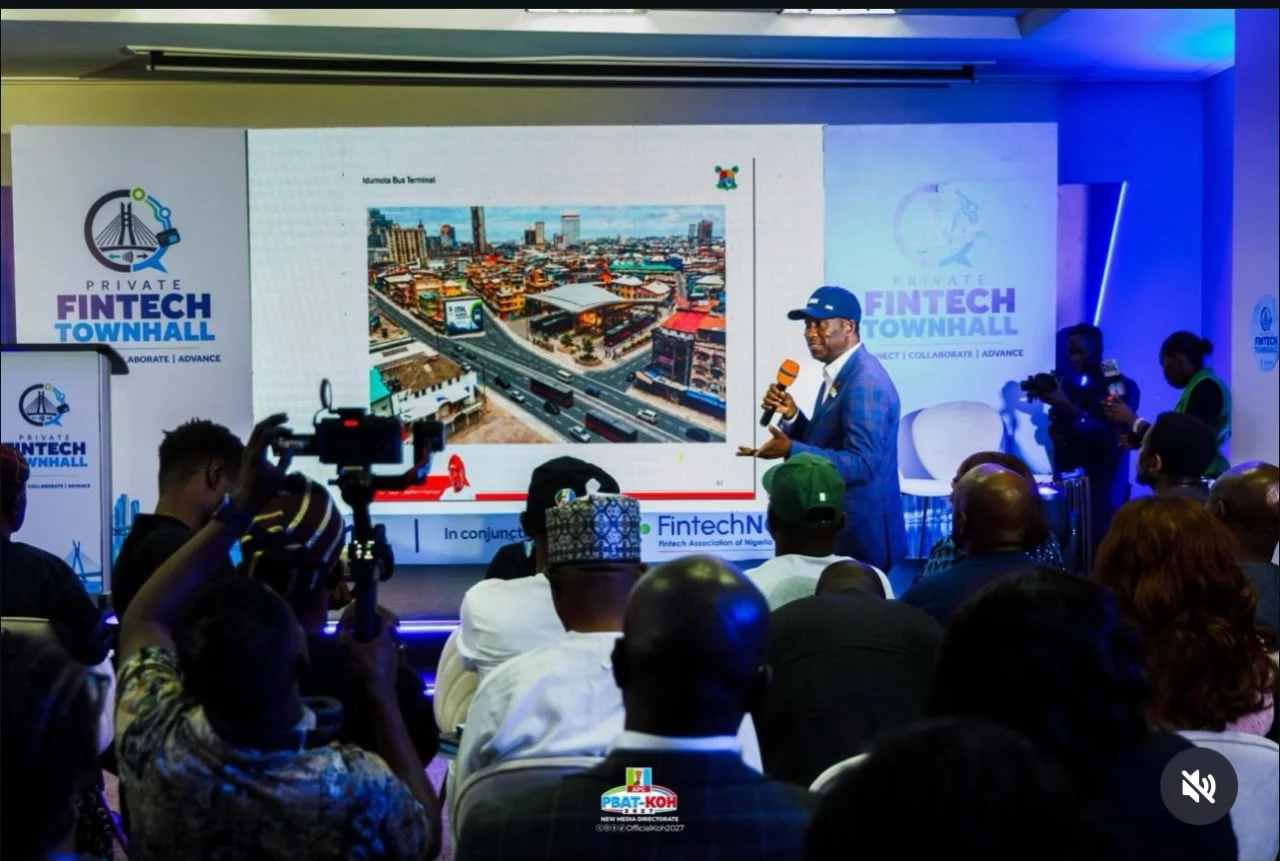
Deputy Governor Obafemi Hamzat disclosed the targets at a fintech town hall in Lagos on Friday, November 20, 2026, where government officials, investors and technology executives discussed priorities for the state’s 2027–2031 digital economy agenda.
According to Hamzat, Lagos is working with telecommunications operators and private-sector partners to expand its fibre infrastructure from approximately 2,400km to 6,000km.
He also outlined a proposal to direct 10% of government purchasing towards startups, with a target of paying participating businesses within 15 days.
The plans could create opportunities for Nigerian technology companies, although the procurement commitment has not been established as a binding statewide policy.
Lagos Targets 6,000km Fibre Network to Expand Broadband Access
Hamzat said the proposed fibre expansion would improve internet connectivity across public schools, government institutions and other facilities while supporting businesses that depend on reliable digital infrastructure.
Moving from 2,400km to 6,000km would represent an additional 3,600km of fibre, equivalent to a 150% increase over the baseline presented at the town hall.
The infrastructure is expected to be developed through collaboration with telecommunications companies and other private-sector partners.
For Lagos-based startups, improved broadband infrastructure could support cloud services, digital payments, software development and businesses requiring dependable internet connections.
However, expanded fibre coverage does not automatically guarantee cheaper internet access. The eventual impact on consumers and businesses will depend on network availability, last-mile connections, service pricing and the participation of telecom operators.
There is also a difference between the figures presented at the town hall and those in Hamzat’s published political agenda.
His earlier 2027–2031 manifesto proposed expanding fibre infrastructure from 2,700km to 6,800km, compared with the 2,400km-to-6,000km target announced on November 20.
No official reconciliation of the two sets of figures was provided at the event, and a completion date for the latest target was not announced.
Lagos Proposes Reserving 10% of Government Procurement for Startups
Beyond broadband infrastructure, Hamzat proposed directing 10% of government procurement towards startups and locally developed innovations.
The plan could allow emerging technology businesses to compete for government contracts, creating an alternative source of revenue beyond venture capital, grants and private-sector customers.
Hamzat also outlined a 15-day payment target for participating businesses, an arrangement that could ease the cash-flow pressures smaller companies face when serving institutional customers.
The proposal aligns with the Lagos First-Buyer Government Innovation Policy outlined in Hamzat’s published 2027–2031 agenda.
Under that framework, the state would serve as an early customer for locally developed technologies, helping startups establish commercial track records.
Government contracts can be particularly valuable for young companies attempting to demonstrate demand for their products before expanding to larger markets.
However, the proposed allocation raises important implementation questions.
Eligibility requirements, contract selection procedures, procurement transparency and payment enforcement would determine whether smaller startups can genuinely benefit.
The 10% procurement target remains a policy proposal, not an approved allocation under an existing procurement law. No definitive implementation timetable or operational guidelines were announced at the town hall.
348 Lagos Public Schools Still Lack Internet Connectivity
Improving digital access in public schools is another objective of the proposed infrastructure expansion.
Hamzat disclosed that approximately 680 of Lagos State’s 1,028 public schools currently have internet connectivity.
That leaves 348 schools, representing roughly 34% of the total, without internet access, based on the figures presented.
The state intends to extend connectivity to the remaining schools as part of its wider digital infrastructure efforts.
Reliable internet access could support digital learning, online educational resources and technology-based school administration.
However, connecting schools will require more than fibre deployment. Electricity, networking equipment, maintenance and recurring connectivity costs will also influence whether students and teachers can consistently use digital services.
The government has not announced a specific deadline for connecting all remaining schools.
Lagos Plans to Connect Government Agencies Through APIs
Hamzat also disclosed that Lagos is developing an enterprise architecture designed to improve information sharing among ministries, departments and agencies.
The proposed system would use application programming interfaces (APIs) to connect government databases, enabling authorised agencies to access information without repeatedly requesting the same documents from residents.
The initiative is expected to reduce duplication and improve administrative efficiency.
Hamzat said Lagos currently has approximately eight million registered residents, a figure he described as below the state’s estimated population.
Improving the accuracy and accessibility of government data could help agencies make better decisions on infrastructure, education and public services.
For technology businesses, interoperable government systems could eventually create opportunities to build digital public-service applications.
However, greater data sharing will also require safeguards covering cybersecurity, privacy and access to sensitive personal information.
Flutterwave, Paystack, Moniepoint and Other Fintechs Join Lagos Digital Economy Talks
The November 20 town hall brought together representatives from Nigeria’s technology and financial services industries.
Participating organisations included Flutterwave, Paystack, PiggyVest, Kuda, PalmPay, Mastercard, Visa, Oracle, Interswitch, OPay, Moniepoint, Paga and Meristem.
The event, organised by MyCard Global in collaboration with the Fintech Association of Nigeria, focused on closer cooperation between government and the private sector.
Flutterwave co-founder Gbenga Agboola called for more predictable government policies and better coordination among regulatory agencies.
He argued that businesses require consistent rules to make investment decisions, particularly when obtaining licences and regulatory approvals.
The discussions also covered taxation, research commercialisation, digital infrastructure and the integration of technology into government services.
What the Proposals Mean for Nigeria’s Startup Ecosystem
For Nigerian startups, the two proposals address different challenges that can limit business growth.
The fibre expansion is intended to improve the infrastructure on which digital businesses depend, while the procurement proposal could create demand for products developed by local technology companies.
Both could have implications beyond Lagos, given the concentration of Nigerian fintech companies, investors and technology service providers operating in the state.
Yet the potential benefits remain dependent on execution.
For the fibre project, important questions include its funding, completion schedule, geographic coverage and impact on broadband affordability.
For the startup procurement proposal, the key issues are which companies qualify, how contracts will be awarded and whether the 15-day payment target can be enforced.
The distinction is particularly important because the town hall formed part of consultations around Lagos’s proposed 2027–2031 digital economy agenda, rather than the announcement of a fully approved government programme.
For now, Hamzat’s targets indicate the direction being discussed for Lagos’s digital economy. Their significance for startups will depend on whether they are translated into funded infrastructure projects, transparent procurement opportunities and measurable improvements in connectivity.