

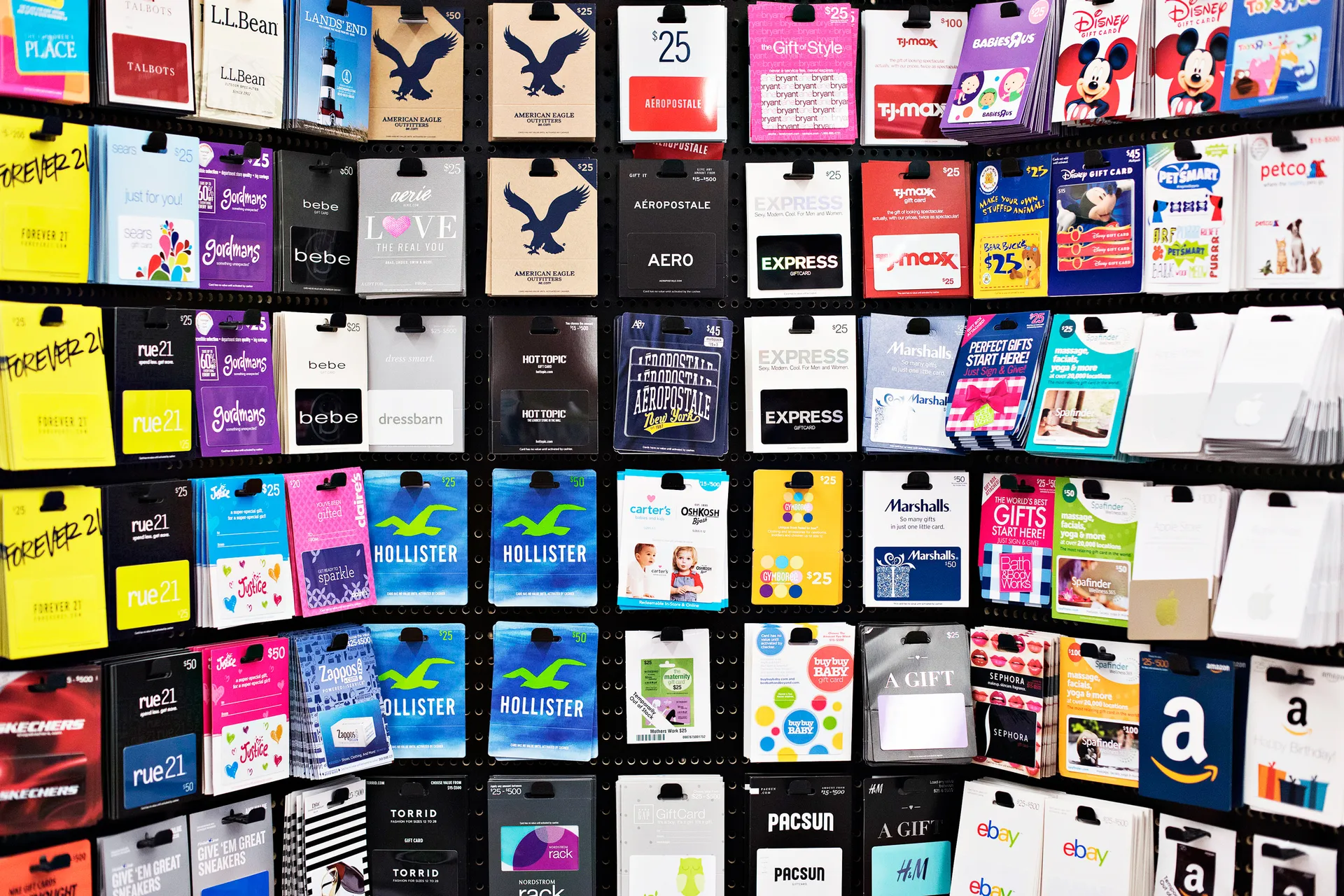
Gift card platforms in Nigeria operate in an awkward legal space. Selling a card you got honestly is ordinary commerce. Selling a card taken from a scam victim is money laundering. The same app can serve both kinds of users, and recent enforcement shows how thin that line can look to investigators and courts.
A legitimate market built on dollar scarcity
Market estimates value Nigeria’s gift card sector at over $2 billion in 2025, though these figures come from research projections rather than official data. Demand has two main drivers. Many Nigerians use foreign cards to pay for gaming, app stores and other services that local bank cards often cannot reach. Others treat cards as a substitute for foreign exchange, selling a $50 card for naira.
The lawful users are easy to picture: someone holding a gifted card they cannot use, a freelancer paid in vouchers, a relative abroad sending value home. Many trading apps now ask for a BVN, government ID and a selfie before a user can cash out, according to industry reporting.
Where the law bites
In practice, fraud and money laundering rules do the work. A recent case shows how. On October 30, a Federal High Court in Lagos convicted an 18-year-old under the Money Laundering (Prevention and Prohibition) Act, 2022, for disguising the origin of $800 in gift cards. The EFCC said he posed as a woman online, told an American victim he had won a lottery, and got him to send gift cards. He then sold them through a trading app and moved the naira into a relative’s account.
The court fined him N200,000, ordered N1 million in restitution and forfeited his phones. The reported charge was against the seller, not the app.
The scam economy next door
Gift cards suit fraudsters because they carry no registered owner and convert to cash quickly. An EFCC report in 2021 found gift cards were the most common way cybercriminals accessed illicit proceeds, at 39 percent of funds. That figure is dated, but the pattern persists in romance scams, impostor demands and sextortion.
Fraud also hits ordinary sellers. Some social media buyers offer attractive rates, collect card codes, and vanish without paying. Honest traders can be victims too.
The enforcement controversy
The EFCC’s October 26 raid on a Lekki estate shows the tension. Operatives arrested 21 people suspected of fraud involving gift cards, crypto and impersonation, and later said 19 were indicted. The commission insisted the operation involved no harassment, intimidation or unlawful arrest.
The open question is how investigators separate fraud proceeds from lawful trading when both leave similar digital traces. Many young Nigerians trade cards and crypto legitimately, so the answer matters for due process.
What platforms and users should do
For platforms, the safest course is strong identity checks, close monitoring of unusual volumes and quick cooperation with law enforcement. Industry reporting suggests anti-money laundering rules expect enhanced checks on high-risk transactions.
For users, the advice is simple. Sell only cards you can trace to a purchase or genuine gift, keep receipts and messages, and avoid buyers whose rates look too good. Anyone asked to sell cards on behalf of a stranger should treat that as a warning sign.