
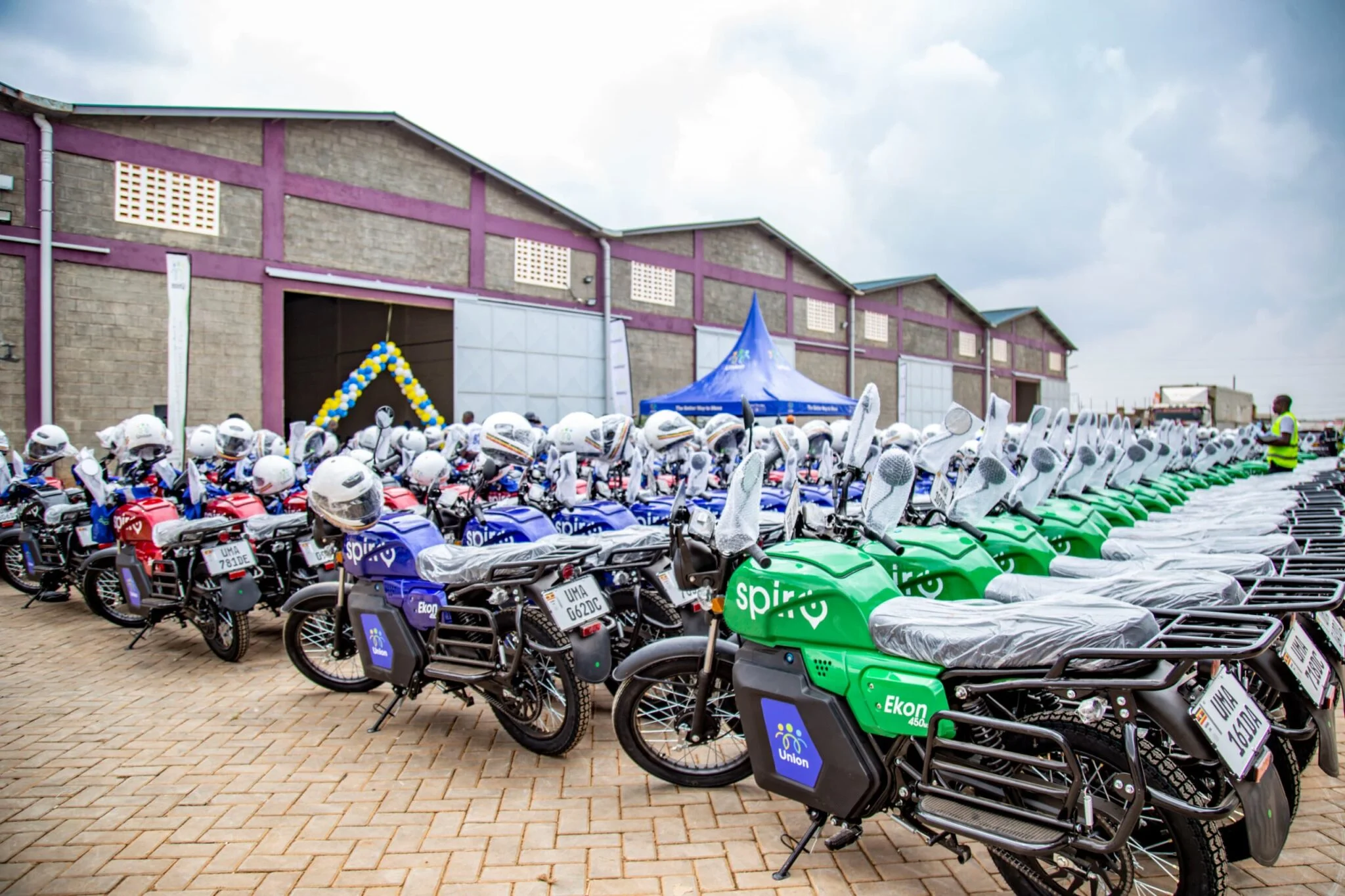
Spiro has officially entered Ghana, putting its first 100 electric motorcycles on the road in Accra as it widens its battery-swapping model across West Africa.
A Convoy Through Accra
The launch on 20 October 2026 was held under the theme “The First 100: Powering a New Era of Mobility in Ghana.” It featured a symbolic key handover to the first ten riders, followed by a convoy of all 100 bikes through the capital.
The motorcycles are the Ekon 450 M1 V3, aimed mainly at commercial riders and delivery fleets in Greater Accra. Spiro says it will keep running test rides and product demonstrations across the region to win over more customers.
How Battery Swapping Works
Riders do not charge their bikes at home. They pull into a Spiro swap station and exchange a drained battery for a charged one in about two minutes. For a rider who earns by the trip, that means less time waiting and more time working.
Spiro says the system can cut daily running costs by up to $2 compared with a petrol motorcycle. Company statements also put the operating cost savings at up to 40%. These are the company’s own estimates, and real savings will depend on how far a rider travels, local electricity costs and swap pricing.
Local Assembly and Energy Hubs on the Way
Earlier this month, Spiro confirmed plans to assemble motorcycles in Ghana instead of only importing finished units. The company also plans energy hubs, spare-parts supply, technician training, and dedicated customer service for riders and fleet operators.
These are plans for now. Spiro has not given a timeline or location for assembly, and the 100 bikes on the road should be read as an entry point, not a nationwide rollout.
Part of a Bigger African Push
Ghana joins a company that says it operates in seven African markets, with more than 156,000 electric motorcycles and over 2,500 battery-swapping stations. Spiro has said it wants to expand into 20 markets by 2027. Its current footprint includes Kenya, Uganda, Rwanda, Nigeria, Benin, Togo and Cameroon.
What Ghanaian Riders Should Watch
The promise is lower running costs and less downtime. The open questions are upfront price, how battery ownership and replacement will work, how quickly swap stations spread beyond Greater Accra, and whether the power supply can handle a growing network.
If Spiro delivers the local assembly and station coverage it has promised, the first 100 bikes could become the base for a much larger shift in how Ghana’s commercial riders move.