
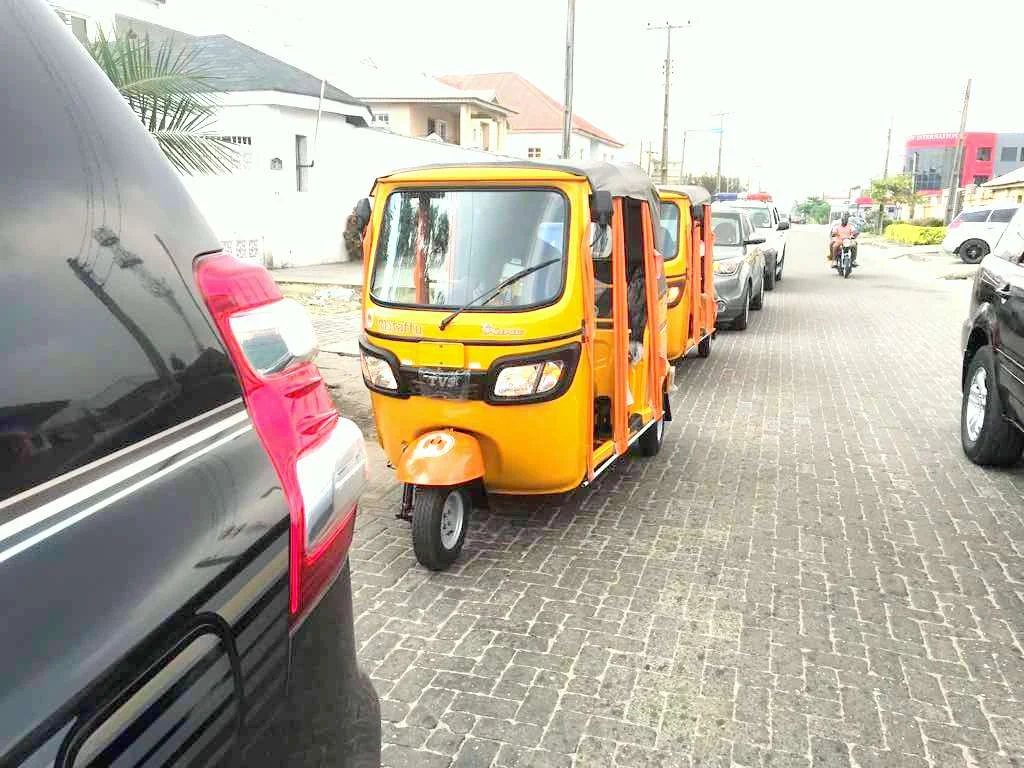
inDrive has added tricycles to its Nigerian lineup, extending its fair-price ride model to one of the most common ways Nigerians get around their neighbourhoods.
What inDrive Has Launched
The mobility and delivery platform has launched a tricycle service called Keke in Nigeria, bringing its fair-price model to three-wheelers and giving commuters a more affordable option for shorter trips. The company says the move responds to rising demand for accessible and safe transport, especially among people who travel short distances.
Built for Short Distances
The keke option is designed for trips within an estimated 6 to 7 kilometre radius. That limit reflects the rules kekes already operate under. The service will focus mainly on shorter trips because of existing restrictions on keke operations along certain major roads and highways. Several Nigerian states and cities limit tricycles in central districts or on major corridors, so keeping rides short keeps the service within those rules.
What the Company Says
inDrive Nigeria’s country manager, Timothy Oladimeji, said the launch takes the company’s fair-price approach to a familiar and widely used mode of transport. He added that the service gives passengers an accessible option for short trips and creates extra earning opportunities for drivers. He also stressed that the company is introducing the service within applicable regulations.
Why It Matters
inDrive built its name in Nigeria on letting passengers and drivers negotiate fares instead of accepting an algorithm’s price. The app launched in Lagos in 2019. It later grew from four to 15 additional Nigerian cities and added a freight service. In Abuja, it received a licence to operate public transport services in 2024. Tricycles add another layer to that spread, and they put the company in direct contact with a vehicle type that thousands of daily commuters already trust for short hops.
For drivers, the appeal is an extra channel for customers beyond street hailing. For passengers, the promise is a lower-cost option for errands and short commutes. Whether either benefit holds will depend on pricing, driver uptake and how closely the service follows local rules.