

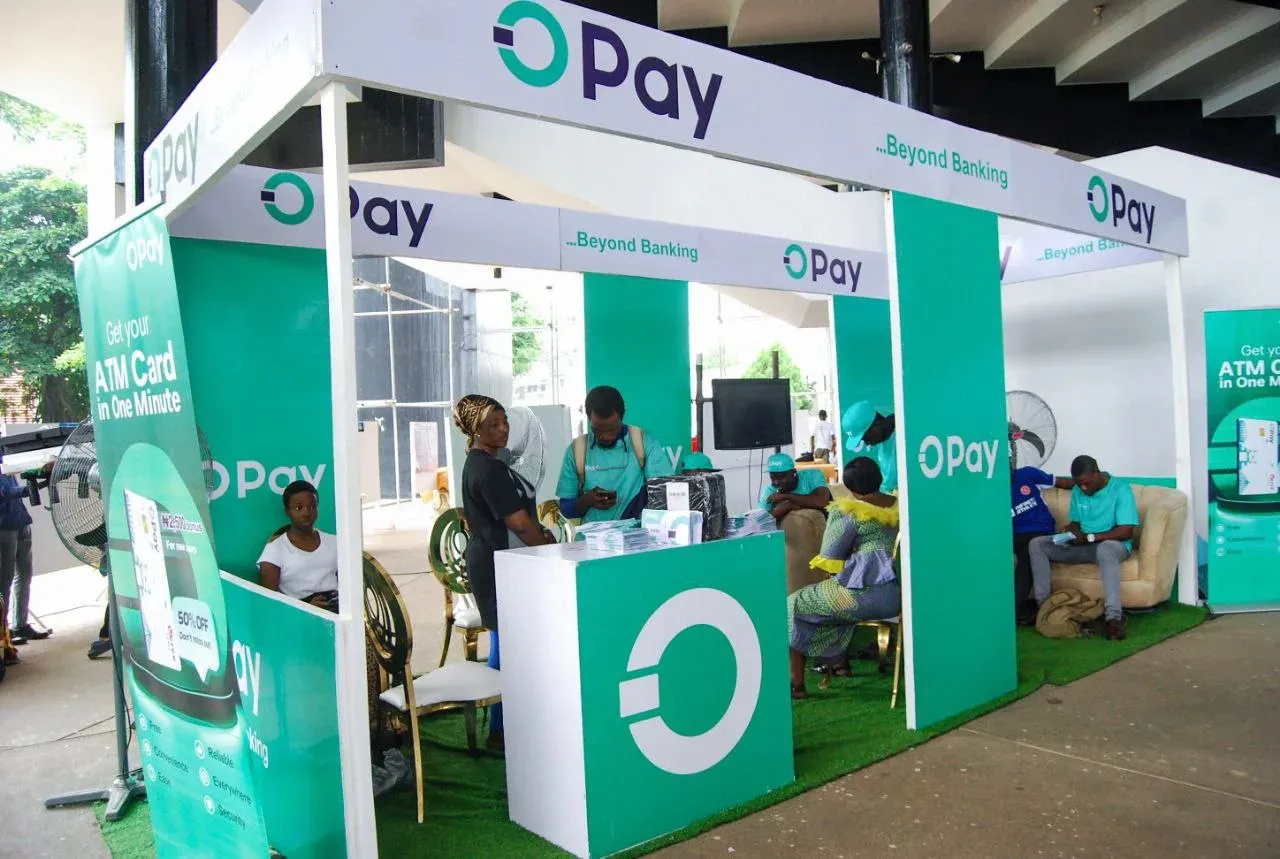
Every day for six months, OPay pushed out about $5.1 million in fresh loans in Nigeria. Most people still call it a payment app. Its latest filing suggests that label is out of date.
What the Numbers Say
OPay’s registration statement, filed with the US Securities and Exchange Commission on 9 October, covers January to June 2026. In Nigeria, lending earned the company $236.12 million, while payments earned $130.55 million. Lending brought in about 1.8 times what transfers did.
Of the $467.1 million OPay earned in total over the period, payments now make up roughly 28 cents in every dollar.
New loans issued in Nigeria reached $927.63 million, against $305.12 million in the same half of 2025. That is a threefold jump in a year. Divide the figure by the 181 days in the period, and you get $5.1 million a day.
A Business That Is Clearly Working
Revenue rose 136.5% compared with the first half of last year. Net profit climbed from $21.71 million to $90.87 million. OPay says higher income from loans and transaction services drove the growth. Nobody can claim the business is struggling.
Nigeria Carries the Whole Thing
Nigeria produced 89.5% of OPay’s revenue in the half-year. The company plans to list in New York, and it has secured approvals to pursue a secondary listing on the Nigerian Exchange afterwards. A firm listing abroad earns almost all its money in Nigeria, and a growing share of that money comes from lending.
Could the Economy Be Pushing Nigerians Toward Digital Loans?
The filing does not say so, and nothing here proves it. But the economic backdrop deserves attention.
Inflation has cooled to 15.39% in August. Prices are still rising, though, and the monthly rate was a steep 1.57% in July before easing to 0.71% in August. Households that have lived through years of price shocks may still be stretching to cover rent, school fees and food.
Formal credit has also stayed expensive. The Central Bank kept its benchmark rate at 26.5% for months, then cut it to 23% on 22 September. Bank lending rates have been slow to follow. The average maximum lending rate was about 29% in August, and at least one major bank official has said there are no plans yet to lower loan rates.
When a bank loan is costly and slow, a loan that arrives on your phone in minutes becomes attractive. Demand for small, fast credit looks strong. OPay reports 4.6 million quarterly unique borrowers in Nigeria.
What This Means for Everyday Users
Easy credit can be a useful bridge for a trader restocking or a family covering an emergency. It can also become a habit, especially when the underlying pressure is the cost of living and not a one-off shortfall.
The bigger point is about identity. On these numbers, the app on your phone earns more from lending to you than from moving your money. That is not wrong in itself. But borrowers deserve to know it, to read the terms carefully, and to ask whether a convenient loan is solving a problem or only postponing it.
OPay’s rise, however, shows how much of Nigeria’s financial life has moved onto phones.