

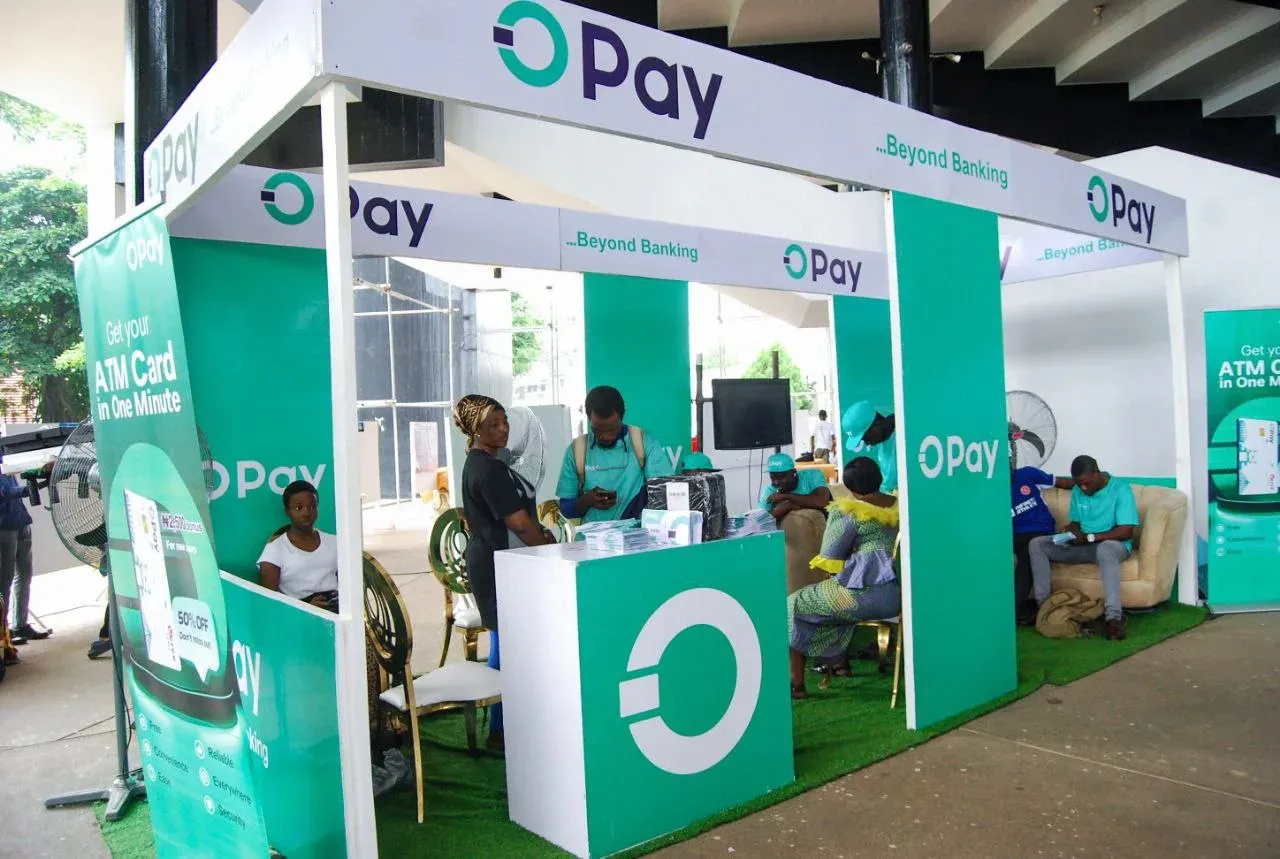
OPay Digital Services Limited spent the last two days of August fighting a rumour it did not start. A viral post falsely claiming the fintech would shut down operations from September 1, 2026, and urging customers to withdraw their funds forced the company into a public denial, a formal legal warning, and a scramble to reassure millions of users that their money was safe.
The episode is a clear illustration of how quickly misinformation can threaten a Nigerian financial brand’s standing and bottom line, especially in a market where trust is the main currency fintechs trade in.
How the Rumour Spread
The false notice, styled as an “Official Note” from OPay, began circulating widely on social media and messaging platforms over the weekend. It claimed the company would stop processing transactions and providing account services indefinitely, and it explicitly told customers to move their money elsewhere before the supposed shutdown.

OPay responded first with a public statement dismissing the claim as false, confirming that its offices in Lagos, Abuja, and other locations remained fully open and operational. When the rumour persisted and was traced to an X user identified as Cute Hafserh, the company’s legal team escalated. A formal letter dated August 31, signed by Chief Legal Counsel Akinfolabi Moses Rokosu, described the post as false, malicious, unlawful, libellous, and defamatory, and demanded its deletion, a public retraction, and an unreserved apology before 11:59 PM that day.
The user later complied, taking down the post and acknowledging that the claim was false and misleading.
Why the Stakes Were So High
For a digital-only bank, a rumour about an indefinite shutdown is not a minor irritant. It strikes directly at the one asset a fintech cannot operate without: customer confidence in the safety of their deposits. OPay serves a large base of everyday users who rely on the platform for transfers, payments, and savings, meaning even a short-lived panic can trigger real withdrawal behaviour before a company gets the chance to correct the record.
That is precisely what OPay’s legal letter pointed to when it stated that the publication had caused reputational and commercial damage to the company. In a sector where switching to a competing platform takes minutes, a single viral post carries the potential to move real money and dent customer retention within hours.
A Recurring Pattern for Nigerian Fintechs
This was not an isolated incident for OPay. The company faced a similar false narrative in March 2026, when reports claimed its offices had been sealed over an alleged regulatory dispute, a claim OPay also had to publicly refute. The recurrence suggests that large digital finance brands in Nigeria remain frequent targets for fabricated claims, whether from misinformation, coordinated mischief, or simple rumour amplified by social media’s speed.
What It Means for the Broader Fintech Space
The incident underscores a structural vulnerability facing Nigeria’s fintech industry. Digital banks and payment platforms operate almost entirely on perception and trust rather than physical branches customers can walk into for reassurance. That makes them especially exposed to viral misinformation, and it raises the cost of any delay in response.
OPay’s swift combination of a public denial followed by a formal legal notice reflects an increasingly common playbook among Nigerian fintechs: get ahead of the narrative publicly first, then pursue legal accountability against the source. Whether that approach is enough to deter future rumours remains to be seen, but the speed and force of OPay’s response signal how seriously fintech operators now treat reputational threats born entirely on social media.