

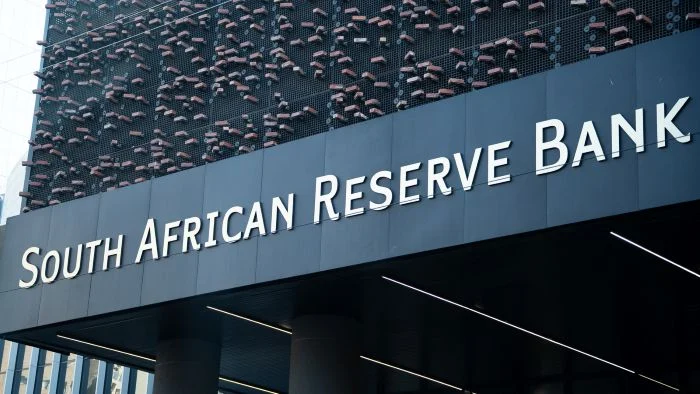
The planned reform, announced by the South African Reserve Bank (SARB) on October 16, 2026, would mark a major shift in a payments industry where traditional banks have historically controlled access to critical clearing and settlement infrastructure.
Under the proposed framework, eligible non-bank companies would be able to connect directly to the country’s national payment infrastructure, potentially reducing operating costs and creating new opportunities for digital financial services.
According to Reuters, Pradeep Maharaj, executive director of SARB’s Payments Ecosystem Modernisation programme, said the central bank expects to publish rules governing payment activities and exemptions by November 2026.
The regulator expects licensed non-bank participants to begin going live around March 2027, with testing and technical integration supporting a broader rollout by the middle of the year.
What Changes for Fintech Companies?
Currently, many non-bank payment providers in South Africa depend on licensed commercial banks to access essential payment infrastructure.
This arrangement means fintech companies often require banking partnerships to offer certain payment services, adding costs and limiting their operational independence.
The proposed changes would allow qualifying companies to perform certain financial activities independently, subject to regulatory approval.
Under the central bank’s modernisation programme, the framework is expected to cover activities including electronic money issuance, merchant payment acquiring and payment initiation.
Rather than regulating businesses primarily according to whether they are banks or fintech companies, SARB intends to adopt an activity-based approach, applying regulatory requirements according to the financial services each company provides.
This could benefit businesses operating digital wallets, mobile money platforms and merchant payment services.
Telecommunications companies such as MTN, which already has an established mobile money business across Africa, could also benefit from broader access to payment infrastructure if they meet the new licensing requirements.
However, direct access would not mean operating without regulatory oversight. Participating companies would still need authorisation and must comply with applicable financial system requirements.
South Africa Wants Cheaper and Faster Digital Payments
The changes are part of SARB’s broader Payments Ecosystem Modernisation programme, which aims to reduce dependence on cash, encourage competition and make digital transactions more accessible.
The central bank is also working to expand PayShap, South Africa’s instant payment service.
PayShap currently processes approximately 60 million transactions monthly, with the regulator targeting 500 million monthly transactions by 2029.
Allowing more companies to participate directly in payment processing could help expand the service’s reach, particularly among small businesses and consumers underserved by traditional banks.
The central bank also plans to introduce a standardised QR payment system, making it easier for merchants to accept digital transactions across different financial platforms.
For consumers, increased competition could eventually mean lower transaction fees and more payment options, although those benefits will depend on how the reforms are implemented.
A Bigger Shift in African Fintech Regulation
South Africa’s proposal reflects growing efforts across Africa to make digital payment infrastructure more accessible to financial technology companies.
In markets such as Nigeria, fintech businesses including OPay, PalmPay and Moniepoint have expanded access to digital financial services, particularly for consumers and small businesses.
South Africa’s reforms could create additional opportunities for similar business models by allowing licensed non-bank operators to participate more directly in payment clearing and settlement.
The development could also encourage greater competition between established financial institutions and technology-driven payment providers.
However, the reforms remain subject to final regulatory arrangements.
In September 2026, SARB completed the transfer of payment system management functions from the Payments Association of South Africa to the central bank and PayInc, strengthening its oversight of national payment infrastructure.
The planned opening of the system to non-bank participants represents another step in that restructuring.
For South African fintech companies, the key milestone will be the publication of the new licensing rules and the first operational approvals expected in 2027.
If implemented as planned, the changes could reduce dependence on bank sponsorship and give fintech companies greater control over how they deliver payment services.