
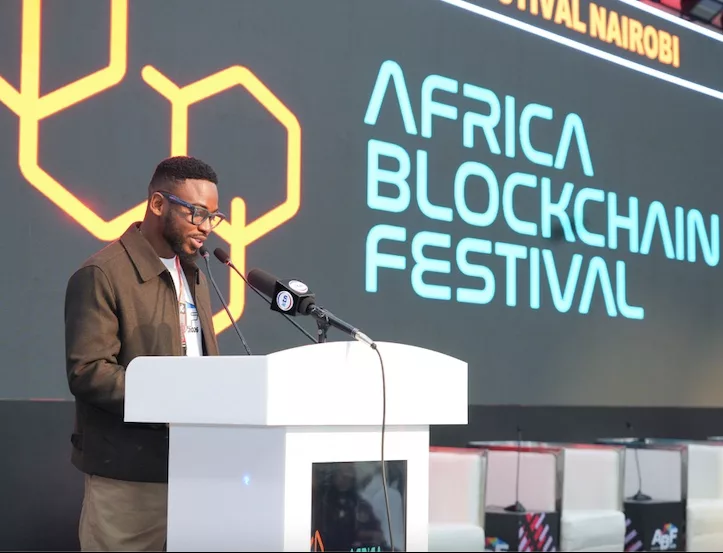
Nairobi spent three days this week at the centre of Africa’s blockchain conversation. The Africa Blockchain Festival, held at the Sarit Expo Centre from October 15 to 17, wrapped up with a clear message from organisers: the industry wants to be judged on what it builds, not on token prices.
A Bigger Stage for the Second Edition
This was the festival’s second edition, following its debut in Kigali, Rwanda. It ran under the theme “Capital, Code and Continuity: Building Africa’s Permanent Digital Economy” and was co-hosted with the World Token Summit, which made its first African appearance through the partnership. Organisers had targeted more than 3,000 attendees from Africa, Europe, the Middle East, Asia and North America. Final attendance figures had not been published at the time of writing.
Capital Took Centre Stage on Day One
The opening day focused on funding. Organisers selected 50 African founders for a fellowship that included startup pitches, scheduled investor meetings and a deal book listing investment opportunities. American venture capitalist Tim Draper was among the investors present. He argued that Africans are already using Bitcoin to transact and take part in global markets.
The pairing of founders and funders speaks to a stubborn problem. Many African blockchain startups struggle to raise growth capital, and unclear rules make investors cautious. Organisers said the programme was designed to keep these relationships alive well beyond the event.
Builders and Regulators Shared the Second Day
Day two moved to technical and policy questions. Sessions covered stablecoins, cross-border payments, digital identity and how emerging technologies should be regulated. Artificial intelligence and data protection also featured, with speakers examining how governments and businesses can comply with data laws while adopting new tools.
The festival’s title sponsor, Inkryptus, ran a workshop introducing newcomers to digital assets and their uses. There was also a session on the creator economy, looking at how digital content creators can earn income while keeping ownership of their work.
Regulators were part of the programme. The line-up announced ahead of the event included Nigeria’s Securities and Exchange Commission Director General, Emomotimi Agama, and the head of the Nairobi International Financial Centre.
Regulation Is the Story Behind the Story
The timing mattered for the wider region. Tanzania’s central bank has completed an assessment of virtual assets and drafted a regulatory concept for cryptocurrencies and stablecoins, now with the Ministry of Finance. Festival organisers said clear rules give serious entrepreneurs and investors the confidence to build, and Tanzanian innovators were reported to be targeting Nairobi as a gateway to the wider continental ecosystem.
What to Make of the Claims
Much of the pre-event material was supplied by the organisers, including sponsored press content, so attendance targets and ambitions should be treated as goals rather than results. The measurable outcomes to watch are how many of the 50 fellows close funding, and whether the regulatory conversations lead to policy movement in East and West Africa.
What Comes Next
Attention now shifts to Lagos, where Blockfest Africa returns for its second edition on October 22 and 23 at the National Art Theatre under the theme “New Trade Routes: Bringing Africa Onchain.” Between Nairobi and Lagos, the direction is consistent. Africa’s blockchain sector is moving away from speculation and toward payments, trade, ownership and infrastructure.