
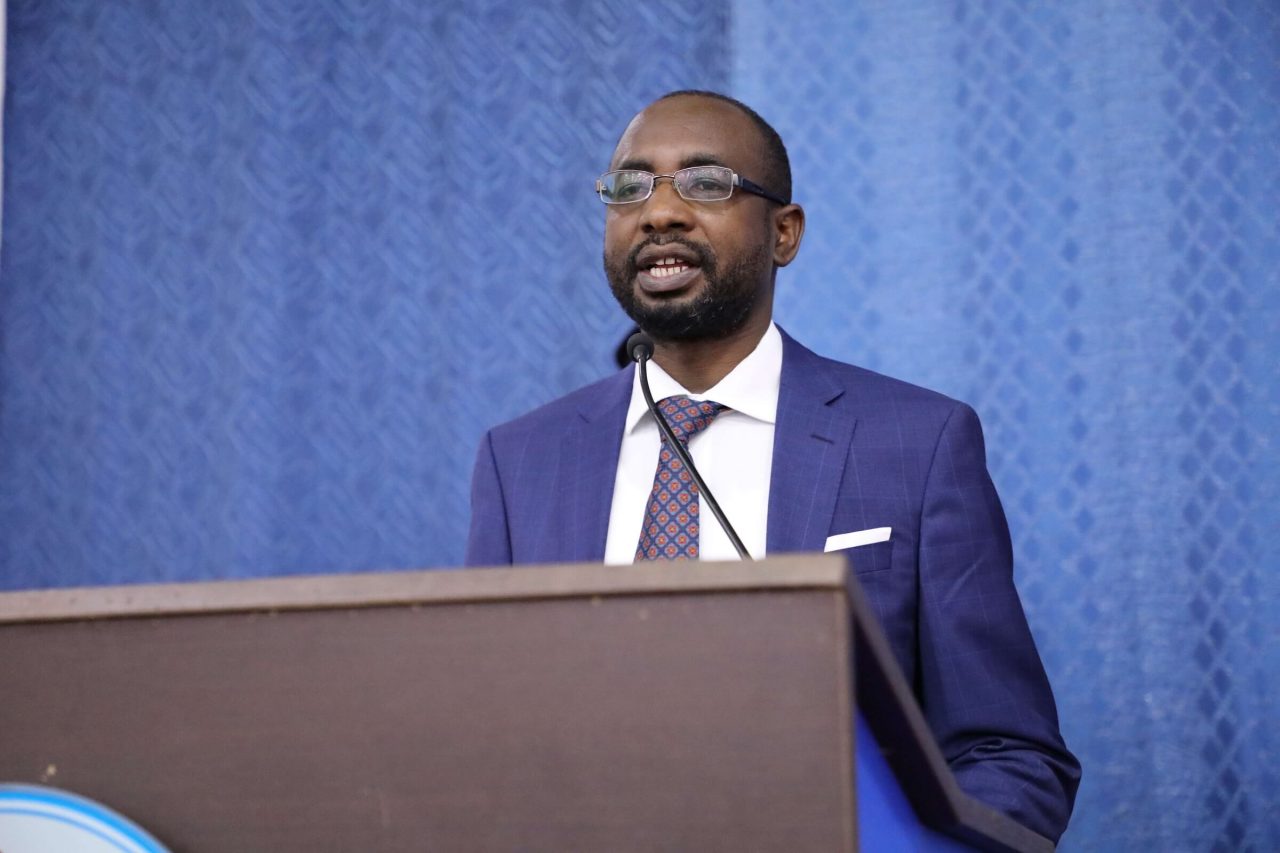
The National Information Technology Development Agency (NITDA) has launched the National Digital Literacy Dashboard, a central platform for tracking digital skills training across Nigeria. Director-General Kashifu Inuwa Abdullahi announced it on Tuesday, October 20, 2026, at the National Digital Literacy Workshop in Abuja.
What the Dashboard Does
The platform collects reports from government agencies, technology companies, schools, non-profits and development partners running digital skills programmes. NITDA says it will show where training is reaching people, where gaps remain and how to avoid duplicated effort. Abdullahi urged organisations to register, submit credible details about their programmes and keep their records current.
The Numbers So Far
The dashboard has logged 2,769,512 training achievements since January 2022. About 250 organisations are reporting, and records cover all 36 states, the Federal Capital Territory and all 774 local government areas. That is roughly 5.5 per cent of the federal goal of reaching 50 million beneficiaries by 2027.
A training achievement measures activity, not proven skill. A separate figure on the dashboard lists about 1.28 million people as verified digitally literate, which is a different measure from a different date.
Why It Matters
Nigeria’s National Digital Literacy Framework, introduced in 2023, targets 70 per cent digital literacy by 2027 and 95 per cent by 2030. Without a shared record of who is being trained and where, it is hard to tell whether the country is on course. Pooling the data gives planners a firmer basis for sending resources to underserved communities.
The framework covers six areas: device and software operations, information and data literacy, communication and collaboration, digital content creation, digital safety and problem-solving. The Digital Literacy for All (DL4ALL) programme, launched in 2024, is the delivery arm.
The Test Ahead
The dashboard is only as useful as the data fed into it. If organisations report honestly and regularly, it could become the main yardstick for Nigeria’s digital skills progress. If reporting is patchy, the headline numbers will say little about real skills on the ground.