


A delivery address should tell a rider where to go. In Nigeria, it often comes with a second set of instructions: a nearby landmark, a description of the gate and a request to call when the rider reaches the junction.
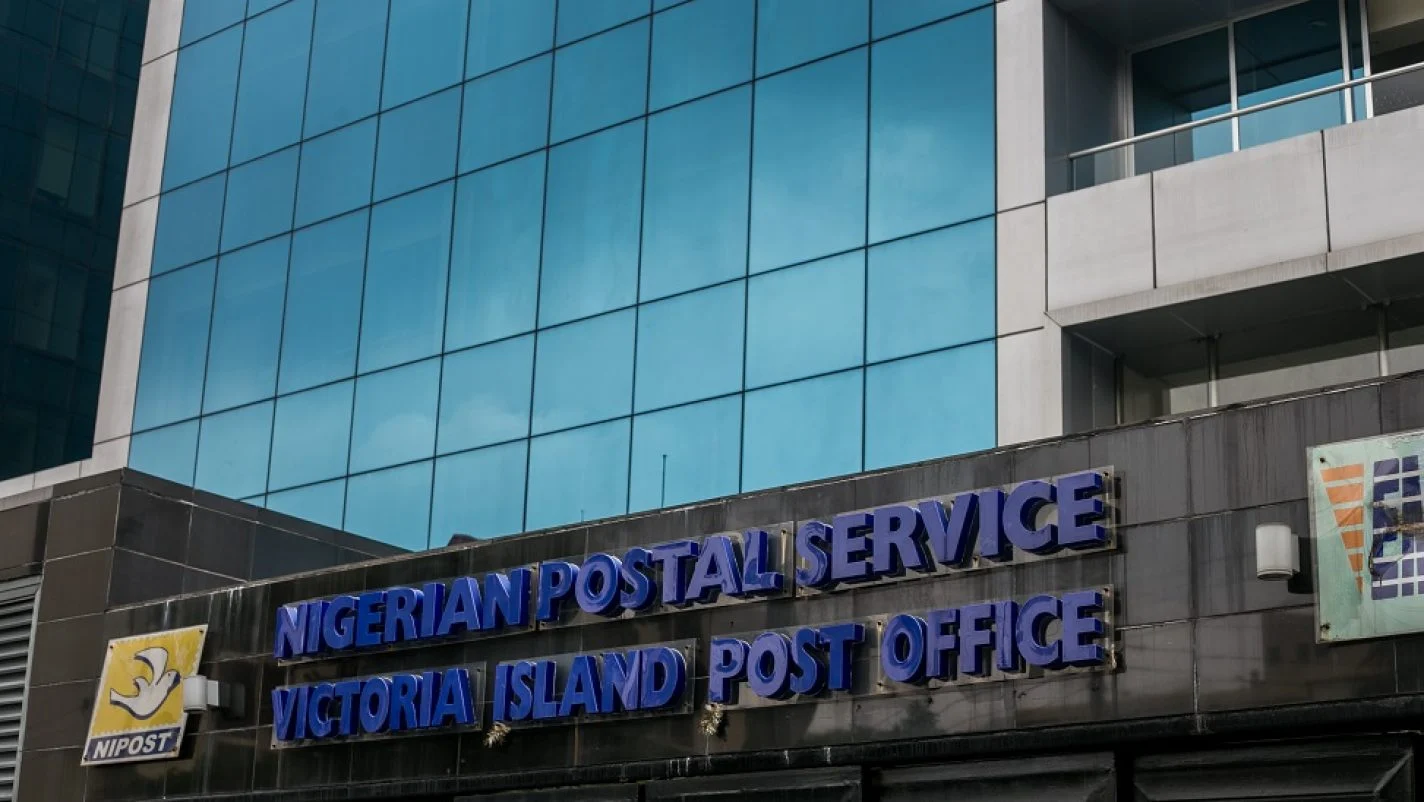
NIPOST’s National Digital Alphanumeric Postcode system is designed to make identifying the destination more straightforward. The official platform lists October 1, 2026, as its nationwide launch date and describes a system that assigns every addressable building a unique 11-character code linked to its geographical location.
The initiative also enters a market where local technology companies are already developing tools for digital addressing and navigation. Among them is Maiaddy, whose Loccodes, Maimaps and business platform Techsoma has previously covered.
What Is Changing With Nigeria’s Postcode?
The main change is precision. Nigeria’s conventional six-digit postcode identifies a broad postal area. The new system is designed to narrow that reference to an individual building.
NIPOST gives this example:
FC 02 A09 DB 09
Its five sections identify the state or territory, local government area, district, area and building. In this example, “FC” represents the Federal Capital Territory. The code contains 11 letters and numbers, excluding the spaces used to make it easier to read.
The new postcode works alongside a written address. A street name, house number and community still provide useful context; the digital code adds a standard reference for the corresponding building.
What It Could Mean for Deliveries and Businesses
For online shoppers, the intended benefit is a destination that delivery services can identify more consistently. NIPOST says building codes could reduce unnecessary calls, time spent searching and missed deliveries.
For businesses, the applications extend to checking delivery destinations, maintaining customer and merchant location records, and identifying facilities. Emergency services could also use the codes to locate buildings more accurately where the relevant authorities adopt the system. These are potential benefits rather than evidence of improvements already achieved.
NIPOST’s homepage now advertises organisational access through APIs, web and mobile development tools, and bulk access. This gives businesses a route to incorporate the postcode into their own services.
Where Maiaddy Fits Into the Story
Nigeria’s digital addressing effort also includes work by private companies.
Maiaddy, a Nigerian location technology company founded by Obinna Onyejeli, says it introduced Loccodes in November 2024. In July 2026, it launched Maimaps, a navigation platform that lets users search for places and use Loccodes as navigation inputs. The company announced availability on Android, iOS and the web
As Techsoma previously reported, Maiaddy subsequently launched Maiaddy Business, connecting business profiles to their physical locations. Approved businesses become discoverable through Maimaps, with the company offering its core listing service free of charge.
Maiaddy has also announced an expansion of Maimaps into routing intelligence for logistics, delivery and mobility platforms, building on its existing location infrastructure. There is a distinction between the systems. Maiaddy’s current developer guide describes a Loccode as identifying a street, with navigation to a code resolving to that street’s midpoint. NIPOST’s new postcode is designed to identify a particular building. The two approaches address related location problems at different levels of detail.
Taken together, these developments suggest growing attention to the infrastructure needed to turn an address into something digital services can reliably use.
How to Find Your New Postcode
NIPOST directs users to postcode.gov.ng and its postcode app to find their building’s code.
According to its guidance, users can search for a building or use their current location. They should confirm that the building shown is correct before saving or sharing the code. Finding, saving and sharing postcodes is free for individuals. The postcode belongs to the building, so someone who moves will use the code assigned to their new address.
At the time of writing, the official website links to Postcode by Nipost on Google Play, while its iPhone download remains marked “Soon.” The Android listing describes features for finding buildings, sharing codes, getting directions and requesting corrections.
Buildings are being added as they are captured and validated. If a building has no postcode, NIPOST says users can submit a request with address and building information for review.
The Test Is Everyday Use
A building code creates a clearer location reference. Its practical value will depend on accurate records, coverage and whether people and organisations use it.
For NIPOST, the next test is whether the postcode becomes part of everyday deliveries and service provision. For companies such as Maiaddy, the opportunity remains in making location information useful through search, navigation, business discovery and routing.
For Nigerians, success would be easy to recognise: fewer calls explaining where a place is, and more visitors and deliveries arriving at the right destination.