


Senegal is building a domestic supply chain for laptops, smartphones and other digital devices, and this week it signed a major partnership to speed things up. Nigeria is chasing the same goal, with a track record that offers Senegal useful lessons.
A $150 million partnership
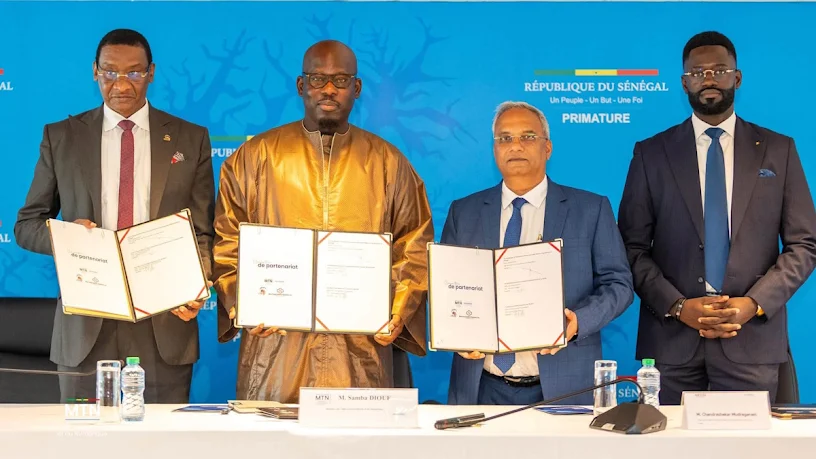
On Tuesday, Senegal’s Ministry of Telecommunications and Digital Affairs signed a partnership worth about 88 billion CFA francs, or $150 million. The partners are an international business council focused on Africa and an Indian technology firm, Blue Cloud Softech Solutions. The deal falls under Senegal Digital Factory, one component of the government’s wider New Technological Deal.
Officials estimate that Senegal spends about 419 billion CFA francs a year importing computer hardware. The plan is to move from idea to finished product by building local capacity to make electronic devices and drawing in around 200 startups.
Starting small with a pilot assembly line
Last week, a ministry delegation visited SunuCorp, a computer assembly company at Keur Ndiaye Lo. Its pilot site can produce roughly 7,500 computers a year, according to officials, and it has a small team of seven. The company has also trained close to 400 students and young people from engineering schools and training centres at no cost.
The numbers show the scale of the problem. About 97 percent of Senegal’s territory has 4G coverage, yet officials say 54 percent of the population lacks adequate devices because of high prices. The government says local assembly serves two further aims: tighter control over the hardware and software chain for security, and pooling public demand so local firms can compete for institutional and school equipment contracts.
A larger plant is planned at Saint-Louis from 2027, aimed at assembling and eventually manufacturing laptops and smartphones. The ministry also expects a first UniPod innovation laboratory there by the end of 2026.
Nigeria’s second try
Nigeria has been here before. Companies including Afrione, Imose, Omatek and Zinox have tried local device assembly in the past. Those efforts created some jobs but leaned heavily on imported parts and struggled against established foreign brands.
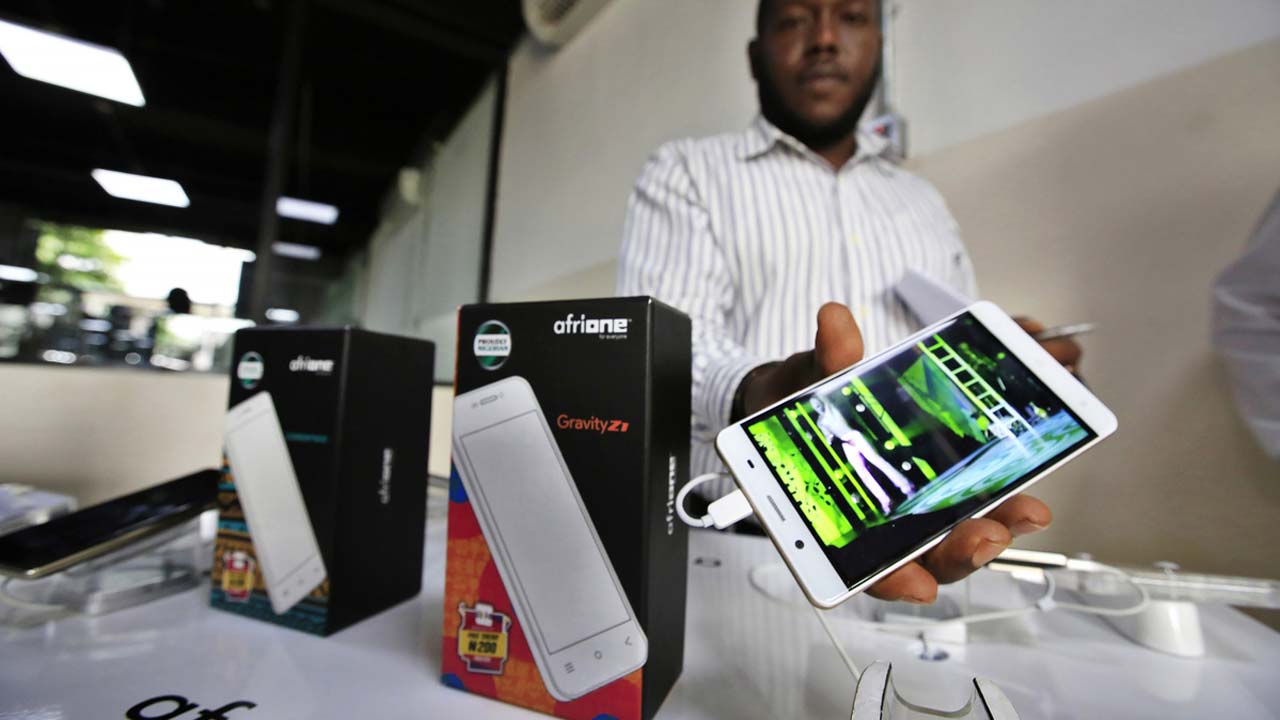
In June, the Nigerian Communications Commission unveiled a fresh set of incentives for local production of smartphones, tablets, routers and other telecom devices. Its board chairman, Idris Ibikunle Olorunnimbe, said the measures include tax holidays and faster customs processing. Locally made smartphones, routers and MiFi devices would also be built into the commission’s digital inclusion programmes. Reports say companies that begin construction before November 2026 can benefit from government support.
Officials argue that local production would let more costs be paid in naira, which should help steady prices. One official also said past locally made devices often failed on durability, and that the aim now is phones that match imported ones on quality and beat them on price.
What both countries must get right
The two countries share the same challenge. Neither country makes smartphone components such as processors and memory chips, so for now local manufacturing mostly means assembly. Critics of earlier Nigerian schemes warn about “screwdriver factories” that snap together imported kits with little skills transfer.
Senegal’s approach has two features that address this risk. It pairs assembly with free training, and it uses government purchasing to guarantee demand. Nigeria’s incentives target the supply side, and its next step is to show that the plants can survive on customers rather than subsidies.
The bottom line
Both governments see affordable devices as the missing link in digital inclusion. Whether Dakar or Abuja gets there first will depend less on announcements than on whether the factories can produce reliable devices at prices ordinary people can afford.