
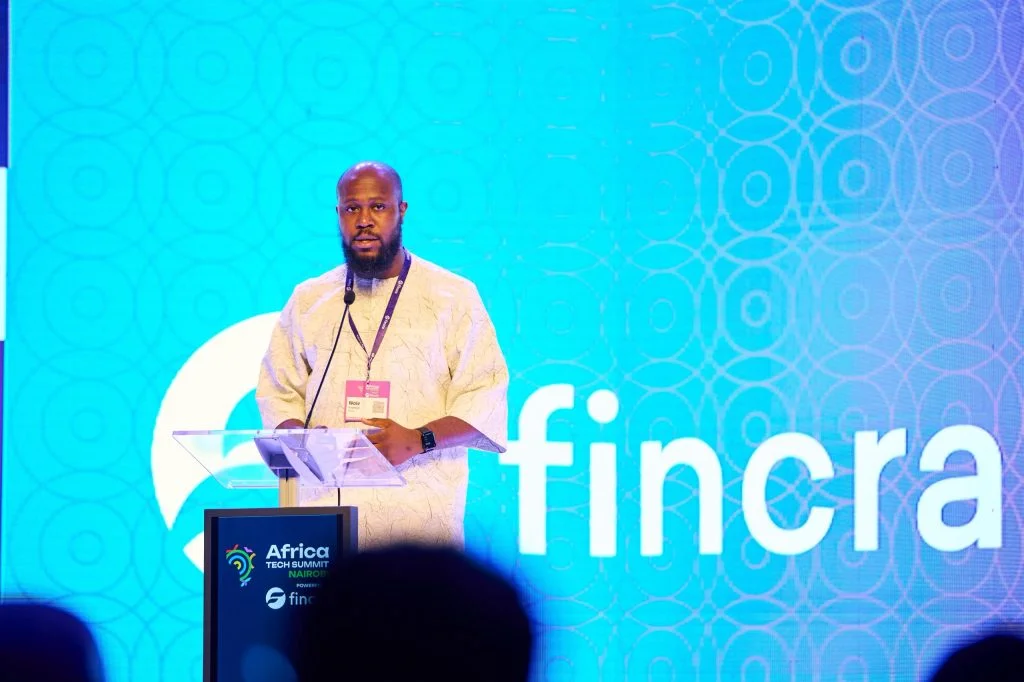
Africa’s cross-border payment problem has never been a shortage of apps. It has always been a shortage of rails; the regulated, compliant infrastructure underneath those apps that determines whether money moves in hours or in days. Fincra, the payment infrastructure company co-founded by Wole Ayodele in 2021, has spent the last year making a deliberate case that the only way to fix Africa’s payment friction is to own both ends of the corridor, with a licence in hand.
A Year of Regulatory Wins
The pace of Fincra’s licensing activity over the past twelve months has been notable. In mid-2025, Fincra was approved by the Bank of Tanzania to operate as a Payment System Provider, expanding its footprint in East Africa. That announcement came close on the heels of another: the company obtained a Third Party Payments Provider licence in South Africa, allowing it to process debit and credit card transactions, electronic funds transfers, real-time clearing, and rapid payments.
The South Africa licence was secured in collaboration with Nedbank, giving Fincra direct integration with the country’s core payment systems. Then, earlier this year, Fincra announced it had secured a Payment Service Provider licence in Canada, marking a step in its stated mission to build a compliant, reliable payment infrastructure connecting African businesses to global opportunities.
Why the Canadian Licence Matters for Africa
The Canadian licence is not simply a foreign expansion play. It is a direct response to a well-documented problem: payments between Africa and North America are reliant on multiple intermediary banks, which leads to slow settlement times and high foreign exchange costs.
Between 2019 and 2024, merchandise exports from Canada to Africa grew by 13%, while imports from Africa increased by 109%. That volume exists, but it has been moving through fragmented infrastructure: chains of correspondent banks that add cost and delay at every hop.
With the new PSP licence, Fincra can now hold funds on behalf of end users, initiate electronic funds transfers, facilitate payment instructions, and support clearing and settlement services within Canada’s regulatory framework. That changes the practical experience for a Lagos-based business paying a Canadian supplier, or an African freelancer waiting on income from a Canadian client.
The Infrastructure Argument
Fincra’s CEO has been consistent in framing the company’s work as an infrastructure play, not a product play. Where competitors like Flutterwave, LemFi, and NALA have built at the product layer, Fincra is staking its position further down the stack.
The argument is that Africa’s payment problem is caused by too few apps. The problem is that those apps sit on top of nothing, or on top of workarounds. Platforms like Revolut or Wise can simply plug into existing EMI licences, banking APIs, and FX systems because those rails already exist in Europe. In Africa, they haven’t been built yet.
Fincra’s answer is to build them, one regulatory approval at a time.
What Growing Usage Looks Like
Fincra already supports payment operations across more than ten African countries and nine currencies, through a network of licences, registrations, and partnerships in markets such as Nigeria, Tanzania, South Africa, and Kenya. The breadth matters because cross-border commerce rarely stays within a single corridor. A business that needs to pay across Lagos, Nairobi, and Johannesburg needs infrastructure that is regulated in all three.
The company’s client base reflects this. Its clients include e-commerce platforms, logistics providers, B2B marketplaces, and travel companies. These are all sectors where cross-border payments are not occasional but structural to how the business operates.
The Bigger Picture
Fincra’s expansion signals something broader happening in African fintech: the shift from consumer-facing products to the invisible plumbing that makes them work. Licences are not flashy announcements. But they are how trust gets built into a payment system, and how African businesses eventually stop routing their money through five banks just to move it across one border.