
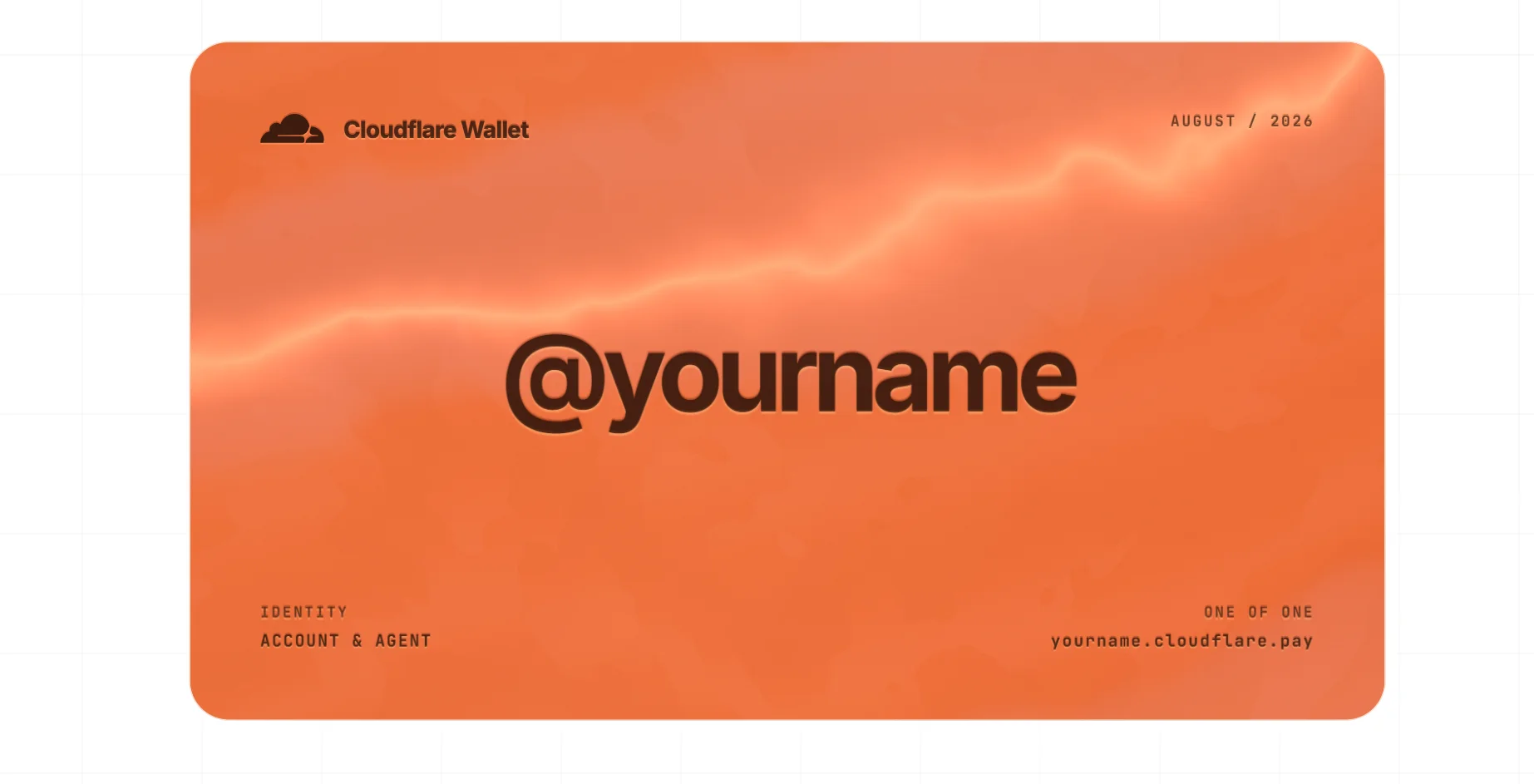
Cloudflare has introduced a new wallet and identity system designed to let artificial intelligence agents make payments online without human intervention, marking one of the most concrete steps yet toward what the industry calls agentic commerce.
The company announced Cloudflare Wallets and a companion identity feature called cloudflare.pay on August 4, 2026, giving AI agents deployed on its network a stable identity and the ability to transact within limits set by their human owners.
How the Wallet System Works
Cloudflare Wallets come in two tiers. An Account Wallet is controlled by a human or organisation, which loads funds and sets overall spending rules. From there, individual Virtual Wallets are created for specific AI agents, allowing them to make purchases on their owner’s behalf through API keys rather than manual approval.
Owners can cap how much an agent spends, restrict transactions to an approved list of merchants, and set limits on individual purchase sizes. The design essentially gives each agent a spending allowance that cannot exceed what its linked Account Wallet permits, building in guardrails meant to prevent runaway or unauthorised spending.
The cloudflare.pay feature complements the wallet system by giving agents an optional, permanent identity that merchants can use to verify who they are dealing with. It builds on Cloudflare’s existing bot-verification infrastructure, extending it into a form of digital identity for automated buyers rather than just a way to filter out unwanted bot traffic.
Built on a Stablecoin Payment Standard
The wallets rely on stablecoin micropayments through x402, an open protocol that embeds payment functionality directly into standard web requests. The protocol traces back to the x402 Foundation, which Cloudflare and Coinbase jointly established in September 2025 to push standards for machine-to-machine payments.
Standardisation efforts around the protocol now sit under a Linux Foundation body that includes more than two dozen participating companies, among them Visa, Mastercard and American Express, signalling broader industry interest in creating shared rules for how autonomous agents transact.
Cloudflare had already introduced a separate tool called the Monetisation Gateway earlier in the year, which functions as a way for merchants and content owners to charge agents for access to APIs and digital content. With wallets now covering the buying side, the company has effectively built both halves of a two-sided payment market for agent-driven transactions.
A Still-Developing Market
Agentic commerce remains largely untested at scale. There is limited public evidence of AI agents making large volumes of real purchases, and questions remain unresolved around regulation, consumer protection and how liability would work if an autonomous agent makes an unauthorised or mistaken purchase.
Cloudflare is not alone in pursuing this space. Other wallet products aimed at AI agents, including Moonpay’s PayBox, are competing for a similar position in what could become critical infrastructure if agent-driven shopping and API purchases become mainstream.
For now, Cloudflare’s wider reach across global web traffic gives it a structural advantage in positioning itself as a default identity and payment layer for agentic commerce, though whether the broader market develops enough real transaction volume to justify that bet remains an open question.