
African AI startups have a new source of capital. Askya Investment Partners, an African venture capital firm, has launched the Askya AI Growth Platform, a six-week programme that will select 10 AI-native, Africa-focused startups and offer up to $200,000 in investment.
The programme takes no equity. It is free for participants. Applications close on September 30, 2026, and the inaugural cohort will be revealed on stage at Moonshot by TechCabal in Lagos on October 28 and 29.
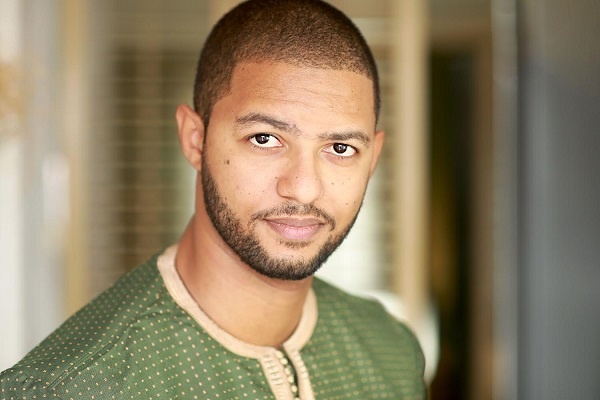
Tosin Eniolorunda, founder and Group CEO of Moniepoint, will serve as honorary chair of the first cohort. Babacar Seck, founder and managing partner of Askya, said Eniolorunda’s experience building a generational technology company made him the right person to guide the initiative.
The Programme Targets a Specific Gap
The Askya AI Growth Platform is not a general accelerator. It is designed for companies where artificial intelligence sits at the core of the product, not as an add-on feature. Eligible startups must have a working product, at least one paying customer or active pilot, and a focus on African markets. Companies from pre-seed through Series A can apply. Nonprofits and research institutions cannot.
The six-week programme will run from October 26 to December 4, 2026. Participants will also receive weekly one-on-one coaching, get access to cloud computing and GPU infrastructure through Askya’s partners, and attend masterclasses covering technology, product, governance, and distribution.
The structure reflects a recognition that African AI founders often struggle with more than capital. They need access to real customers, experienced operators, and the infrastructure to run AI workloads without sending data abroad. Askya said additional partners in cloud and computing infrastructure, policy, and enterprise markets will be announced before the cohort reveal.
READ ALSO:
How Founders Can Switch Off Pitch Mode and Build Better Personal Relationships
The Startup Pitch Deck Guide That Gives Founders a Better Shot at Funding (+Free Blueprint)
The Funding Numbers Explain Why This Exists
The Askya programme arrives at a specific moment in Africa’s venture capital market. African startups raised about $1.36 billion in the first half of 2026, broadly flat in value compared to the previous year. But the number of startups raising at least $100,000 fell to 190, the lowest level since 2021.
The contraction is especially severe at the earliest stages. Startups receiving between $100,000 and $500,000 fell from 377 in 2021 to 170 in 2025, a 55 percent decline. Digital Africa CEO Grégoire de Padirac described the problem plainly. Africa does not have an entrepreneur shortage. It has a financing-buffer shortage.
AI-native companies received less than 2 percent of African startup funding in the first half of 2026, even as AI-related companies accounted for about 14 percent of total funding. The distinction matters. Much of the money flowing into AI-related investments went to fintech applications like fraud detection, credit scoring, and payments. Companies building foundational AI products and infrastructure captured a much smaller slice.
Askya’s zero-equity model addresses the gap differently. Startups do not surrender ownership to participate. The investment of up to $200,000 comes from Askya’s funds and is separate from the programme itself. That structure lowers the barrier for founders who are not ready to give up equity for support they can access elsewhere.
The African AI Opportunity Is Real but Concentrated
The African Development Bank estimates that inclusive deployment of AI could add up to $1 trillion to Africa’s GDP by 2035. That projection explains why investors are paying attention to AI on the continent. It also explains why the current funding gap is concerning.
Most AI funding in Africa concentrates in a few markets. About 86 percent of AI funding went to Nigeria, Egypt, South Africa, and Kenya in the first half of 2026. Startups outside those hubs face steeper challenges raising capital, even when they build products for large local markets.
The Askya programme is pan-African in scope, which suggests an intention to look beyond the usual hubs. Whether the first cohort reflects that intention will be clear in October.
The emphasis on execution and customer access is the programme’s strongest feature. African AI founders often have technical skills but lack the networks and operational experience to convert prototypes into scalable businesses. If Askya can connect them to the right operators and customers, it will have solved a problem that capital alone cannot fix.
Applications close on September 30. The cohort reveals on October 28. The startups that emerge from this programme will tell us whether the model works.