

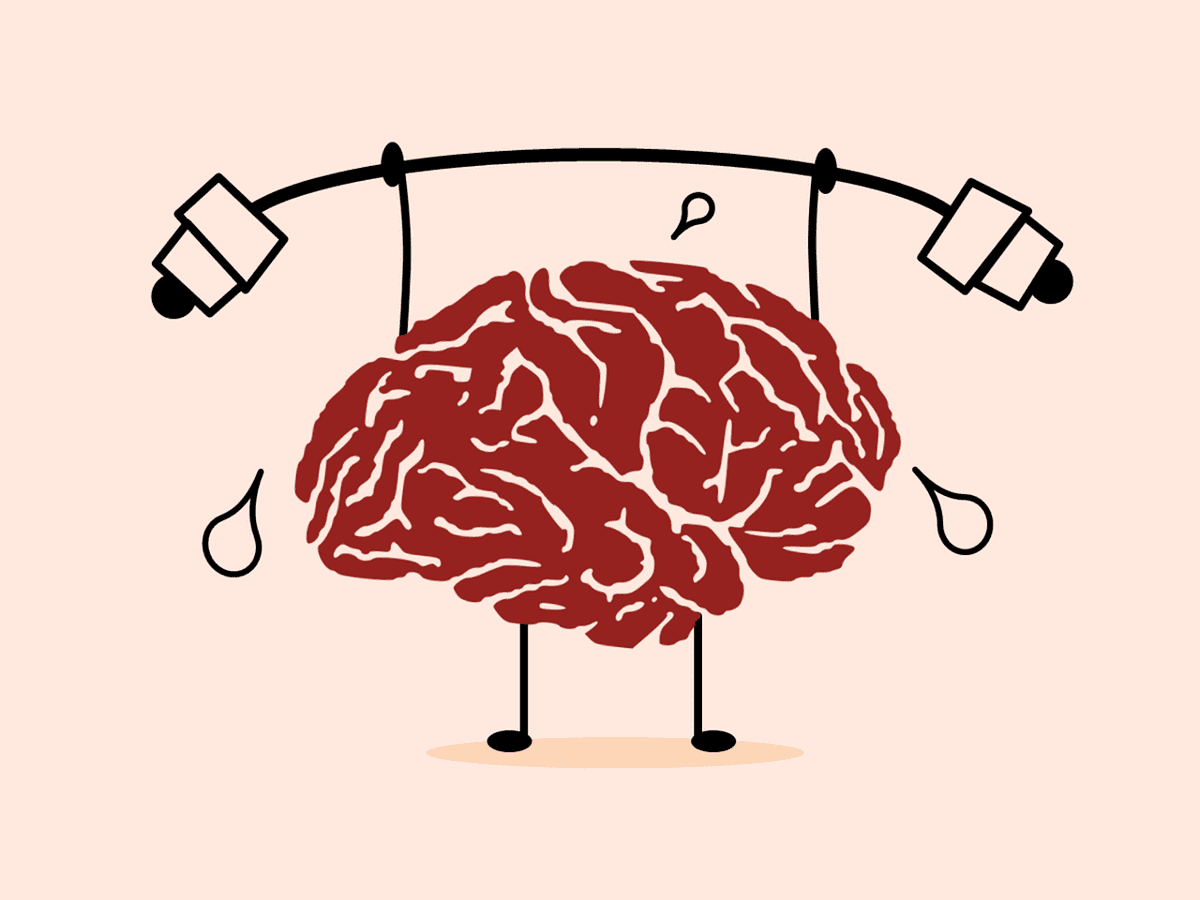
In our culture of relentless ambition, where every deadline feels like destiny and every success is only as good as the next one, mental health has quietly become the collateral damage of excellence. We celebrate results but ignore recovery. We idolize consistency but silence vulnerability.
We tell leaders to keep pushing, founders to stay resilient, and creatives to always deliver, yet we rarely stop to ask the simplest question: how are you, really?
The truth is, brilliance often coexists with chaos. Some of the most exceptional minds are fighting invisible battles. And that is what we must finally learn to talk about.
The Myth of Constant Strength
I have spent years working with leaders and creators across technology, media, and innovation. Many of them appear confident and calm in public, but privately, they are exhausted. They are managing teams, chasing funding, battling market uncertainty, and still pretending to have it all figured out.
We have created a culture that confuses silence with strength. But resilience is not about being unshaken; it is about knowing when to stop and breathe before breaking. True leadership is not endurance alone; it is the wisdom to recognize when the mind is asking for rest.
You do not need to be okay to be brilliant. You just need to be self-aware enough to pause when your brilliance begins to cost your peace.
The Creative Mind and Its Chaos
Creative people and entrepreneurs often live in a paradox. The same restlessness that drives innovation can also destroy balance. We tell ourselves that stress is the price of genius, that pressure fuels performance, and that exhaustion is proof of effort. But clarity, not chaos, is the foundation of sustainable creativity.
When your mind is constantly in survival mode, it cannot enter imagination mode. You stop creating from inspiration and start creating from panic. That is when burnout begins.
The creative process needs recovery. Stillness is not laziness; it is the silence where the next idea is born.
Leadership and the Cost of Pretending
In African business culture, strength is still measured by how much you can endure. We admire the executive who never stops working, the founder who never complains, the professional who never says no. But the modern world punishes those who never pause.
A burnt-out mind cannot innovate. A disconnected leader cannot inspire. A tired founder cannot build a sustainable company. Every story of consistent success you know includes someone who learned to rest before the system forced them to.
Escapism: The Quiet Coping Mechanism
Sometimes you ask a leader how they still find time for that one habit, hobby, or vice in the middle of an impossibly busy schedule. Maybe it is late-night gaming, endless travel, constant tweeting, or even an obsession with the gym. What looks like discipline is often a quiet form of escapism.
It is the masking tape holding their world together, the one thing that provides a temporary sense of control when everything else feels unpredictable. And for a while, it works. Until it does not.
Unchecked escapism is the symptom of an unspoken struggle. It reveals the distance between public excellence and private exhaustion. The goal is not to eliminate these coping mechanisms, but to replace them with healthier, more intentional forms of relief such as therapy, reflection, community, or silence.
The Invisible Weight of Excellence
Behind every high performer is a quiet struggle. Founders lie awake wondering if they can meet payroll. Creators overthink their next project, trapped between relevance and exhaustion. Professionals face imposter syndrome even after years of achievement.
These feelings are not a weakness. They are signals. They tell us that the pursuit of excellence cannot exist without emotional maintenance.
World Mental Health Day should not just be an annual reminder. It should be an audit, a moment to measure not how productive we are, but how present we feel.
Practical Frameworks for Protecting Mental Health
There are no perfect formulas for balance, but every professional can begin to build a structure that protects their mind as fiercely as their goals.
Here are six proven frameworks that help sustain both excellence and emotional health:
- The Pause Principle: Schedule recovery the same way you schedule work. Rest is not a reward; it is part of the job.
- Energy Accounting: Track energy, not just time. If a meeting drains more than it contributes, question its value.
- Digital Detox Windows: Block two to three hours daily for non-digital activity. Walk, read, pray, or reflect. Do anything that reminds you that you are human, not a notification.
- Therapy and Mentorship: Professional therapy and trusted mentorship should not be treated as opposites. The first heals; the second guides.
- Community Check-ins: Build small peer circles where honesty is allowed. You do not always need advice; sometimes, you just need witnesses.
- The Three-Win Rule: End each day identifying three small wins, personal, professional, and emotional. It rewires the brain to see progress, not pressure.
These frameworks work not because they remove stress, but because they restore perspective. Mental health is not about escaping reality. It is about returning to it with clarity and courage.
Peace as the New Ambition
We live in a world that measures worth by output. But the next era of leadership will be defined by something deeper: emotional intelligence, mental resilience, and authenticity.
You do not lose ambition by slowing down. You simply reclaim control over it. The ability to pause, reflect, and reset is the highest proof of strength.
So today, let this be your reminder: you do not have to be perfect to create impact. You do not have to be unbreakable to lead. You do not have to be okay to be brilliant.
You just have to remember that your mind is the first company you must learn to manage, and its health is your most valuable return on investment.