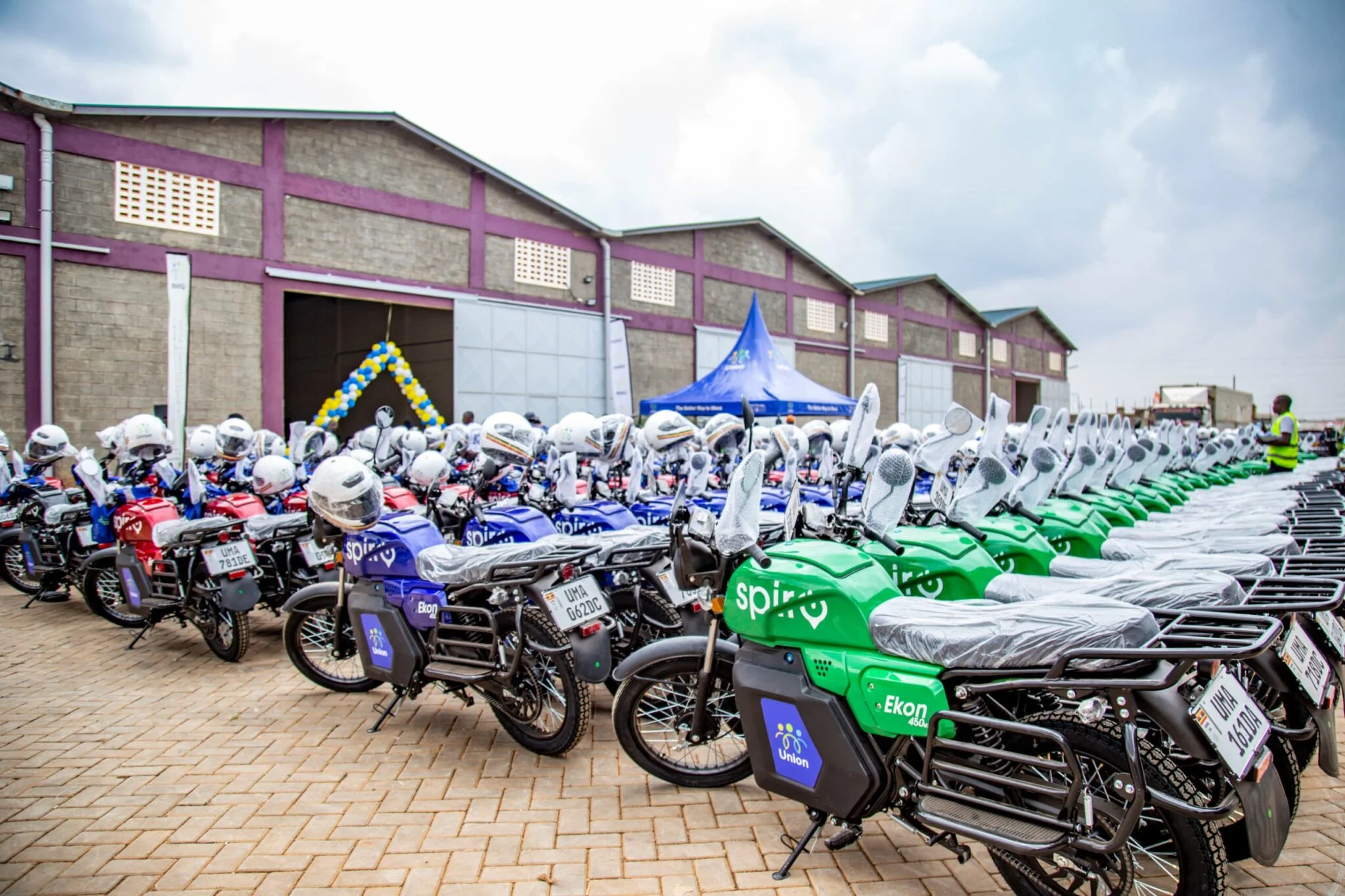
African electric mobility company Spiro has raised an additional $18 million in debt financing from Africa Go Green Fund, bringing the fund’s total commitment to $36 million. The company announced the deal on Monday.
What the New Funding Covers
The money will go toward putting more electric motorcycles on the road and expanding Spiro’s battery-swapping network in Uganda and Rwanda. Both are among the seven African countries where the company operates.
The financing builds on a debt facility closed in December 2025, when Africa Go Green Fund committed $18 million and climate lender Nithio added $7 million. The fund, which is managed by Cygnum Capital, also led the structuring of that first deal. This second commitment comes less than a year after its initial investment.
Why the Fund Is Doubling Down
Laurène Aigrain, Managing Director of Africa Go Green Fund, said the increase reflects the progress Spiro has made since the first investment. She described the company as tackling two problems at once, cutting transport emissions and giving riders a cheaper, smarter way to get around.
Spiro’s founder, Gagan Gupta, called the decision a strong vote of confidence. He said it shows that a business model designed around the realities of African markets can grow quickly and attract long-term institutional capital.
Where Spiro’s Numbers Stand
Spiro says it has deployed more than 135,000 electric motorcycles and completed over 50 million battery swaps as of September 2026. The company also operates more than 2,500 swap stations and has assembly facilities in Uganda, Kenya, Nigeria and Rwanda.
Those figures have climbed fast. In February, Spiro reported more than 80,000 motorcycles and over 30 million swaps. It has also opened larger “mega” swap stations in Kenya and Rwanda to serve more riders at once.
What Comes Next
Group CEO Anant Badjatya said the priority in Uganda and Rwanda is building denser networks, improving access and making the switch to electric practical for everyday riders. Swap stations are central to that plan. A rider with easy access to charged batteries avoids the upfront battery cost and the fuel bills of a petrol motorcycle.
Debt of this kind also matters for a wider reason. High interest rates and currency swings have made conventional bank capital hard to secure for clean energy projects across sub-Saharan Africa, so climate-focused funds are filling part of the gap.
For Nigerian readers, the new money is not aimed at Nigeria. Spiro does operate in the country and assembles vehicles here, but this round is reserved for East Africa. For additional funding updates, click here.