African electric motorcycle and battery-swapping company Spiro has raised an additional $55 million from NewTrails Capital, a Chinese investment firm, just three weeks after disclosing a record $215 million equity raise in one of the largest funding rounds ever announced in Africa’s electric mobility sector.
With the latest commitment, Spiro’s total disclosed funding now stands at approximately $557 million, cementing its position among the continent’s most heavily funded electric mobility companies.
A Rapid Sequence of Capital and Leadership Moves
The $55 million round is the latest in a string of moves Spiro has made in quick succession. It comes less than two weeks after the company appointed former Indofast Energy chief executive Anant Badjatya as group CEO. Badjatya previously oversaw a battery-swapping network of more than 1,800 stations in India, one of the world’s most developed markets for the technology.
The $215 million round that preceded this raise was itself backed by Impact Fund Denmark and Equitane, and came four months after Spiro secured $50 million in debt financing and less than a year after a separate $100 million equity raise. The pace signals a company in aggressive scale-up mode, not consolidation.
Why a Chinese Firm Is Betting on African EV Infrastructure
NewTrails Capital said it views Spiro as an “infrastructure-like business” and sees the company’s battery-swapping network as part of a broader energy transition taking place across African markets. The framing is telling: infrastructure investors think in decades and look for network-effect businesses with high switching costs. Spiro is positioning itself precisely that way.
The investment also deepens Spiro’s ties to Chinese investors and suppliers. The company has previously sourced batteries from Chinese manufacturers, including an $11.6 million supply deal with CBAK Energy Technology.
What Spiro Has Built So Far
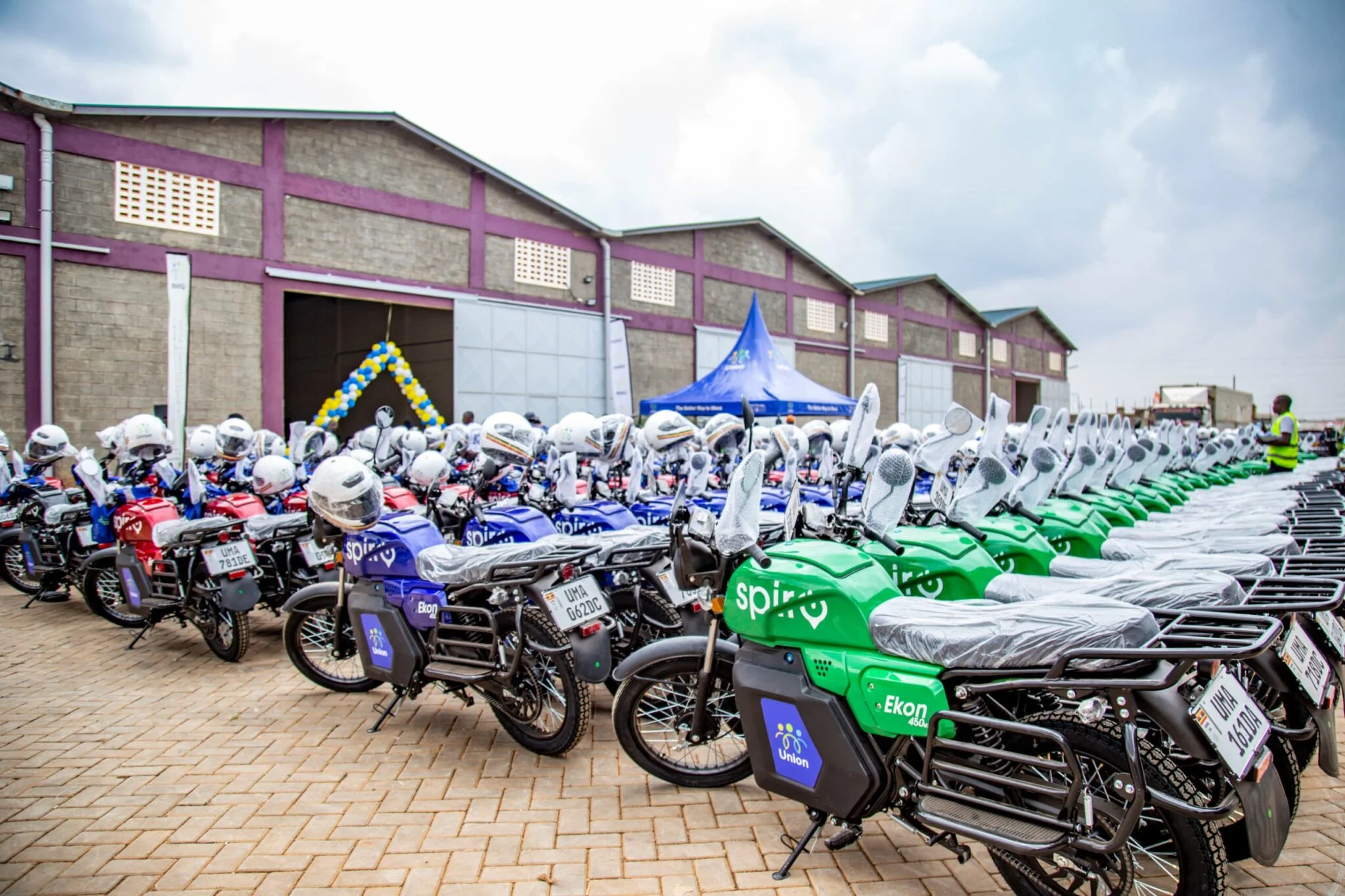
Founded in 2022 by Gupta, Spiro says it has deployed more than 100,000 electric vehicles and built over 2,500 battery-swapping stations across seven countries. Its operational footprint spans Kenya, Rwanda, Uganda, Togo, Benin, Nigeria, and Cameroon, with manufacturing plants in East Africa and a battery recycling facility in Nigeria.
The company says it has recorded more than 30 million battery swaps and claims to have driven over one billion kilometres without carbon emissions. Under its battery-as-a-service model, riders purchase the motorcycle while subscribing to the battery network, with the company saying this reduces the motorcycle’s price to roughly 40% below that of a comparable petrol bike.
The Bigger Picture
The speed at which Spiro is stacking capital reflects a broader investor thesis taking hold: the race in African electric mobility is not just about who makes the best motorcycle, but who controls the energy infrastructure underneath it. Battery-swapping networks require dense station coverage, battery inventory, and local logistics, all things that are expensive and slow to replicate once built.
If Spiro attains a valuation of $1 billion or more, it would join the ranks of Africa’s unicorn startups, including Flutterwave, OPay, Moniepoint, Interswitch, and Chipper Cash. With over half a billion dollars now raised, that milestone looks increasingly close.