

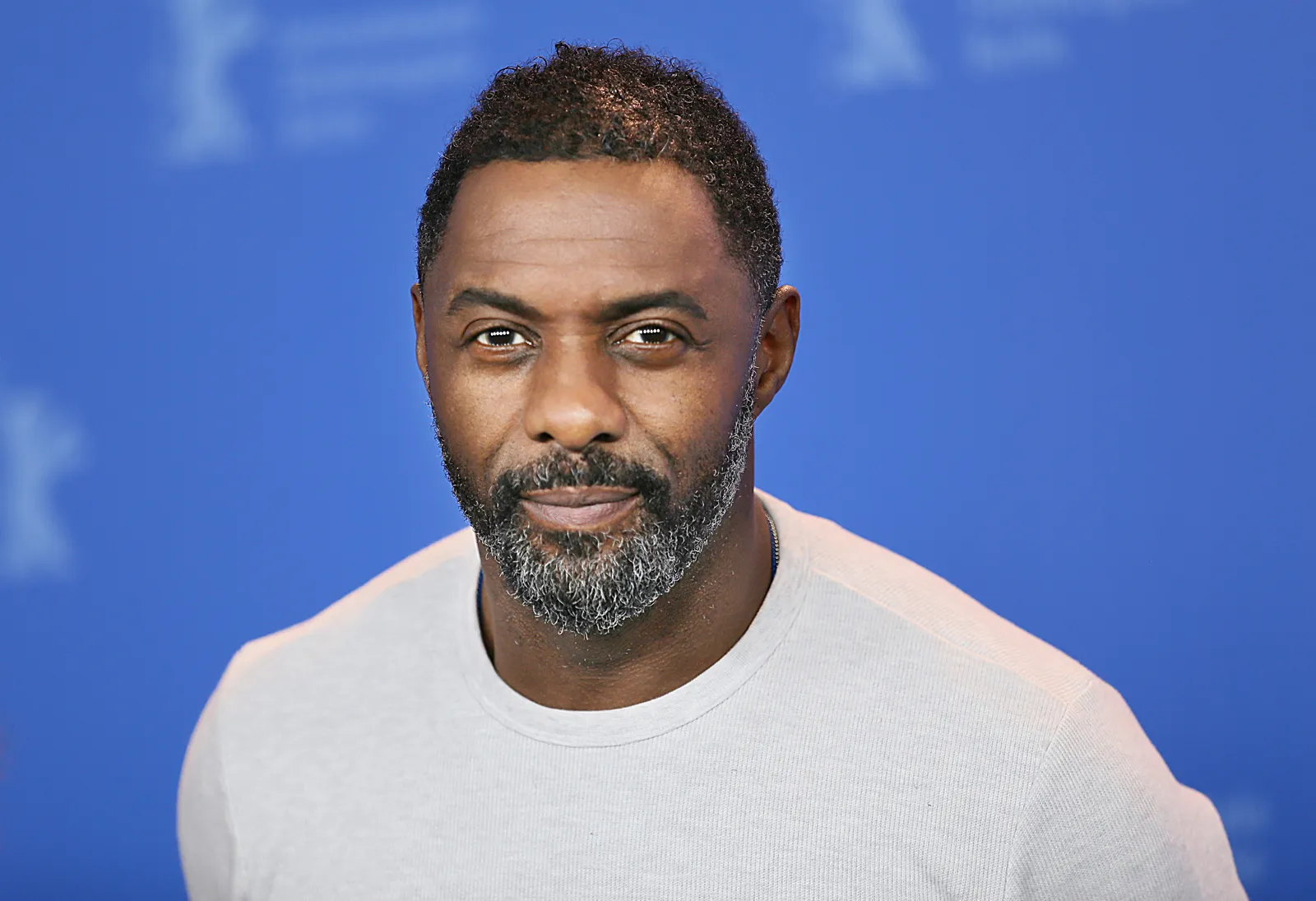
Idris Elba and Google want 100,000 African creators to have free access to AI tools. The bigger question is what happens after they log in.
The two announced a $1 million initiative this week at Google’s first Africa Cloud Summit in Johannesburg, funded jointly by Google and Elba’s Hope Foundation. It gives creators across Nigeria, South Africa, Ghana, Kenya, and Sierra Leone free access to Gemini and other Google AI tools, aimed at video, music, design, and other content work.
Why These Five Countries
The country list isn’t random. Nigeria and South Africa carry the continent’s largest economies and its most established creator scenes. Kenya and Ghana have a fast-growing base of digital-first creatives. Sierra Leone stands out from that pattern, and its inclusion traces directly back to Elba himself, who was born to a Sierra Leonean father.
The economic case for targeting creators specifically is real. Africa’s creator economy is currently valued between $3 and $5.1 billion, and across Nigeria, South Africa, Kenya, and Egypt, YouTube and TikTok alone reach more than 114 million verified users. That’s a young, mobile-first audience turning smartphones into production studios, and both Google and Elba clearly see reason to bet on where that market is heading.
This Isn’t Elba’s First Move Here
This fits a pattern rather than standing alone. Elba co-founded Akuna Wallet in 2024, a digital finance platform built specifically for African creatives who get blocked from the global market because they lack access to an international bank account. He launched his house music label, Sound International, in Nairobi in 2025. He’s floated ideas for a film studio in Zanzibar and a creative village in Ghana. The AI tools initiative slots into a broader thesis he’s been building for years: African creative talent isn’t short on ability, it’s short on infrastructure, whether that’s banking rails, distribution, or now, computing tools.
For Google, the timing lines up with a bigger continental push. The company used the same Johannesburg summit to confirm it has already surpassed its $1 billion commitment to Africa’s digital transformation, ahead of schedule, and announced several other initiatives alongside the creator tools: an applied AI lab in Accra, an accelerator for South African startups, and free AI access for more than a million eligible university students across six countries.
Where the Real Gap Sits
Here’s the part that doesn’t make the press release. Giving someone free access to Gemini solves a cost problem, not a skills problem. AI tools can speed up editing, generate design assets, or draft a script faster, but they don’t teach someone how to build an audience, negotiate a brand deal, or turn a viral moment into a sustainable income. Access removes one barrier among several, and it’s arguably the easiest one to remove, since it mostly requires a partnership announcement and a licensing agreement rather than years of building actual pathways to paid work.
The harder problems, reliable payment access for freelance and diaspora income, platform algorithms that reward volume over quality, and the absence of local ad markets sophisticated enough to fund creators at scale, don’t get solved by a free software license. Elba’s Akuna Wallet at least targets one of those harder problems directly. Whether this AI tools initiative comes packaged with real training, mentorship, or a route to monetisation, or whether it’s simply free software with a well-known face attached to the announcement, is the detail that will determine if 100,000 creators actually end up better off a year from now.
What to Watch Next
The initiative is new enough that there’s no usage data yet, no case studies, and no sense of how creators are actually applying these tools once they have them. That’s normal for a week-old announcement. What’s worth tracking as it rolls out is whether Google and Elba’s team pair the tool access with anything that addresses distribution or monetisation, because that’s the difference between a genuinely useful program and a nicely branded trial subscription. Free access is the opening move. Whether it becomes income is the part nobody can announce at a summit; it has to actually happen first.