

Pan-African payments company Onafriq is shutting down Baxi, its Nigerian agent banking business, after naira depreciation, rising operating costs, and intense competition made the operation commercially unsustainable.
The decision, confirmed by Onafriq in statements to Nigerian media on Friday, October 16, ends the company’s investment in a physical agent network it acquired in 2021 to strengthen its presence in Nigeria’s payments market.
Onafriq said the shutdown would affect Baxi agents and employees connected to the business, although it did not disclose how many people would be affected.
Agents using the Baxi platform have been transferred to another principal bank and instructed to move their funds to their preferred principal banks within 30 days. Employees whose roles are affected will receive consultation and transition support.
The company stressed that it is not exiting Nigeria entirely. Its cross-border payments infrastructure, card-issuing services and operations under its Payment Solution Service Provider licence will continue.
Why Onafriq Is Shutting Down Baxi
Onafriq attributed the decision to economic pressures and structural changes in Nigeria’s payments industry.
According to the company, its operating environment deteriorated significantly from 2024 as naira depreciation and inflation increased expenses and weakened the economics of maintaining a nationwide agent network.
At the same time, the rapid adoption of instant account-to-account transfers changed the types of transactions customers conducted through point-of-sale (POS) agents.
Growing competition among agent banking providers also placed pressure on transaction fees and margins, making the business increasingly difficult to sustain.
Agent banking has played an important role in extending financial services to Nigerians without convenient access to bank branches. Through POS terminals, agents provide cash withdrawals, transfers, bill payments, and other basic financial services.
However, running these networks requires investment in technology, distribution, agent support and operational infrastructure.
For companies such as Baxi, profitability depends on generating sufficient revenue from transactions to cover those costs.
Onafriq said a strategic review concluded that continuing the operation was no longer commercially viable.
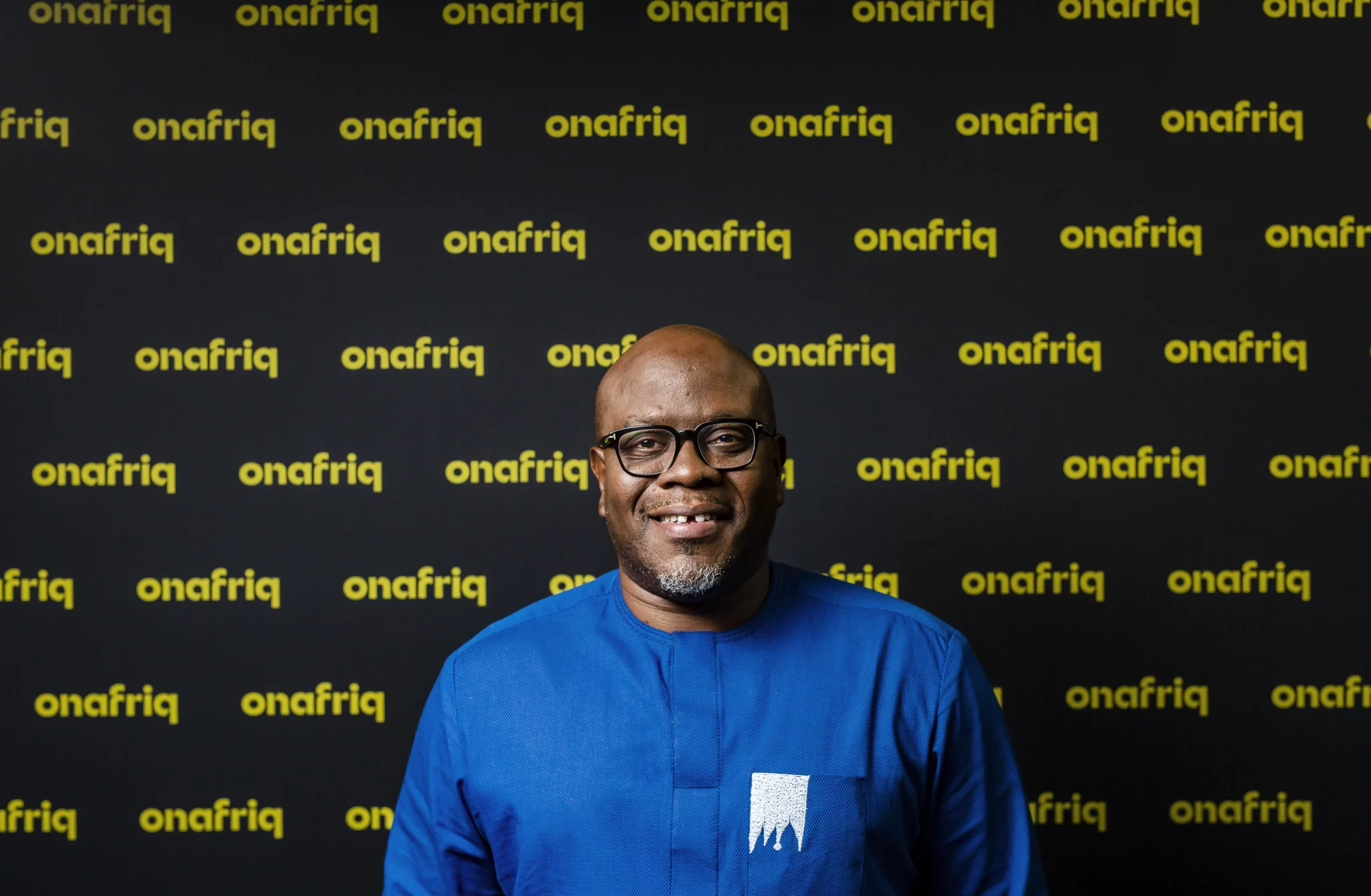
“We entered Nigeria with conviction and commitment, but did not achieve the outcome we set out for,” Dare Okoudjou, Onafriq’s founder and chief executive officer, said in the company’s statement.
He described the closure as a difficult decision affecting employees, agents and business partners who helped build the Baxi network.
The company has not disclosed Baxi’s financial losses, current transaction volumes or the cost of shutting down the operation.
From a 90,000-Agent Acquisition to Shutdown
Onafriq, formerly known as MFS Africa, announced its agreement to acquire Baxi in October 2021 as part of a strategy to expand its pan-African payments network into Nigeria.
The acquisition involved Capricorn Digital Limited, the company operating the Baxi brand.
At the time, Baxi had more than 90,000 agents nationwide, offering cash withdrawals, transfers, account opening and bill payment services.
The network had also processed more than $1 billion in transactions during 2021 by the time the acquisition was announced.
For Onafriq, the deal offered access to Nigeria’s large network of small businesses and payment agents while connecting them to its wider African financial infrastructure.
The company completed the acquisition in March 2022 after obtaining regulatory approval from the Central Bank of Nigeria.
It subsequently invested in expanding and strengthening Baxi’s network through 2023.
The acquisition was expected to create opportunities for Nigerian merchants to access cross-border payment services and other financial products through Onafriq’s infrastructure.
However, the economic pressures that emerged in 2024 undermined those plans, ultimately leading the company to discontinue the agent banking business.
The acquisition price was not publicly disclosed.
What Happens to Baxi Agents and Customers?
Onafriq said Baxi agents have already been transferred to another principal bank as part of the shutdown process.
They have been given 30 days to transfer their funds to their preferred principal banks, with the company’s support teams available to provide guidance.
The company has not identified the receiving bank or disclosed how many agents remain active on the platform.
It also has not specified how many employees could lose their jobs.
For agents who depend on Baxi’s infrastructure, the transition may require changing their banking arrangements or moving to competing service providers.
However, the company said it would continue honouring its commitments to affected stakeholders throughout the process.
What Baxi’s Closure Means for Nigeria’s Fintech Industry
Baxi’s closure comes at a time when Nigeria’s payments industry is experiencing significant changes.
Digital transfers have become an increasingly important part of everyday transactions, while fintech companies such as Moniepoint, OPay and PalmPay continue competing to serve consumers and small businesses.
Although cash withdrawals and POS services remain essential, particularly in underserved communities, agent banking providers face pressure to maintain transaction volumes while managing rising costs.
Onafriq’s decision illustrates how difficult those economics can become when operating expenses increase faster than revenue.
It also reflects a broader strategic distinction within fintech: building physical distribution networks requires a different cost structure from providing digital payment infrastructure to banks, businesses and other financial institutions.
Rather than continuing to operate Baxi’s agent network, Onafriq is concentrating on the cross-border payment connectivity and card-issuing services that form the core of its broader African business.
The company has reiterated that Nigeria remains an important market despite the closure.
For Nigeria’s fintech ecosystem, the shutdown is a reminder that a large addressable market and extensive agent network do not automatically translate into a sustainable business.
Five years after Onafriq announced its acquisition of Baxi, changing economic conditions and payment habits have brought that expansion strategy to an end.
The bigger question for Nigeria’s agent banking industry is whether operators can maintain profitable physical networks as competition intensifies and more transactions move directly between bank accounts.