
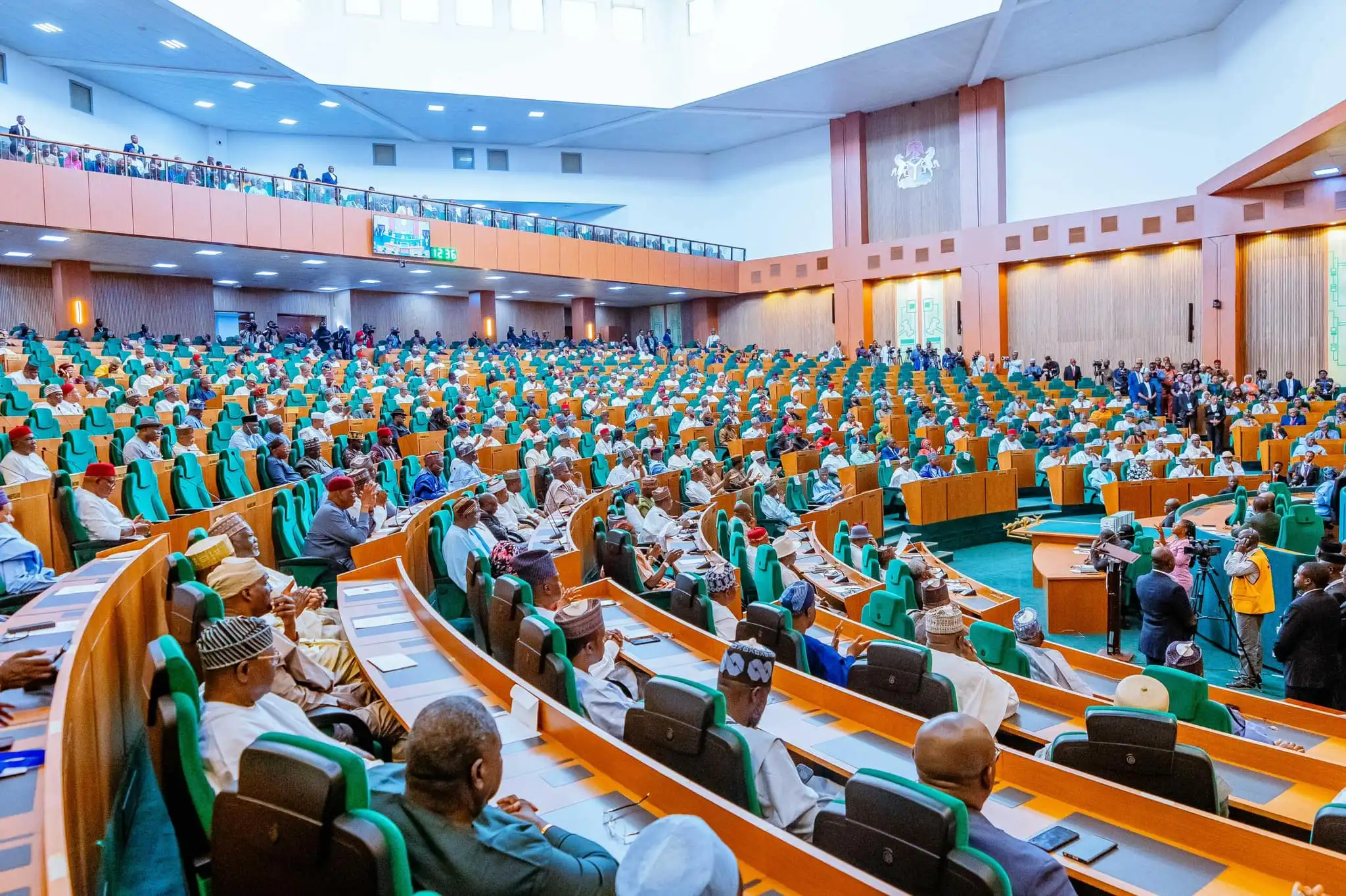
The House of Representatives has ordered the chief executives of MTN Nigeria, Airtel Nigeria and Globacom to appear before an ad hoc committee on October 28, 2026, to explain the persistent decline in telecom service quality across Nigeria.
What the committee decided
The House Ad Hoc Committee investigating poor telecommunications services issued the directive at a public hearing in Abuja, giving the operators seven days to respond. Besides the three major networks, it also summoned the head of Mafab Communications Limited and other service providers.
The committee will sit at 2 pm on October 28 in Hearing Room 447 of the National Assembly’s New Building. Operators must submit all relevant documents by that date and account for the quality of service delivered to subscribers and businesses.
Why the lawmakers acted
The resolution followed two motions by Rep. Sunday Umeha and Rep. Afam Ogene. The committee was unhappy that invited operators, including MTN and Mafab Communications, had not honoured earlier invitations.
Committee chairman Olumide Osoba said telecom services now underpin much of the economy, from calls and internet access to Point of Sale transactions. He argued that businesses and financial transactions depend on reliable networks, which makes the decline a matter of serious national concern.
Possible arrest and the NCC’s role
The lawmakers warned that any chief executive who fails to show up could face a summons for arrest to compel attendance. They also directed the Nigerian Communications Commission (NCC) to ensure that all the affected operators comply and appear on the scheduled date.
Not the first time
Lawmakers have raised service quality before. In December 2023, the House adopted a motion urging the NCC to ensure operators deliver quality services, citing congestion, freezing calls and unstable networks. The new inquiry takes the matter directly to the operators.
What to watch on October 28
Subscribers and businesses will be watching to see whether the chief executives attend in person and what documents they submit. Neither the operators nor the NCC had publicly responded to the directive at the time of writing.