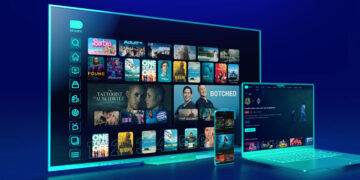
Nigeria’s Federal Government has launched FreeTV, a national digital television platform that gives households access to over 100 television channels at zero subscription cost, a direct challenge to the paid TV model that DStv and GOtv have built their Nigerian business on.
The platform went live on Wednesday, June 17, 2026, as part of Nigeria’s Digital Switch-Over (DSO) programme, and its arrival could not come at a more contested time for the country’s pay-TV market.
The Cost Context That Makes FreeTV Significant
MultiChoice has raised subscription prices on both DStv and GOtv at least four times since 2023. The most recent adjustment, which took effect in March 2025, pushed the DStv Compact package (the most popular mid-tier option) from ₦15,700 to ₦19,000 per month. DStv Premium now costs ₦44,500 monthly. Even GOtv, historically positioned as the affordable alternative, now starts at ₦3,900 for its basic package.
MultiChoice has since announced it will hold prices steady through 2026, a concession its new Canal+ leadership tied explicitly to the need to stop subscriber losses. The company lost over 240,000 DStv and GOtv subscribers ahead of that decision. This is a signal that price sensitivity in the Nigerian market has reached a breaking point.
FreeTV enters that gap with a straightforward proposition: no monthly fee, no decoder barrier for those who already own a compatible DVB-T2 or DVB-S2 set, and a content library spanning news, sports, movies, music, children’s programming, and educational content.
What FreeTV Actually Offers
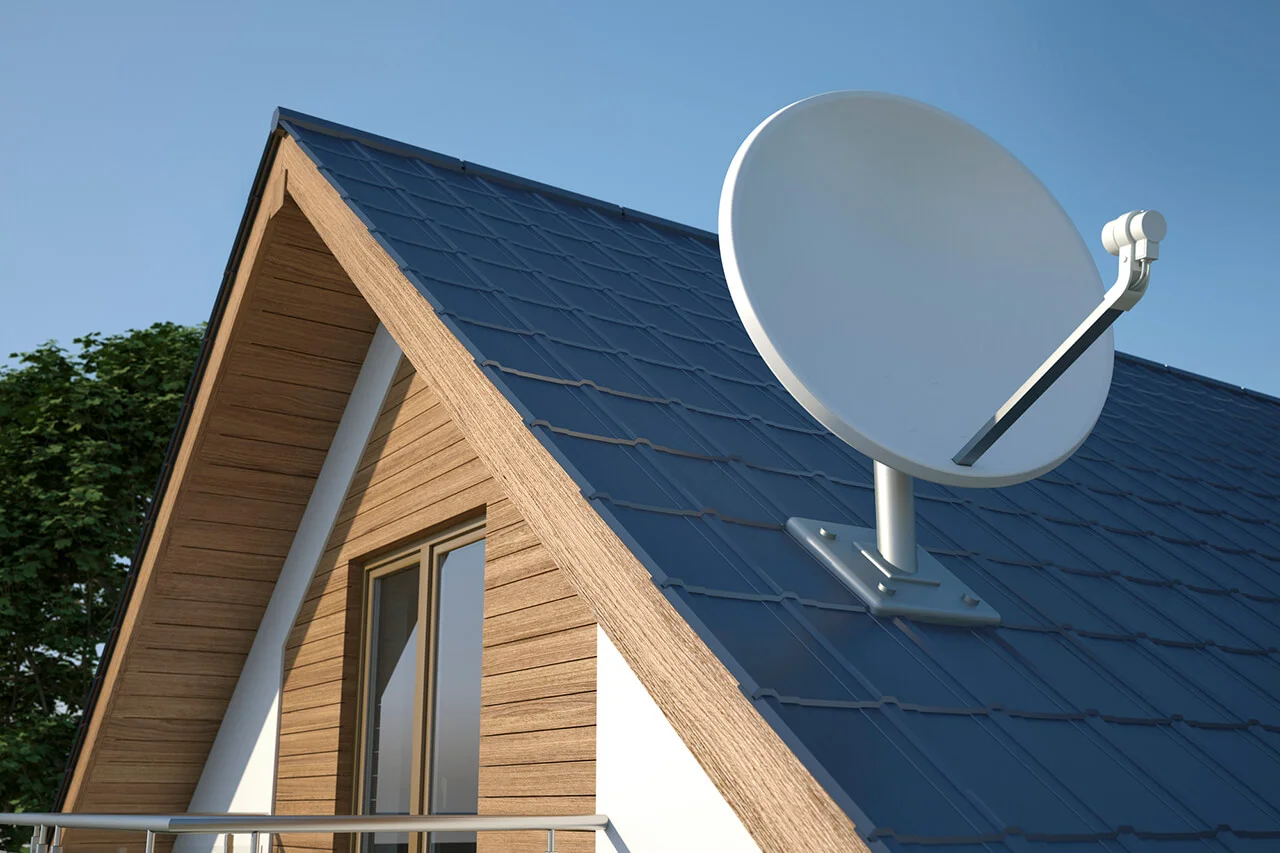
The platform is delivered via a hybrid of satellite and internet infrastructure, using NigComSat-1R, with a companion mobile app that extends access to smartphones and tablets. At least 57 channels are already live; the full lineup is expected to exceed 100 as more broadcasters come on board.
Content includes dedicated indigenous language channels in Yoruba, Hausa, Igbo, Tiv, Ijaw, Edo, Fulfulde, Ibibio, Efik, and Nupe, all in HD. That breadth of local-language content is an area where DStv’s mid-tier and lower packages have historically been thin.
For households that need new receiving equipment, open-standard DVB-S2 decoders are available in the market from ₦15,000, with the government considering subsidies and voucher programmes for low-income users.
Where the Competition Gets Real
DStv and GOtv still hold advantages that FreeTV cannot immediately replicate: premium international sports rights, established on-demand libraries, and the DStv Stream product for mobile viewers. Those content moats are expensive to maintain, which is precisely why MultiChoice keeps raising prices.
But FreeTV does not need to match DStv’s content depth to hurt it. It only needs to satisfy enough of a household’s daily viewing needs to make the decision to cancel or downgrade easier. For the millions of Nigerian households that already dropped their subscriptions over cost, FreeTV offers a credible reason not to come back.