

Moniepoint Inc. has announced a ₦3 billion investment to establish technology Innovation Hubs at three of Nigeria’s premier federal universities over the next three years. The hubs will be built at Obafemi Awolowo University in Ile-Ife, the University of Nigeria in Nsukka, and Ahmadu Bello University in Zaria. These institutions were deliberately chosen to span the South-West, South-East, and North, decentralising access to practical tech training beyond Lagos and Abuja.
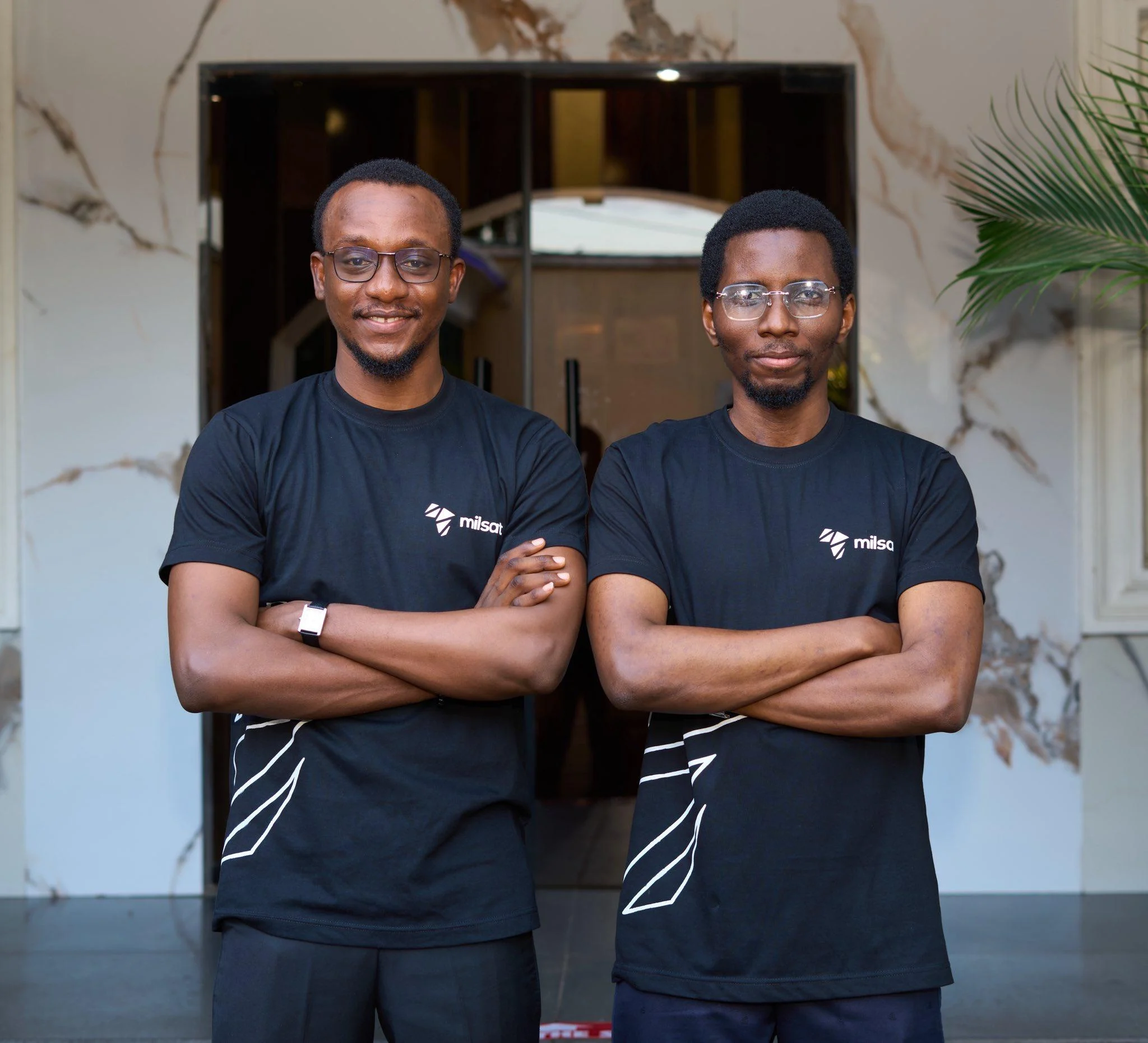
The announcement was made on Monday at OAU’s Oduduwa Hall, with company co-founder and Group CEO Tosin Eniolorunda describing it as an act of institutional gratitude. “Before we built anything, universities like UNILAG and OAU built people like Felix and me,” Eniolorunda said, referring to co-founder and CTO Felix Ike. “This initiative is about paying that trust forward.”
What the Hubs Will Offer
The hubs are being designed as permanent, hands-on learning centres rather than conventional lecture facilities. Students will train in software engineering, data science, AI, robotics, product development, design, and entrepreneurship through structured, cohort-based programmes. Moniepoint says the initiative will be open to students across all faculties, not just engineering or computer science departments.
Beyond physical infrastructure, the company’s engineering, product, and business teams will engage directly with each hub. Moniepoint will contribute through curriculum development, mentorship, internship pathways, and expert-led learning experiences. The goal is to move students from foundational curiosity to career readiness, with direct connections to the company’s network of engineers and industry leaders.
The ₦3 billion initiative builds on earlier investments Moniepoint has already made in education, including funding a ₦100 million Computer-Aided Design and Manufacturing laboratory for OAU’s Mechanical Engineering Department, and maintaining scholarship programmes across seven Nigerian campuses.
The Context Behind the Commitment
The announcement carries significant weight given what preceded it. In early May, Eniolorunda made remarks at The Platform Nigeria that ignited a fierce national debate. He revealed that Moniepoint had 500 open roles it could not fill, and argued that many Nigerian graduates lacked the global skills required. These comments, which were widely interpreted as calling Nigerian youth “unemployable”, provoked widespread backlash on social media.
In a follow-up statement released days after the controversy, Eniolorunda said his comments were specifically directed at the shortage of senior-level technical professionals capable of building and managing globally competitive technology companies, not Nigerians generally. He described Nigerians as some of the hardest-working people in the world, appealed directly to technical talent to apply, and noted that Moniepoint currently employs over 3,500 workers, more than 90 percent of them Nigerian.
The hub investment is being read, in part, as a structural response to that controversy. Rather than waiting for the talent pipeline to improve on its own, Moniepoint is attempting to build it from inside the university system.
Geographic and Strategic Significance
The choice of OAU, UNN, and ABU carries deliberate symbolism. The three institutions were selected to ensure geographic spread and equitable access to opportunity across Nigeria’s diverse regions. Eniolorunda himself is an OAU alumnus, and the launch ceremony was held on the same campus where part of his own formation took place.
For a company that processes over one billion transactions monthly and serves more than 10 million customers across Nigeria, securing a stable pipeline of locally trained engineers is not merely a corporate social responsibility exercise. It is a business continuity strategy, and the ₦3 billion price tag signals that Moniepoint is treating it as such.