
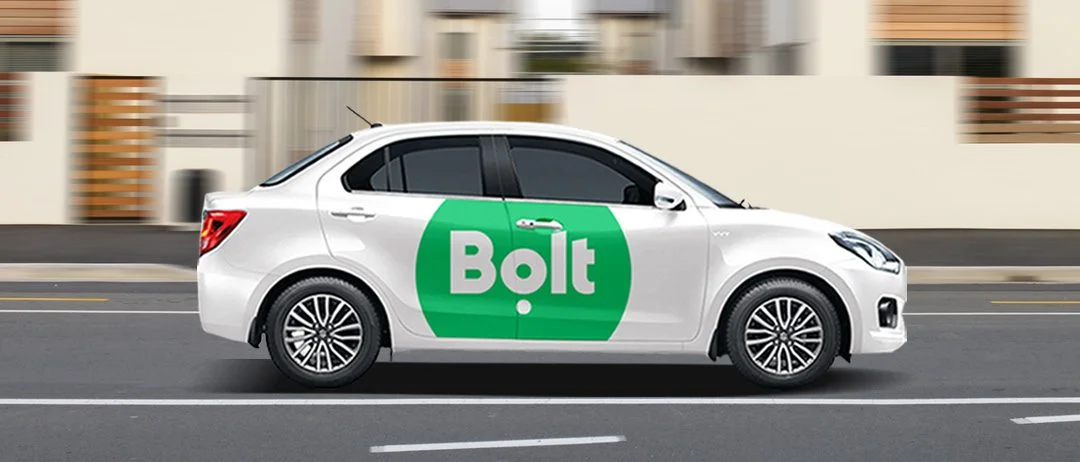
Ride-hailing company Bolt has kicked off a Children’s Day campaign in Nigeria that channels a portion of its ride commissions toward supporting vulnerable children and families across the country.
The campaign, called “Rides That Care,” runs from May 27 to May 31, 2026, and is being executed in partnership with SOS Children’s Villages Nigeria. For every eligible ride completed on the platform during that period, Bolt will donate a share of its own commission to SOS Children’s Villages Nigeria, funding programmes focused on child care, family strengthening, youth support, and community development.
No Extra Cost to Riders or Drivers
The design of the campaign is deliberate. Riders are not asked to top up fares or make separate contributions, and the donations come out of Bolt’s commission rather than driver earnings, a distinction that matters in a market where drivers have consistently pushed back against deductions amid rising fuel costs and operational pressures.
Users simply take rides as they normally would, and the impact follows automatically.
What Bolt Says
Teddy Appah-Dankyi, Bolt’s Senior General Manager for West Africa, said the campaign reflects how everyday actions can add up to something meaningful at scale.
“Through the Rides That Care campaign, we wanted to create a simple way for everyday movement to contribute to something meaningful,” he said. “We believe even small everyday actions, when multiplied across a community, can make a real difference in supporting vulnerable children and families.”
Bolt said the initiative also fits into its broader strategy of using its platform to generate social value beyond transportation, positioning the company as a stakeholder in community development rather than just a mobility service.
The Partner
SOS Children’s Villages Nigeria is part of a global network operating in 136 countries, focused on providing alternative care for children who cannot live with their birth parents, alongside family strengthening and youth empowerment programmes.
The partnership channels Bolt’s campaign funds into existing on-the-ground infrastructure (programmes already running in Nigerian communities) rather than building new ones from scratch.
Wider Context
This year’s Children’s Day in Nigeria landed against a sobering national backdrop. UNICEF data shows that 31 percent of Nigerian children between ages 5 and 17 are engaged in child labour, and 81 percent of children in the country’s poorest households face multidimensional poverty. For corporate players with mass-market reach, campaigns that embed giving into routine consumer behaviour represent one approach to addressing that gap without requiring behaviour change from users.
Whether the donations prove significant enough to move the needle for SOS Children’s Villages Nigeria’s programmes remains to be seen, but the model (where social giving travels alongside everyday transactions) is one that other Nigerian platforms may find worth replicating.