

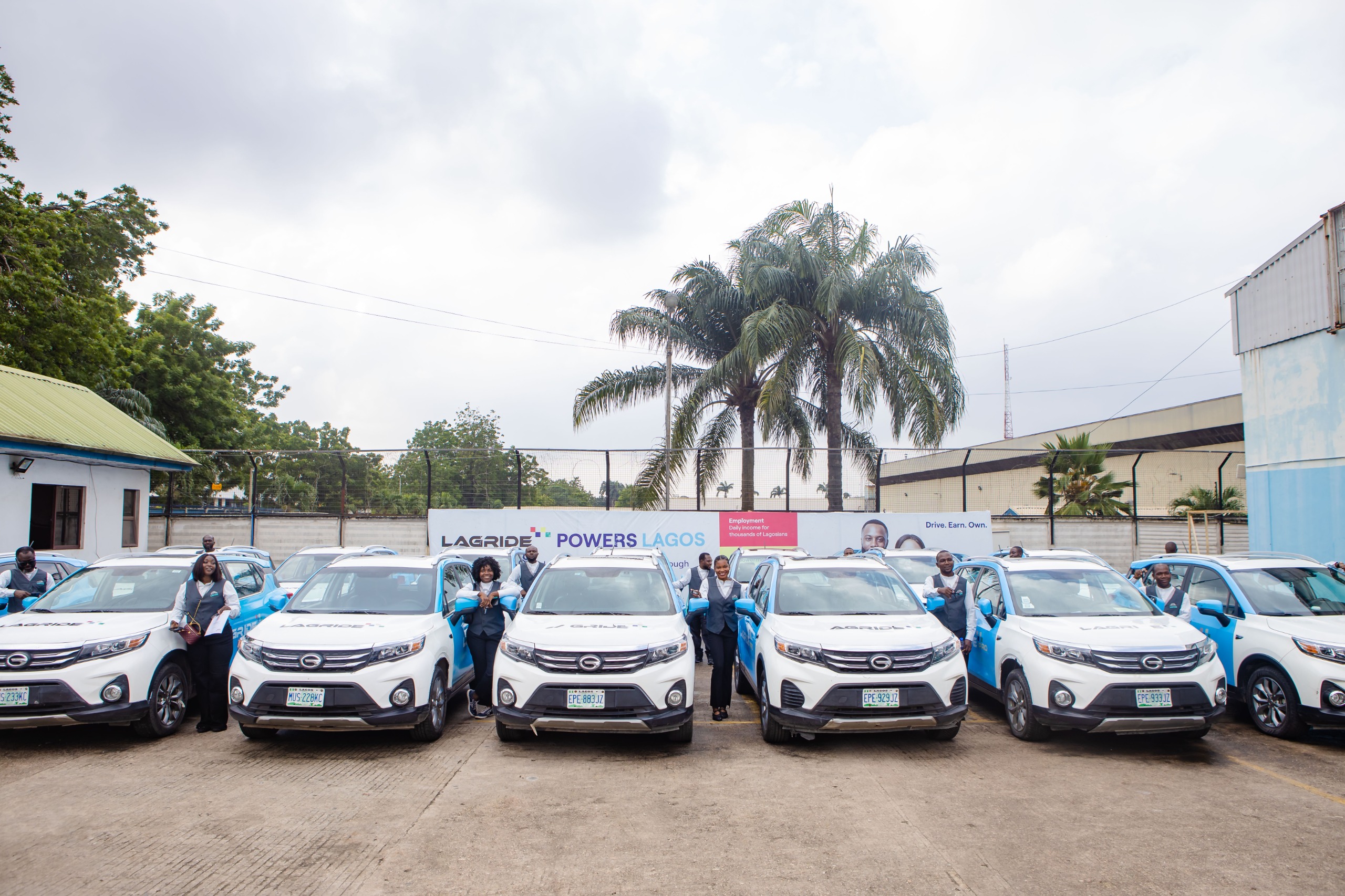
LagRide has begun a phased rollout of 400 new vehicles across Lagos and is targeting more than 1,000 additional drivers on its platform before the year ends, a deliberate build-up of capacity ahead of the busiest stretch on the city’s calendar.
The first wave went out at the LagRide 2026 Driver Mobilisation and Fleet Flag-Off at the company’s Alausa centre, where more than 100 Captains, the company’s term for its drivers, drove out in newly deployed vehicles. The remaining vehicles will follow in phases through the rest of the year.
The Numbers That Explain the Timing
The Ember months carry a specific weight in Lagos, and the scale of what’s coming is easy to underestimate. The 2025 Detty December season drew approximately 3.6 million participants across a 55-day period from mid-November into January, with total consumer spending reaching ₦396.54 billion. Diaspora visitors drove 55% of that spending, and for the first time, travellers starting their journey in the United States overtook the UK as the largest source of international arrivals.
That influx lands hard on the city’s infrastructure. Lagos operated at roughly 238% of its designed human capacity during the period, producing congestion and real strain on transport systems. Daily foot traffic at Murtala Muhammed Airport Terminal 2 climbed to about 15,000 people a day, and the state’s tourism ministry recorded a tenfold jump in tourist arrivals, with over 45,000 visitors a week at Badagry beaches alone.
Against numbers like that, ride availability stops being a convenience issue and becomes an infrastructure one. LagRide expects to facilitate more than 200,000 rides across its Ember Months push, and the logic behind the fleet expansion is direct: in ride-hailing, availability is the product. A platform without a car nearby during peak demand doesn’t just lose that ride, it loses the customer to whichever app had a driver two minutes away.
Executive Director Mildred Ekanem framed the deployment as building from an existing base rather than starting fresh.
“We already have over 2,000 LagRide vehicles on the road across Lagos, and we are expanding from that position of strength,” she said,
adding that the focus through the period is wider coverage and shorter waiting times.

Where the Cars Are Going
Rather than concentrating new vehicles where it already runs densely, LagRide is pushing further into FESTAC, Ikorodu, and Ajah, while adding Captains across existing locations. That spread matters in a city where the practical difference between two ride-hailing apps often comes down to whether either one has a car near you at all.
It also lines up with where the December money actually concentrates. High-value activity during the 2025 season clustered heavily in Victoria Island, Ikoyi, and Lekki, which means the demand pattern isn’t evenly spread across Lagos. It spikes in specific corridors, and moving people between where they stay and where they spend is precisely the trip type a ride-hailing fleet lives on.
The company also plans a run of customer promotions from September through December, discounted rides, rewards, and offers built around major events, escalating into a dedicated Detty December campaign as the season peaks.
The Scale Behind the Push
This deployment sits inside a much larger buildout. LagRide is working toward putting thousands of vehicles on the road under a $100 million financing arrangement with UBA and the Lagos State Government, which puts 400 vehicles in context as one phase of a sustained expansion rather than a seasonal one-off.
On the operational side, the company draws on CIG Group and GAC Motor’s existing service infrastructure, with maintenance centres across Lagos and an express service centre at Alausa dedicated specifically to LagRide vehicles, aimed at cutting the downtime that takes cars off the road. Its safety stack includes vehicle insurance, dashboard cameras, and panic buttons built into the platform, alongside a 24-hour customer service line that also handles the mundane but common problem of items left behind in cars.
What the Drivers Get
The expansion also widens participation in LagRide’s Drive-to-Own programme, which gives Captains a structured path toward eventually owning the vehicle they drive. Under the current structure, a Captain completes an initial 90-day rental period before qualifying to transition toward ownership, subject to meeting performance conditions.
The programme has been running in phases through 2026. At a graduation ceremony at the Alausa hub in June, six Captains told BusinessDay the programme had marked a turning point for their income and long-term stability. Two of the newly inducted Captains at this month’s flag-off pointed in the same direction, with Deborah Adeyemi citing the flexibility to control her own working hours, and Mustapha Kayode Abdullahi naming eventual vehicle ownership as his direct goal.
What the Company Says It’s Building
Chief Diana Chen, Chairman of LagRide, tied the expansion to the city’s broader tourism ambitions.
“LagRide is the face of transportation and tourism in Lagos,” she said,
stating that transport capacity has to match the scale of a city receiving residents, visitors, and returning Nigerians at volume.
LagRide’s Director of Public Relations, Ifeanyi Abraham, put the emphasis on the Captains themselves, telling newly deployed drivers that the standard of service customers experience starts with them.
“Every time you pick up a customer, you are representing LagRide and you are representing Lagos,” he said.
Whether 400 vehicles and 1,000 additional Captains prove enough to meaningfully shift ride availability in a city that ran at more than double its designed capacity last December is the question the next four months will answer. Ember months are unforgiving that way. The demand arrives whether or not the cars do.