


Côte d’Ivoire has spent the last seven years building one of West Africa’s most successful tourism sectors. It welcomed 6.7 million visitors in 2025, generated over CFA1.1 trillion in revenue, and expanded hotel capacity to nearly 87,000 rooms. Tourism now contributes 8.7% of the country’s GDP, and the sector created more than 650,000 jobs between 2018 and 2025.
Those numbers came from a deliberate strategy called “Sublime Côte d’Ivoire,” which the government launched in 2018. The country is now entering a second phase and is making a calculated bet that artificial intelligence will determine whether it reaches its next set of targets.
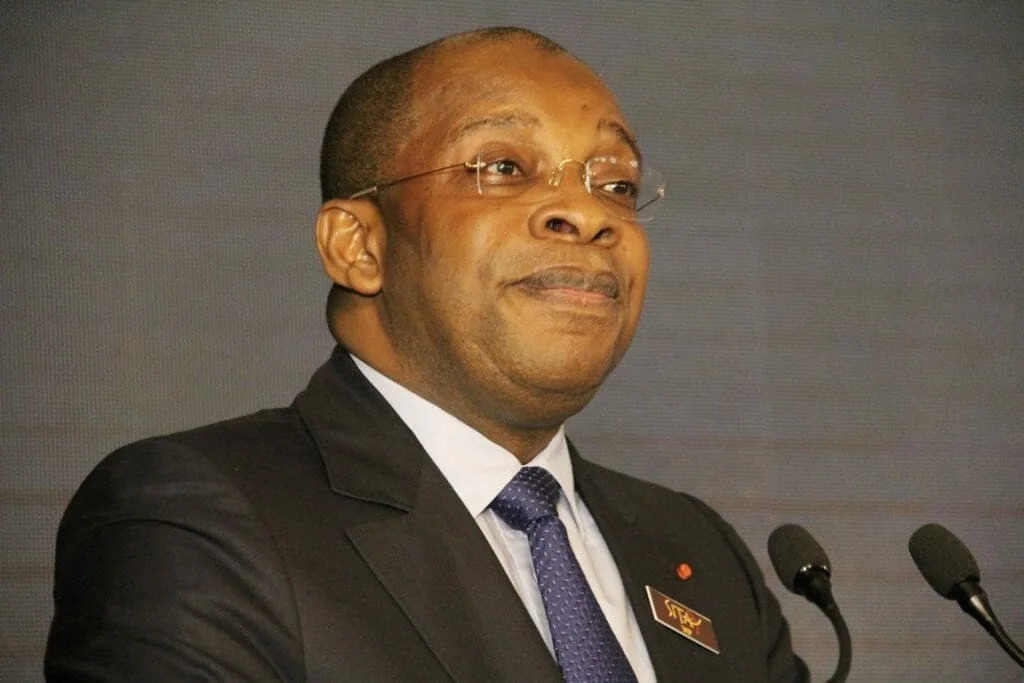
The government wants 10 million visitors annually by 2030 and over CFA1 trillion ($1.7 billion) in new tourism investment. Tourism and Leisure Minister Siandou Fofana reaffirmed the AI strategy on September 27, during World Tourism Day, which carried the theme “Digitalisation and Artificial Intelligence to Rethink Tourism“. The plan is to position Côte d’Ivoire as a “smart tourism destination.”
That phrase gets used loosely in policy documents. What makes Côte d’Ivoire’s approach worth examining is that the country already has the foundational pieces in place to make it real.
The AI Strategy Does Not Start From Scratch
Côte d’Ivoire published its National AI Strategy (SNIA 2030) in 2024, developed with World Bank support and led by the Ministry of Digital Transition and Digitalisation. The strategy rests on three pillars: investing in infrastructure and data, ensuring inclusion across all sectors and regions, and establishing governance to ensure ethical AI deployment.
The country has also moved on the talent side. It plans to establish a dedicated university for AI to address the digital skills shortage that constrains adoption across the economy. It has signed agreements with technology firms to modernise technical education in high-demand fields including data science, artificial intelligence, and cybersecurity. The AI sector could generate more than 50,000 direct and indirect jobs by 2030.
That matters for tourism because AI adoption in any sector depends on having people who understand the technology. The tourism ministry cannot build smart destination platforms if the country lacks engineers who can build and maintain them.
Digital Transformation in Tourism Has Been Ongoing Since 2025
The AI push did not begin with the World Tourism Day announcement. In October 2025, the Ministry of Tourism trained 120 operators from hotels, handicrafts, travel agencies, and leisure businesses on artificial intelligence, digitalisation, and digital marketing.
The training covered two days of intensive work. The first day focused on AI initiation and digitalisation of processes like reservations and payments. The second covered digital marketing for tourism, including social media, search visibility, and customer experience.
Christian Bohouman, the ministry’s Director of IT, Digitalisation and Startup Development, framed the urgency directly. “Digitalisation and artificial intelligence are no longer an option but a necessity,” he said.
The ministry has built institutional infrastructure alongside the training. It developed the Système d’Information Touristique et des Loisirs (SITD), an e-Tourism platform, and e-Administration services to simplify processes for tourism operators. The National Tourism Council has made digitalisation a central priority for 2030, alongside protecting national parks and diversifying tourism products.
The Tourism Sector’s Growth Numbers Explain the Ambition
The second phase of the Sublime Côte d’Ivoire strategy runs from 2026 to 2030. It aims to strengthen digital transformation, develop domestic tourism, diversify the tourism offering, and mobilise more private investment.
The government has also reformed its tourism development tax. The tax rate will rise from 1.5% to 2.5% starting in 2026, with 50% of the revenue going to the state and 50% to the Ministry of Tourism and Leisure. The goal is to give the sector stable resources to finance infrastructure, intensify inspections, and support the growth of tourism supply.
Those financial resources matter for the AI strategy. Building the platforms, training the operators, and maintaining the data systems all require sustained funding. A dedicated revenue stream gives the ministry the budget certainty that grant-funded projects rarely have.
What AI Will Actually Do for Tourists and Operators
The government’s plans for AI in tourism fall into several categories.
Understanding visitors better. AI can analyse data from bookings, surveys, and digital interactions to build detailed profiles of who visits Côte d’Ivoire, where they come from, what they spend on, and what they want. That information allows the government and businesses to target marketing more effectively and design experiences that match visitor preferences.
Personalising travel experiences. Instead of a generic itinerary, a visitor could receive recommendations tailored to their interests, budget, and travel style. The ministry wants AI to help personalise services and better distribute tourist flows across the country rather than concentrating them in Abidjan .
Promoting regional and cultural destinations. AI can improve the visibility of cultural heritage, handicrafts, gastronomy, and ecotourism sites that most visitors never discover. The system could surface relevant content to travellers based on their interests and location.
Improving access to information. Tourists currently rely on fragmented sources for information about destinations, transport, and services. AI-powered platforms can consolidate that information and answer questions in real time.
Managing visitor flows. Popular sites suffer from overcrowding during peak seasons while other destinations remain empty. AI can help predict demand, direct visitors to alternative sites, and manage capacity more efficiently.
The ministry is not ignoring small operators. Fofana said a hotel, restaurant, guide, artisan, or tourism operator, regardless of size or location, must be able to use digital tools to improve visibility, understand their customers, adapt their offering, and develop new markets.
That focus on small and medium enterprises matters because most tourism businesses in Côte d’Ivoire operate at small scale. Building AI tools that serve them requires different design choices than building tools for large hotel chains. The training programmes for 120 operators from the sector show the ministry understands this.
The Human Dimension Remains Central
Fofana has been explicit that AI should complement rather than replace the human element of tourism. Tourism is a service industry built on personal interactions. A traveller’s experience of a country depends on the people they meet, the stories they hear, and the hospitality they receive.
AI can handle logistics, personalisation, and marketing. It cannot replicate the warmth of a host, the knowledge of a local guide, or the authenticity of a cultural exchange. The government’s approach acknowledges this boundary.
The training programmes reflect the same philosophy. Christian Bohouman put it plainly: “Digital is not just a matter of technology. It is above all a question of mindset, innovation, and collaboration”.
Côte d’Ivoire Is Competing in a Regional Race for Tourism
Côte d’Ivoire’s tourism ambitions sit within a competitive regional landscape. Morocco, South Africa, Kenya, and Rwanda all attract more international visitors and generate more tourism revenue. Morocco has invested heavily in AI for its cultural and tourism sectors. Rwanda has positioned itself as a premium destination built around technology and sustainability.
The Sublime Côte d’Ivoire strategy explicitly targets a spot among the top five African tourism destinations by 2030. Reaching that goal requires more than building hotels and training guides. It requires competing on the digital experience that modern travellers expect. Visitors from Europe, North America, and Asia book trips online, research destinations through social media, and expect real-time information on their phones. A country that cannot serve those expectations loses bookings to countries that can.
Across Africa, digital platforms are already changing how travellers plan and experience trips. A South African entrepreneur built a platform that solves road trip planning problems using data and AI. The rise of these tools makes trip research easier for visitors and creates new opportunities for tourism providers who adopt them early.
The Gap Between Strategy and Execution
Côte d’Ivoire’s tourism strategy has clear targets and a track record of delivering on the first phase. The country grew visitor numbers, increased hotel capacity, and created hundreds of thousands of jobs between 2018 and 2025. Those results give the government credibility.
Building AI platforms requires technical talent that Côte d’Ivoire is still developing. Integrating data across government agencies, hotels, transport providers, and attractions requires coordination that no single ministry controls. Training thousands of small operators to use digital tools requires sustained effort over years.
The country has shown it can execute on infrastructure and policy. It has trained operators, built platforms, and reformed its tax system to fund the sector. The AI phase will test whether it can build the data systems and technical capacity to make those investments pay off.
The African AI market is growing from $4.5 billion in 2025 toward $16.5 billion by 2030. Tourism will be one of the sectors competing for that growth. Côte d’Ivoire has positioned itself to capture a share. The question is whether execution matches ambition.
A Model for Other African Tourism Destinations
Côte d’Ivoire’s approach offers lessons for other African countries building tourism strategies. It paired a long-term vision with a specific funding mechanism. It trained operators before deploying technology. It connected tourism AI to a larger national AI strategy with talent development, governance, and infrastructure investment.
The country also avoided a common trap. It did not treat AI as a standalone project run by a technology ministry. It embedded AI within the tourism ministry’s strategy, training, and platform development. The tourism ministry owns the outcomes, which means it has a stake in making the technology work.
For countries that want to attract visitors and compete in the global tourism market, the digital experience is no longer a bonus feature. It is part of the product. Travellers choose destinations based on how easy they are to research, how seamless their booking process is, and how well the destination responds to their needs. Côte d’Ivoire is building the infrastructure to compete on those terms.
The second phase of Sublime Côte d’Ivoire begins with a clear ambition, a funding stream, and a digital strategy that connects to national AI priorities. Whether it produces a smart tourism destination that visitors actually experience will depend on execution, not policy documents.