
Techsoma Africa
Latest FinTech Startups AI Tech Global Apps Opinions African
Policy & Regulations Artificial Intelligence Reports About Contact Advertise FinTech & Digital Money African Startup Ecosystem Artificial Intelligence Technology Global News Apps, Gadgets, Tools & Softwares Opinions & Perspectives African Telecommunications
Advertisement Advertise on Techsoma
Techsoma Africa
No Result
View All Result
Techsoma Africa
No Result
View All Result
Techsoma Africa
No Result
View All Result
Home Reports

Isaac David Satlat’s Murder Puts Uber and Bolt Under Pressure for Safety Overhaul

by Kingsley Okeke
February 16, 2026
in Reports
Reading Time: 5 mins read
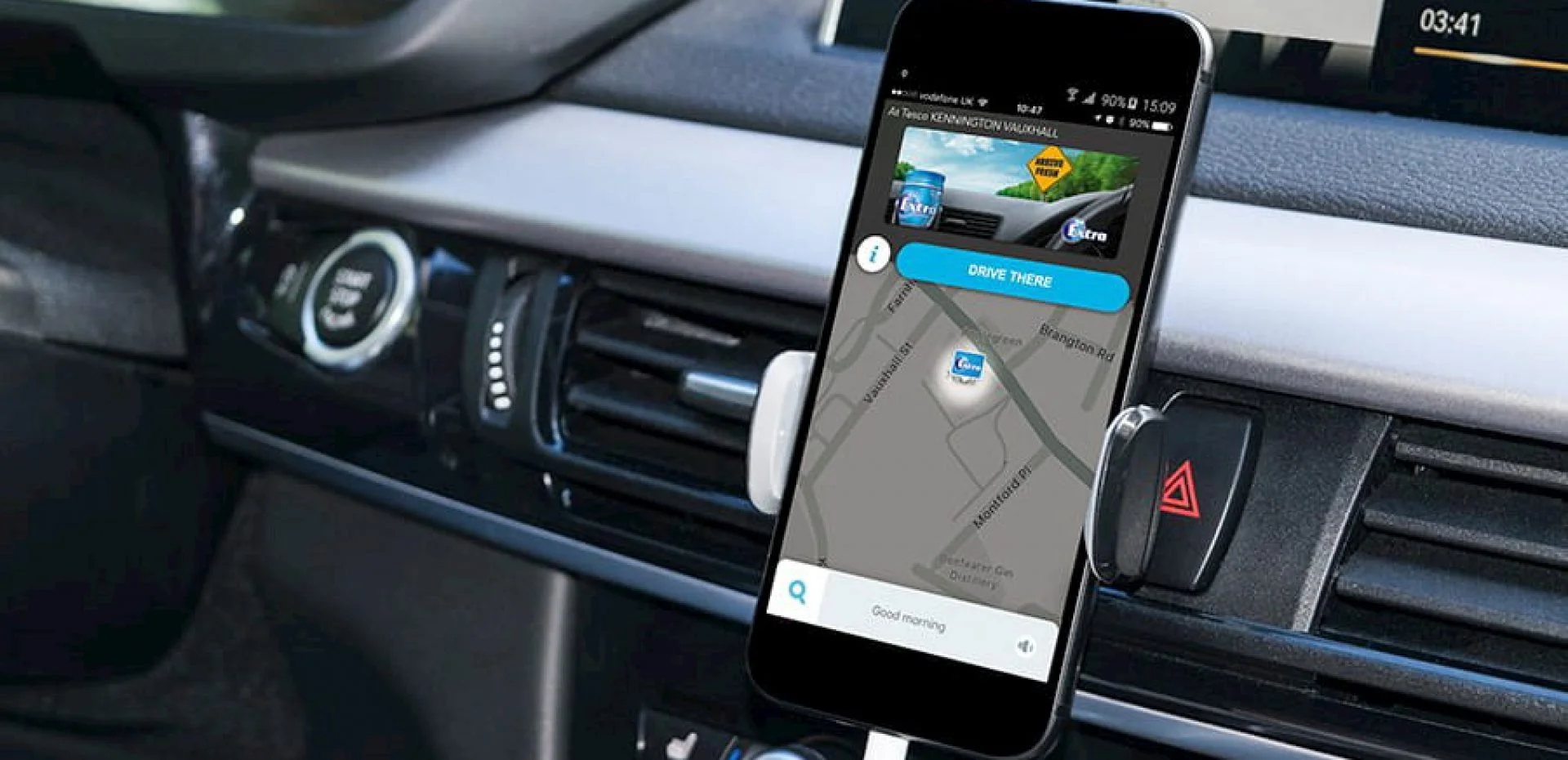
Ride hailing navigation. Photo WPP

Isaac David Satlat thought he was taking one final trip before calling it a night. The 22-year-old e-hailing driver picked up three passengers in Pretoria West on February 11, a short ride that would bring him close to home in the city’s CBD. What his dashcam recorded instead was his own murder and a woman searching through his belongings while a man in the back seat strangled him until his body went limp.

Isaac David Satlat thought he was taking one final trip before calling it a night. The 22-year-old e-hailing driver picked up three passengers in Pretoria West on February 11, a short ride that would bring him close to home in the city's CBD. What his dashcam recorded instead was his own murder and a woman searching through his belongings while a man in the back seat strangled him until his body went limp.
Isaac David Satlat

The disturbing footage, which spread rapidly across social media, shows the brutal efficiency of the attack. Satlat was dragged to the back seat, a third accomplice took the wheel, and they drove off with both victim and vehicle. Hours later, authorities discovered his body and the hijacked car dumped in a nearby township. Three suspects now face murder and car hijacking charges, but for South Africa’s thousands of e-hailing drivers, the damage extends far beyond this single tragedy.

A Deadly Pattern Emerges

Satlat’s death has reignited urgent conversations about driver safety in an industry that has exploded in popularity but remains dangerously under-regulated. The attack fits a grim pattern that has emerged across South Africa’s major cities, where e-hailing drivers have become prime targets for criminals who pose as ordinary passengers before launching violent robberies and hijackings.

In Eldorado Park, another driver shot and killed a teenager during an attempted hijacking in late January, highlighting the life-or-death situations these workers increasingly face. Alexandra, which ranks third nationally for carjacking incidents, saw a 53 percent increase in such crimes between July and September of last year. For e-hailing drivers working in these hotspots, every pickup carries a potentially fatal risk.

Advertisement Advertise on Techsoma

The tactics have become disturbingly predictable. Criminals often try to lower a driver’s guard by making small talk about the weather or air conditioning before striking. They request rides from high-crime areas, frequently operate in groups of two or more, and target drivers during vulnerable moments: late at night, in isolated locations, or on what victims believe will be their final trip of the day.

Beyond Passenger Threats

The dangers don’t stop with hijackers posing as passengers. E-hailing drivers in Johannesburg have reported systematic attacks by minibus taxi associations, who view them as unwelcome competition. Drivers describe being pulled from their vehicles by armed men, assaulted with sjamboks, and having their day’s earnings forcibly taken. This violence, fueled by disputes over passengers and the absence of formal regulation, has created a climate of fear that extends across the industry.

Calls for Systemic Change

The murder of Satlat has intensified pressure on e-hailing companies and government authorities to implement meaningful safety reforms. Platforms like Uber and Bolt face demands for enhanced protocols, including real-time tracking with AI-powered alerts for suspicious behaviour, comprehensive background checks for riders, and easily accessible panic buttons. Many drivers have begun sharing survival strategies online, such as carefully checking passenger ratings, avoiding pickups with multiple male passengers, and installing their own recording devices.

Law enforcement has responded with increased patrols in high-risk areas and promises of intelligence-led operations, but drivers remain sceptical. The Johannesburg Metro Police Department acknowledges that it has no dedicated officers focused solely on e-hailing violence, treating it instead as part of broader public transport safety efforts. For those behind the wheel, this diffused approach offers little comfort.

The Human Cost of Flexible Work

E-hailing services have provided employment opportunities for thousands of South Africans, including many young immigrants like Satlat, who balanced driving with studies and other pursuits. The flexibility attracts those seeking to supplement incomes or support families, but that same flexibility leaves workers isolated and vulnerable. Unlike traditional taxi services with established security networks, e-hailing drivers work alone, making split-second decisions about which trips to accept based on limited passenger information.

As Satlat’s family struggles to repatriate his body to Nigeria and the Nigerians in Diaspora Commission demands justice, the broader question remains unanswered: how many more drivers must die before substantive reforms protect those keeping South Africa’s gig economy moving? The dashcam that captured his final moments may help convict his killers, but it won’t prevent the next attack without systemic change in how the industry operates and how drivers are protected.


Related Techsoma coverage

  • Nigeria Opens Investigation Into Temu Over Data Privacy Violations
  • Anthropic and Rwanda Sign Landmark Deal to Fight Malaria and Cervical Cancer With AI
  • Africa’s Tech Sector Raises $4.1 Billion in 2025, Marking Strongest Year Since 2022
Kingsley Okeke

Kingsley Okeke

I'm a skilled content writer, anatomist, and researcher with a strong academic background in human anatomy. I hold a degree...

Recommended For You

Nigeria Launches Services.gov.ng
Reports

Nigeria Launches Services.gov.ng, a Single Digital Gateway for Government Services

by Kingsley Okeke
August 18, 2026

The Federal Government has gone live with a centralised online platform designed to let Nigerians access public services from one place instead of navigating dozens of separate agency websites and...

Read moreDetails
Cell C and Canva partnership

Cell C and Canva Partner to Expand Digital Design Access for South Africans

August 12, 2026
A spaza shop in south africa

South Africa’s Spaza Shops Turn to Tech After Anti-Immigrant Shop Closures

July 30, 2026

SeamlessHR Rebrands as Seamless Technologies to Push Into AI and Fintech

July 15, 2026

AI Rules Are Spreading Fast. Now Governments Must Build the Guardrails

July 14, 2026
Next Post
Dashboard showing $0.00 for X payouts Nigeria after suspension

X Payouts Nigeria: Why 80% of Creators Got Suspended in 2026

Personal brand in tech

How to build a personal brand in Tech that attracts better opportunities

Please login to join discussion

Browse by Category

  • African Startup Ecosystem
  • African Telecommunications
  • Apps, Gadgets, Tools & Softwares
  • Artificial Intelligence
  • Business & Markets
  • Creator Economy
  • Cybersecurity
  • Digital Work-Life Series
  • E-Commerce
  • Education
  • Event Radar Africa
  • Exclusive Interviews
  • Explainers
  • Features/Spotlights
  • FinTech & Digital Money
  • Funding news
  • GenZ Desk!
  • Global News
  • Healthtech
  • Logistics & Mobility Tech
  • Media & Entertainment
  • News
  • Opinions & Perspectives
  • Opportunities, Careers & Learning
  • Partner
  • Policy & Regulations
  • Reports
  • Reviews
  • Tech Insights for Creators
  • Technology
  • Thought Leadership
  • Uncategorized
  • About Us
  • Advertise on Techsoma
  • Contact
  • Corrections Policy
  • Editorial Standards
  • Ownership and Funding
  • Privacy Policy
  • Publish Your Articles
  • Techsoma Africa
  • Terms of Service

Copyright 2026 Techsoma Africa. All rights reserved.

Welcome Back!

Login to your account below

Forgotten Password?

Retrieve your password

Please enter your username or email address to reset your password.

Log In
Advertisement Advertise on Techsoma
Techsoma Africa

© 2026 Techsoma Africa Media.

Company

Policy AI Reports About Contact Advertise

Legal

Terms Privacy RSS

Latest

Bridging the Gap: How Industrialisation Can Unlock Nigeria’s Technological Potential Nigeria possesses a vibrant and rapidly growing technology sector. However, the nation's true technological potential remains constrained by... MTN MoMo Equips 1,225 South Sudanese Entrepreneurs With Digital Finance Skills The digital economy in South Sudan has achieved a significant milestone as MTN MoMo, in strategic partnership with... Contact Marketing Services Limited(CMSL): The Woman Who Stopped Buying Your Brand A few weeks ago, a Nigerian entrepreneur convened a meeting to review his company's sales and marketing activities...
Techsoma Network Techsoma Network Techsoma Africa Techsoma Middle East Techsoma Canada
Transparency About Editorial Standards Corrections Ownership & Funding Privacy Terms Contact
No Result
View All Result
  • About Us
  • Advertise on Techsoma
  • Contact
  • Corrections Policy
  • Editorial Standards
  • Ownership and Funding
  • Privacy Policy
  • Publish Your Articles
  • Techsoma Africa
  • Terms of Service

Copyright 2026 Techsoma Africa. All rights reserved.