
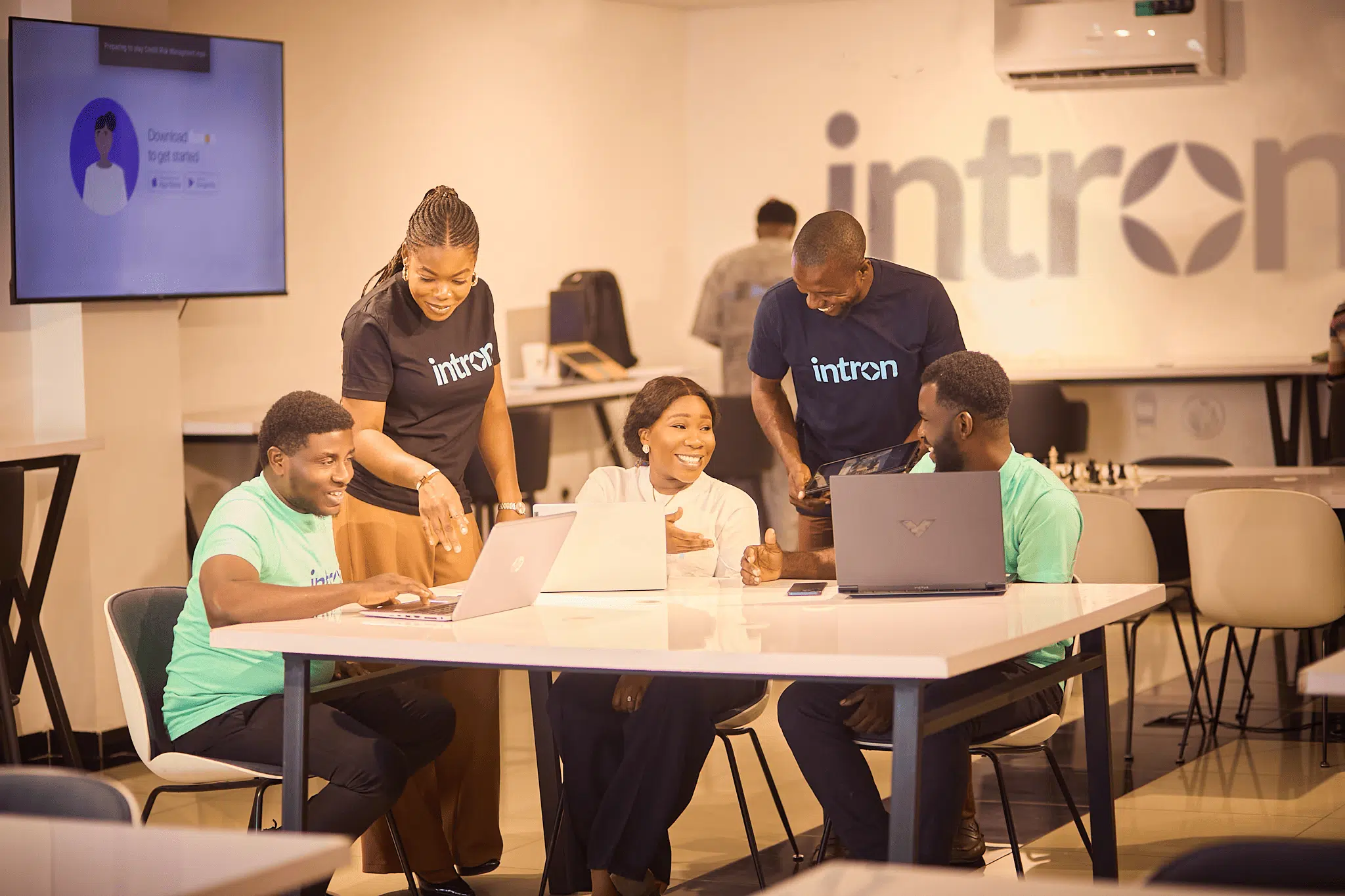
Lagos-based voice AI startup Intron has launched Sahara v2.5, a major upgrade to its African-focused speech recognition platform that tackles one of the biggest blind spots in voice technology: how people on the continent actually talk. The update was unveiled at the Deep Learning Indaba in Lagos, one of Africa’s largest AI gatherings, and centres on teaching AI systems to understand code-switching, the everyday practice of blending two or more languages within a single sentence or conversation.
Solving For How Africans Actually Speak
Code-switching is a defining feature of multilingual life across Africa. A doctor might explain a diagnosis in English before reassuring a patient in Swahili. A bank customer could discuss a loan in Yoruba and finish the sentence in English or Nigerian Pidgin. Courtrooms, clinics, and call centres see this constantly, yet most voice AI systems, trained largely on single-language datasets, struggle to follow the switch. The result is dropped words, mangled meaning, and users forced to repeat themselves in a single “clean” language just to be understood.
Sahara v2.5 is built to close that gap. The release introduces bilingual language-mixing recognition across 12 African languages, including Zulu, Hausa, Swahili, and Luganda, allowing the model to track conversations as they move naturally between local languages and English or French.
A Trilingual First and Broader Language Coverage
Beyond bilingual code-switching, Intron says it has built what it describes as the first African trilingual speech recognition model, capable of handling Kinyarwanda, English, and French within the same conversation. The company has filed patent applications in the United States for the underlying technology.
On raw language coverage, Sahara v2.5 adds seven new languages, including Nupe, Kanuri, Nigerian Fulfulde, Tigrinya, Kikuyu, Dholuo, and Somali, bringing its core recognition lineup to 31 languages. Across its wider platform, spanning speech recognition, text-to-speech, and training data, Intron advertises support extending to 63 languages in total, alongside more than 500 African accents. The company has not published a single compatibility chart showing exactly which languages are covered for recognition versus voice generation, so the practical language support enterprises get may vary depending on the specific feature they need.
Backing Claims With Benchmarks
Intron says its own testing shows Sahara outperforming global systems including Gemini, ElevenLabs, and Meta across all 12 code-switching languages evaluated, citing a lower average word error rate compared to competing models. A separate assessment conducted through Gooey.ai for the Gates Foundation and CLEAR Global reportedly found Sahara ahead on five of seven Nigerian languages tested. These figures come from Intron’s own published benchmarks rather than independent third-party verification, and testing methodology can meaningfully affect results when a company evaluates its own product against rivals.
Growth Since Founding
Alongside the launch, Intron published its 2026 Africa Voice AI Report, arguing that research capacity and implementation expertise matter as much as raw hours of audio data when building reliable voice AI for the continent. Since raising $1.6 million in pre-seed funding in 2024, the company has grown its training data to more than 150,000 hours of African language audio from over 53,000 speakers, and now serves more than 40 enterprise customers across six African countries.