

Nigeria’s electoral body says its voter accreditation technology is now harder to tamper with, and it is preparing to bring artificial intelligence into election management. INEC chairman Joash Amupitan outlined both plans as the commission steps up preparations for the 2027 general elections.
Tighter Safeguards on BVAS
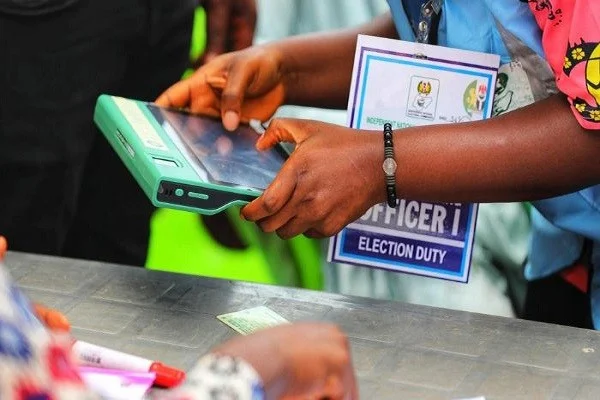
Amupitan said INEC has introduced technical upgrades to the Bimodal Voter Accreditation System (BVAS) to stop result manipulation. Under the new setup, presiding officers enter each party’s score directly into the device. The BVAS then runs its own checks to make sure the total votes recorded do not exceed the number of accredited voters.
The chairman said the upgrades were tested in the Federal Capital Territory area council election and in constituency elections in Kano and Rivers States. According to him, results from those polls were uploaded to the INEC Result Viewing portal and were found to be correct. He also said the commission would review its regulations and guidelines for the 2027 cycle, and warned that there was no room for error or excuses.
Strong Numbers From Anambra
INEC has pointed to the Anambra governorship election as evidence that the system works. The commission deployed 6,879 BVAS devices there, and more than 99 per cent of polling unit results reached the portal on election day itself. Amupitan has said the technology has largely ended voter impersonation and multiple voting, and has ruled out any return to manual accreditation.
He has also been candid about the weak spot. Poor network coverage in parts of the country still slows result transmission, and he has said the device is only as dependable as the network it runs on. INEC says it is working with the telecom regulator and operators to close those gaps.
The AI Plan Takes Shape
On artificial intelligence, INEC has set up a dedicated AI Unit. Amupitan said it will explore uses in data management and voter registration, and will help the commission respond to deepfakes and AI-generated disinformation.
He presented Nigeria’s position at the Global Conference on Responsible AI and Elections in Ottawa on September 10. There, he said INEC has developed an AI Roadmap for phased adoption, while an AI Governance Framework is going through internal approval. He added that INEC is looking at AI-powered services for citizens, including voter information tools, automated answers to common questions and support for registration. The commission is also working with Microsoft, Google and IFES to build its technical capacity.
Amupitan stressed that success will depend more on strong institutions and good governance than on how advanced the technology is. His stated goal is an AI-enabled election management body that keeps public trust and transparency intact.
What Comes Next
INEC plans a mock accreditation exercise in November to test BVAS and other equipment in the field. For the 2027 elections, it expects to deploy about 1.4 million ad-hoc staff across more than 176,000 polling units.
Questions remain over how far AI will be used on election day itself, and whether network coverage will improve enough to support the technology. Voters and observers will be watching the November test closely for answers.
A note on the timeline: the BVAS upgrade announcement dates from February, while the AI remarks are from September. The article blends them under one theme, so if you want it tied to a single recent event, I can narrow it to the Ottawa presentation. I paraphrased all statements, since your preference is no unverified quotes.